
This guide is for educational purposes only and isn’t medical advice. Medication choices and pricing vary by pharmacy, location, and insurance. If you have questions about what’s right for you, talk to a licensed clinician.
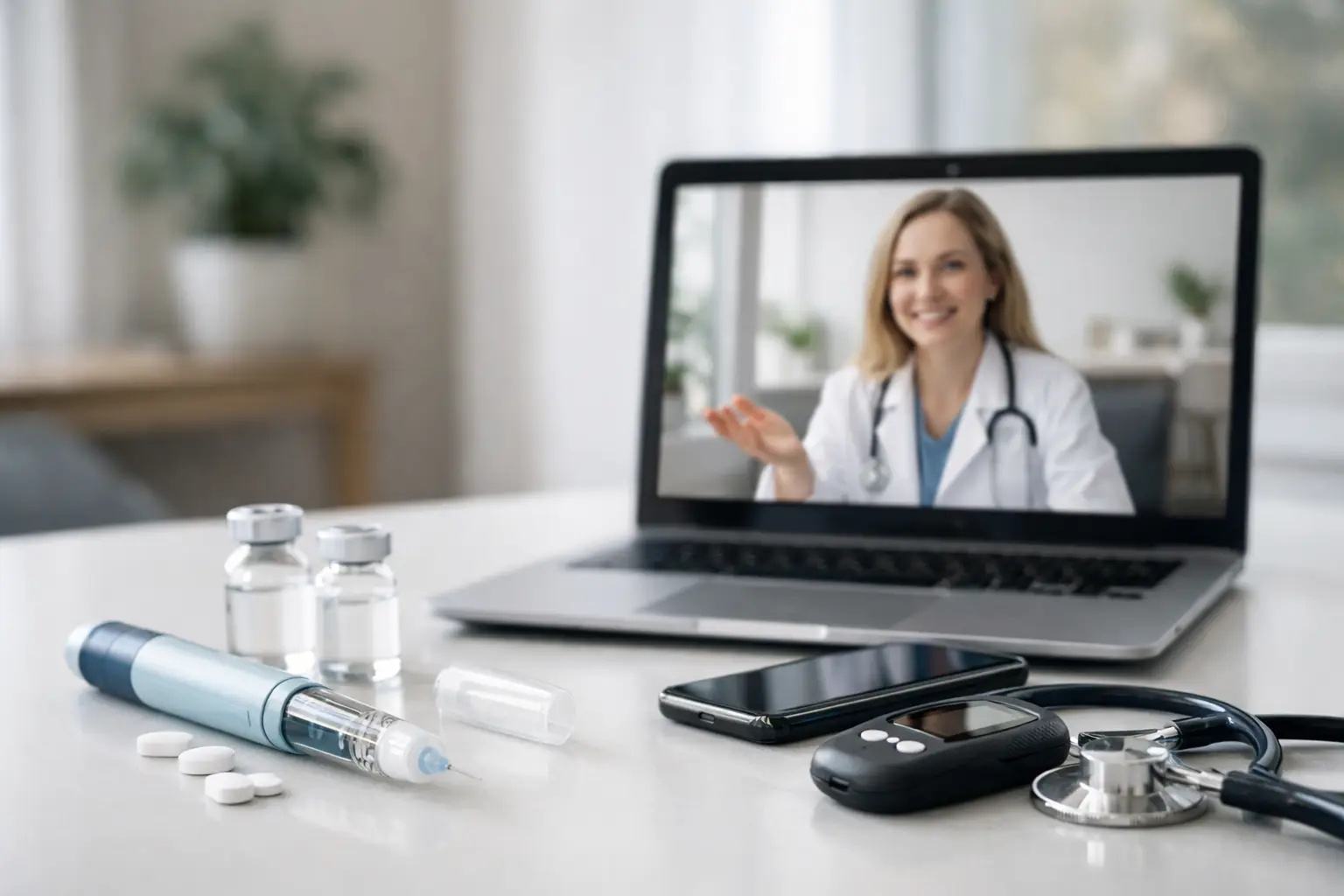
Getting started with glp1 access with telehealth usually feels less like a medical mystery and more like sorting through too many tabs at once. One site promises fast approval. Another talks about brand-name medications. A third focuses on compounded options. If you’re trying to lose weight and want a legitimate, convenient path to care, the real question is not just whether telehealth can help. It’s how to tell the difference between a helpful service and a frustrating detour.
For many adults, telehealth has made weight care easier to start and easier to stay on top of. It can reduce the time, travel, and scheduling barriers that often keep people from getting evaluated in the first place. But convenience does not remove the need for medical judgment, and it does not guarantee that every prescription, price, or program will be the right fit. The best approach is to understand how the process works before you sign up.
What glp1 access with telehealth actually means
In simple terms, glp1 access with telehealth means using a virtual healthcare platform to connect with a licensed clinician who can evaluate whether a GLP-1 medication is appropriate for you. These medications are commonly discussed in weight management because they can help reduce appetite, support blood sugar regulation, and improve long-term weight loss outcomes for some patients.
Telehealth does not mean skipping medical review. A legitimate service should collect a detailed health history, ask about your current medications, review relevant conditions, and explain the risks and benefits of treatment. Depending on the platform and your medical profile, you may also need lab work, follow-up check-ins, or ongoing monitoring before and during treatment.
That matters because GLP-1 medications are not casual wellness products. They are prescription treatments with real effects, real side effects, and real limits. Telehealth can make access simpler, but it should not make the process careless.
Why people are choosing telehealth for GLP-1 care
The biggest advantage is straightforward: it saves time. Instead of waiting weeks for an in-person appointment, you may be able to complete an online intake, upload your health information, and speak with a clinician from home. For people balancing work, parenting, travel, or inconsistent schedules, that shift alone can make treatment feel possible.
There is also a privacy benefit. Weight is personal, and many patients prefer discussing it in a setting that feels less exposed than a waiting room. Telehealth can reduce friction for people who have delayed care because they felt judged, dismissed, or rushed in traditional settings.
Cost transparency can be another plus, although this is where it depends. Some telehealth programs offer clear monthly pricing that bundles medical visits and support. Others advertise a low entry price and then separate the clinical fee, medication fee, shipping fee, and lab fee later. A platform that looks cheaper at first can become more expensive once all the pieces are added together.
How the process usually works
Most telehealth GLP-1 programs start with an intake form. You will usually answer questions about your weight history, medical conditions, medications, allergies, and treatment goals. Expect questions about diabetes, thyroid history, pancreatitis, gastrointestinal issues, and family history of certain endocrine conditions.
After that, a licensed clinician reviews your information. In some cases, this includes an asynchronous review, where you provide details online and receive a follow-up treatment decision through the platform. In other cases, you will have a live virtual visit. Neither format is automatically better. What matters is whether the review is thorough and whether you can get clear answers to your questions.
If treatment is appropriate, the clinician may prescribe a GLP-1 medication and create a plan for dose escalation, side effect management, and follow-up. Ongoing care is a key part of the process. These medications are often started at a lower dose and adjusted over time, which means you should know how to report symptoms, refill on schedule, and stay in contact with the care team.
What to look for in a telehealth provider
A trustworthy platform should be transparent about who is evaluating you, what medications are being offered, and what you are paying for. If those basics are hard to find, that is a problem.
Start with clinical oversight. You should be able to confirm that the service uses licensed healthcare professionals in your state. You should also be able to understand whether the medication being prescribed is a brand-name product, a generic when applicable, or a compounded formulation. That distinction affects cost, availability, and what kind of pharmacy fulfillment you receive.
Next, look at follow-up support. Weight care is rarely one appointment and done. A better program offers ongoing communication, refill guidance, side effect support, and a clear way to handle dose changes. Convenience matters, but support matters more once treatment begins.
Finally, pay attention to the fine print around fees and supply. Ask what is included in the monthly price, whether lab testing is required, how refills are handled, and what happens if a medication is out of stock. If a platform is vague on these points, expect frustration later.
The biggest trade-offs to understand
Telehealth can be an excellent option, but it is not identical to in-person care. Some patients need a hands-on evaluation, more extensive testing, or coordination with other specialists. If you have a complicated health history, significant digestive symptoms, or multiple chronic conditions, virtual care may still work, but it may need to be part of a broader treatment plan rather than the whole plan.
Medication access is another area where expectations need to stay realistic. Telehealth can connect you to care quickly, but it cannot solve every supply issue or insurance restriction. Brand-name GLP-1 medications may be expensive without coverage, and coverage rules can change. Prior authorization can add delays. Compounded options may be discussed by some providers, but those come with their own questions about sourcing, regulation, and appropriateness.
There is also the issue of oversimplified marketing. If a service makes GLP-1 treatment sound effortless, guaranteed, or right for everyone, that is a red flag. Good care should feel clear, not careless.
Costs, insurance, and what people often miss
For many patients, cost is the deciding factor. Telehealth pricing can vary a lot depending on whether the platform charges for the medical visit separately from the medication, whether insurance is accepted, and whether the prescription goes to a local pharmacy or is shipped through a partner pharmacy.
Insurance coverage for GLP-1 medications is inconsistent. Some plans cover them for diabetes but not weight loss. Others cover certain medications only after step therapy or prior authorization. Even with insurance, your out-of-pocket cost may still be high.
This is where a consumer-first mindset helps. Instead of asking only, “What is the monthly fee?” ask, “What is the total expected cost of care?” That includes consultations, medication, shipping, labs, refill follow-up, and any membership fees. A platform like Rx.com fits the needs of people who want healthcare choices to feel more transparent and manageable, especially when pricing and prescription access are part of the decision.
Safety questions worth asking before you start
Before enrolling, ask how eligibility is determined and what conditions might make GLP-1 treatment inappropriate. Ask who you contact if side effects show up after hours. Ask how often your treatment plan is reviewed and whether your clinician can coordinate with your primary care provider if needed.
You should also be told what common side effects to expect. Nausea, vomiting, constipation, diarrhea, and reduced appetite are frequently discussed with GLP-1 medications. Some patients tolerate treatment well. Others need dose adjustments, more time at a lower dose, or a different strategy altogether.
That does not mean these medications are a bad option. It means they should be treated like real medical therapy, not a subscription trend.
When telehealth is a strong fit
Telehealth tends to work well for adults who want a more convenient way to begin medically supervised weight care, who can communicate clearly about their health history, and who are comfortable using a digital platform for check-ins and refill requests. It can be especially helpful if your local access to obesity-focused care is limited or if your schedule makes in-person visits difficult.
It may be less ideal if you want frequent physical exams, have a highly complex medical profile, or prefer all of your care to stay in one traditional health system. Neither choice is inherently better. The right choice is the one that gives you safe treatment, clear information, and support you can realistically maintain.
A smarter way to evaluate your options
If you are comparing telehealth services, slow down long enough to read past the headline claims. Look for licensed care, transparent pricing, realistic expectations, and a follow-up plan that does not disappear after the first prescription. The best telehealth experience should give you more control, not more confusion.
GLP-1 treatment can be a meaningful tool for weight management, but access is only part of the story. What matters just as much is whether the care behind that access is safe, honest, and built to support real progress over time. If a platform helps you understand your options, anticipate costs, and stay engaged in your treatment, that convenience can become something more valuable: a practical way to keep moving forward.
Ways to save on your prescription
- Check pharmacy prices: Prices can vary widely by location and pharmacy.
- Use a free RX.com discount card: See potential savings at checkout (no subscription required).
- Track prices with RxWatch: Get updates when prices change for medications you care about.