
This guide is for educational purposes only and isn’t medical advice. Medication choices and pricing vary by pharmacy, location, and insurance. If you have questions about what’s right for you, talk to a licensed clinician.
If you’re researching how to start GLP-1 online, you’re probably not looking for hype. You want to know what the process actually looks like, how much it may cost, whether you’re a good candidate, and how to avoid wasting time on a platform that makes big promises but offers little follow-through. That’s a smart place to start.
GLP-1 medications have changed the weight loss conversation for many adults, but getting started online is not just about filling out a form and waiting for a prescription. The better experience is one that combines medical screening, realistic expectations, ongoing support, and clear pricing. When those pieces are in place, virtual care can be a practical and convenient way to begin treatment.
How to start GLP-1 online the right way
The first step is understanding that GLP-1 treatment is medical care, not a shortcut. These medications are typically prescribed for weight management in adults who meet certain clinical criteria, often based on body mass index, weight-related health conditions, or both. An online program should ask detailed health questions, review your history, and determine whether treatment is appropriate before discussing medication options.
That evaluation usually begins with an intake questionnaire. Expect questions about your weight history, blood pressure, medications, allergies, family history, and conditions like diabetes, pancreatitis, gallbladder disease, or thyroid cancer risk. If a platform barely screens you, that is a reason to pause. A legitimate provider should want a full picture before prescribing anything.
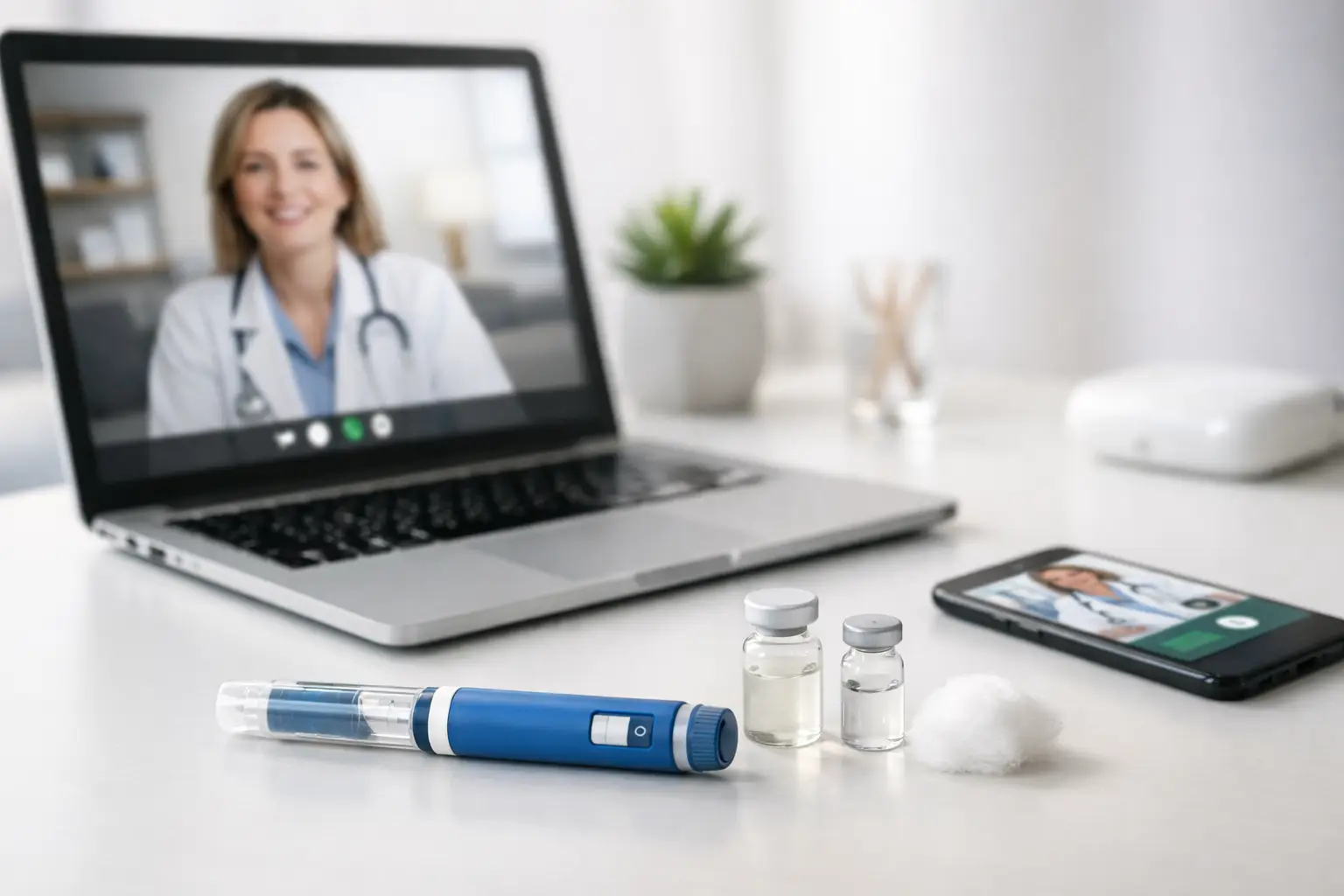
After intake, the next step is a medical review by a licensed clinician. Some services use asynchronous messaging, while others schedule a video visit. Either approach can work if the review is thorough and gives you space to ask questions. What matters most is that a qualified clinician evaluates your eligibility and explains the benefits, risks, side effects, and alternatives.
If you’re approved, the provider may recommend a specific GLP-1 medication, explain how dose escalation works, and outline follow-up care. That part matters more than many people realize. These medications often start at a lower dose and increase gradually to help reduce side effects and improve tolerability. Good online care does not stop at the prescription.
What to look for in an online GLP-1 provider
Convenience is a major reason people choose telehealth, but convenience should not come at the expense of quality. The strongest online platforms are transparent about who they treat, what medication they prescribe, what the program includes, and what happens if you have side effects or need dose adjustments.
Look closely at the medical oversight. You should be able to confirm that care is provided by licensed clinicians in your state. The platform should also explain whether lab work is required, whether insurance is accepted, and whether the quoted price includes visits, medication, and ongoing check-ins. If costs are unclear on the front end, they may become more frustrating later.
Support is another big factor. Some patients do well with a simple prescription model, but many benefit from check-ins, refill management, nutrition guidance, and a clear way to contact the care team. Weight loss treatment tends to work best when medication is paired with behavior changes you can actually sustain.
It is also worth asking how the provider handles medication access. Some programs focus on brand-name drugs, some discuss multiple treatment paths, and some may offer pharmacy support to help patients understand pricing and availability. Because supply and coverage can vary, flexibility can make a real difference.
Costs, insurance, and the fine print
One of the biggest questions around how to start GLP-1 online is cost. And the honest answer is that pricing varies a lot.
Some telehealth platforms charge a monthly membership fee for clinical care and support, while medication is billed separately. Others bundle care and medication into one monthly price. Brand-name GLP-1 medications can be expensive, especially if insurance does not cover them for weight loss. In some cases, coverage may depend on your diagnosis, prior authorization requirements, or employer plan rules.
That is why transparency matters. Before signing up, make sure you understand whether you are paying for the consultation only, the clinical program, the prescription itself, or all three. Ask what happens if you are not approved. Ask whether refunds are available. Ask whether follow-up visits are included and whether future dose changes create extra charges.
The lowest advertised number is not always the best value. A cheaper service that offers little follow-up can end up being harder to use and more expensive over time if you run into delays, refill issues, or poor communication. Many patients are better served by a program that is clear, responsive, and built for continuity.
Who may qualify for GLP-1 treatment
Not everyone is a candidate for GLP-1 medications, and that is a good thing to know early. In general, eligibility often depends on your BMI and whether you have related conditions such as high blood pressure, sleep apnea, prediabetes, or type 2 diabetes. A clinician will also look for reasons treatment may not be appropriate, including certain personal or family medical histories.
Pregnancy, a history of medullary thyroid carcinoma, multiple endocrine neoplasia syndrome type 2, and some gastrointestinal conditions may affect whether these medications are recommended. Your current medications and overall health picture also matter. Even if you have seen GLP-1 success stories online, your safest path is one based on your own medical profile, not someone else’s results.
This is also where expectations should be realistic. GLP-1 medications can support meaningful weight loss for many people, but they are not instant. Progress usually happens over time, and side effects like nausea, constipation, or reduced appetite can be part of the adjustment period. A credible provider will be direct about that.
What happens after you start
Starting treatment is one step. Staying on track is where the experience either gets easier or more frustrating.
Most GLP-1 plans involve regular follow-up to monitor side effects, appetite changes, weight response, and dose increases. Some patients reach a dose that works well and stay there. Others need adjustments based on tolerability or access. If side effects show up, your clinician may recommend slowing dose escalation, changing eating patterns, or reassessing whether the medication is the right fit.
The best online programs make this part simple. You should know how to request refills, how to message your care team, and what to do if your pharmacy runs into a stock issue. If you are managing treatment through a digital platform, the system should save you time, not create more work.
You should also expect guidance beyond the prescription. Medication can help reduce hunger and improve satiety, but long-term results still depend on habits. That does not mean you need a perfect diet or intense fitness routine. It means small, consistent changes tend to matter more than extreme ones. Protein intake, hydration, strength training, sleep, and basic meal structure all become more useful when appetite is changing.
Red flags to avoid when starting GLP-1 online
Not every online offer deserves your trust. If a service guarantees approval, skips medical screening, hides pricing, or makes unrealistic claims about rapid weight loss, be cautious. Healthcare should feel clear and supportive, not vague or sales-driven.
You should also be wary of platforms that make it hard to identify the prescribing clinician or explain where medication is coming from. If you cannot tell who is managing your care, what you are paying for, or how follow-up works, that is a sign to keep looking.
A good digital health experience should leave you feeling informed and in control. That is part of what platforms like Rx.com aim to make easier – helping consumers sort through treatment options, understand the real costs, and take the next step with more confidence.
A simple way to think about your next step
If you want to know how to start GLP-1 online, think of it less like ordering a product and more like choosing a care model. The right option is not just the one that can write a prescription fastest. It is the one that screens carefully, explains costs clearly, supports you after the first visit, and treats your health like more than a checkout flow.
When online care is done well, it can remove a lot of friction from getting started. You can ask questions, review your options, and move forward on your own schedule. That kind of convenience matters – especially when it is paired with real medical guidance and a plan you can stick with.
Ways to save on your prescription
- Check pharmacy prices: Prices can vary widely by location and pharmacy.
- Use a free RX.com discount card: See potential savings at checkout (no subscription required).
- Track prices with RxWatch: Get updates when prices change for medications you care about.