
This guide is for educational purposes only and isn’t medical advice. Medication choices and pricing vary by pharmacy, location, and insurance. If you have questions about what’s right for you, talk to a licensed clinician.
A sore throat at 8 p.m. A follow-up for blood pressure during your lunch break. A question about hair loss you have been putting off for months. If you are wondering what conditions can telehealth treat, the short answer is more than many people realize – but not everything.
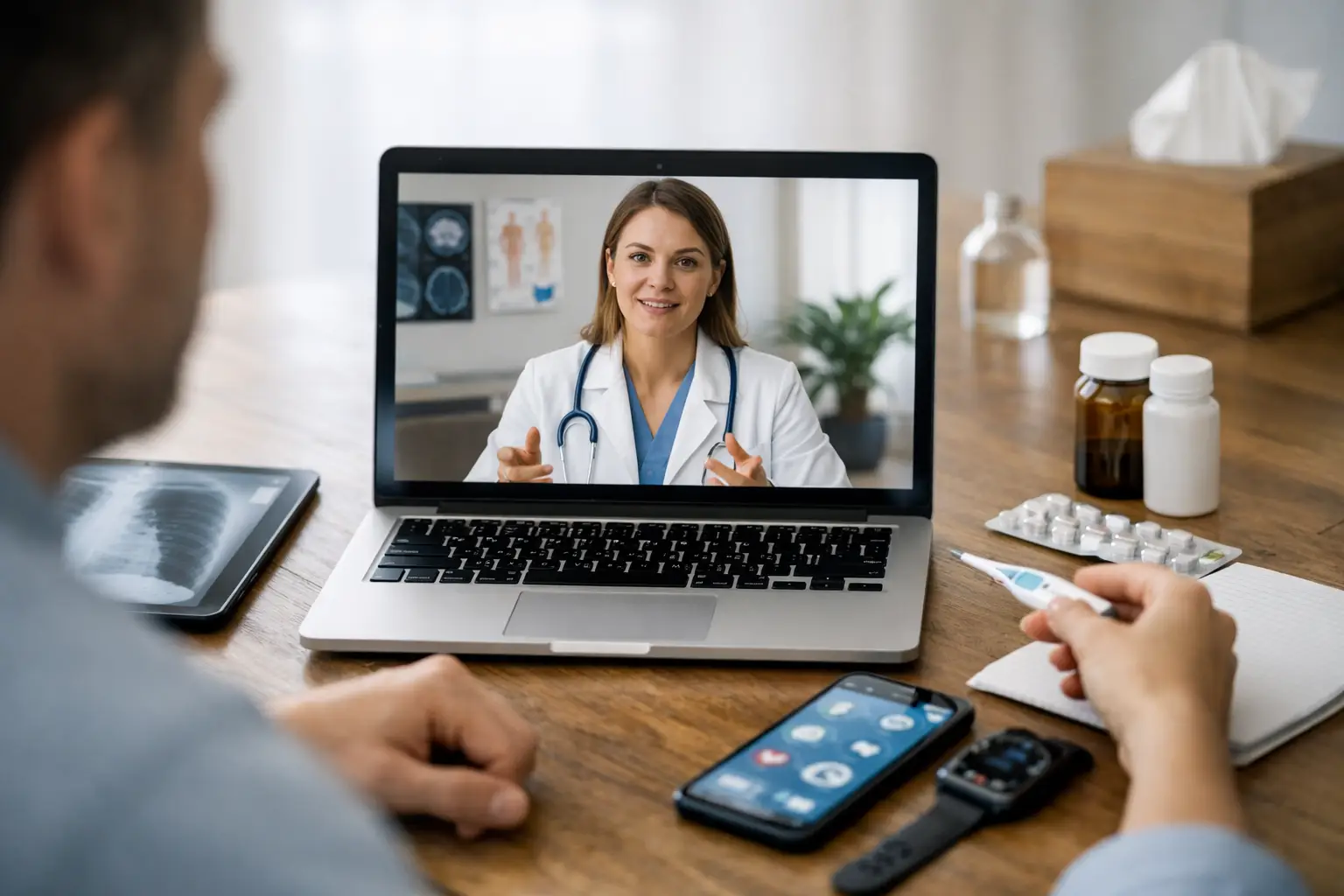
Telehealth works best when a clinician can make a safe, informed decision through conversation, medical history, visible symptoms, home monitoring data, and, when needed, lab work ordered remotely. That makes virtual care a practical option for many everyday health concerns, ongoing treatment plans, and medication management needs. It can save time, reduce hassle, and make care easier to fit into real life. The key is knowing where it helps most and where an in-person exam still matters.
What conditions can telehealth treat well?
Telehealth is often a strong fit for common, lower-risk concerns that do not always require hands-on testing right away. Many primary care, urgent care, and specialty issues can start virtually, especially when symptoms are straightforward and the next step is clear.
Everyday illnesses and minor infections
Virtual care can often help with colds, flu-like symptoms, sinus issues, allergies, pink eye, mild rashes, and some urinary tract infections. In these cases, the clinician can ask targeted questions, review your symptoms, and decide whether home care, a prescription, testing, or an in-person visit makes the most sense.
This does not mean every infection can be treated online. If symptoms are severe, unusual, or worsening, you may need a physical exam, imaging, or lab work. But for many routine cases, telehealth can be an efficient first stop.
Skin concerns
Telehealth is especially useful for visible issues. Acne, eczema, rosacea, psoriasis flares, fungal infections, bug bites, and some suspicious spots can often be evaluated through photos or video. Dermatology is one of the clearest examples of virtual care working well because the clinician can literally see the problem.
There are limits, though. If a skin condition needs a biopsy, in-person treatment, or a closer exam under special lighting, a virtual visit becomes the starting point rather than the full solution.
Mental health conditions
Anxiety, depression, stress, insomnia, and medication follow-ups are commonly treated through telehealth. For many people, remote mental health care feels more private and more manageable than traveling to an office. That can make it easier to stay consistent with appointments.
Telehealth can also support ongoing therapy and psychiatric care. Still, if someone is in immediate crisis, having thoughts of self-harm, or experiencing severe psychiatric symptoms, emergency or in-person services are the safer choice.
Chronic condition management
Many chronic conditions are well suited to telehealth follow-ups. High blood pressure, high cholesterol, diabetes, asthma, thyroid disorders, migraines, and some gastrointestinal issues can often be monitored remotely, especially if you have home readings or recent lab results.
In these cases, virtual care is less about replacing all medical visits and more about reducing unnecessary ones. A clinician can adjust treatment, review side effects, renew medications, and track progress without requiring you to sit in a waiting room for every check-in.
Men’s and women’s health concerns
Telehealth has become a practical way to address concerns people often delay. Men may seek care for erectile dysfunction, hair loss, low testosterone symptoms, or medication management. Women may use telehealth for birth control consultations, menopause symptom discussions, hormonal health questions, and some types of sexual wellness care.
These are good examples of convenience improving access. People often act sooner when care is easier to reach. In some cases, treatment can begin virtually after a medical review. In others, lab work or an in-person evaluation may come first.
Weight management and preventive care
Weight loss support, including discussions around prescription options, nutrition habits, metabolic health, and follow-up monitoring, often fits well with telehealth. These visits usually focus on health history, goals, medication eligibility, side effects, and steady progress over time.
Preventive care can also start online. A clinician may review your risk factors, recommend screenings, order labs, or help you build a plan for smoking cessation, sleep concerns, or healthier routines. Telehealth may not complete every part of preventive care, but it can make the first step much easier.
What conditions can telehealth treat with some limits?
Some issues can be treated virtually in the right situation, but the answer depends on symptom severity, available information, and whether testing is needed.
Back pain is one example. If the pain is mild, recent, and not tied to warning signs like weakness, numbness, or loss of bladder control, telehealth may help with an initial assessment and treatment plan. But serious pain or neurological symptoms need in-person evaluation.
The same goes for respiratory concerns. A clinician may be able to assess a cough, mild asthma symptoms, or possible bronchitis by video, especially if you can describe breathing changes clearly. But shortness of breath, chest pain, low oxygen levels, or worsening symptoms should not wait on virtual care alone.
Digestive issues also fall into this middle category. Heartburn, constipation, diarrhea, and nausea may be manageable through telehealth when symptoms are mild and the story is clear. Severe abdominal pain, dehydration, blood in stool, or persistent vomiting are different.
Telehealth is often a very good front door, even when it is not the final destination. It can help you get direction quickly instead of guessing what to do next.
When telehealth is not the right choice
Virtual care has real value, but it is not built for emergencies or conditions that require a hands-on exam right away. You should seek urgent or emergency in-person care for chest pain, signs of stroke, major injuries, severe trouble breathing, uncontrolled bleeding, seizures, or sudden severe pain.
There are also less dramatic situations where in-person care is simply better. If a clinician needs to listen to your lungs, test your reflexes, swab for infection, perform imaging, or do a procedure, telehealth has reached its limit. That is not a failure of virtual care. It is part of using the right tool for the right job.
How telehealth clinicians decide what is safe to treat
A virtual visit is not just a casual conversation. A licensed clinician is looking for whether your symptoms fit a common pattern, whether there are red flags, whether treatment can start safely without a hands-on exam, and whether follow-up will be needed.
That decision often depends on three things: how clearly you can describe your symptoms, whether the problem is visible or supported by data, and whether you can access testing if necessary. A photo of a rash, a home blood pressure log, or recent lab work can make telehealth far more useful.
This is also why honest, detailed answers matter. If symptoms are worsening or do not fit the usual pattern, the safest outcome may be a referral to in-person care.
How to get more out of a telehealth visit
A little preparation can make a virtual appointment much more productive. Have your medications ready, know your symptom timeline, and gather any home health readings such as temperature, blood pressure, blood sugar, or weight if they apply. Good lighting and clear photos help with skin, eye, or throat concerns.
It also helps to be direct about what you need. Are you looking for a diagnosis, medication refill, treatment options, lab orders, or help deciding whether the issue is urgent? Clear goals save time and help the clinician guide you faster.
For adults managing ongoing care, convenience matters. A platform like Rx.com can help simplify access to treatment, follow-up support, and medication management in one place, which makes it easier to stay on top of care instead of starting over each time a new question comes up.
The real value of telehealth
The best way to think about telehealth is not as a replacement for all healthcare, but as a faster and more flexible way to handle the kinds of care that do not need four walls and an exam table. It works especially well for common illnesses, chronic condition follow-ups, mental health support, skin concerns, and sensitive issues people may otherwise postpone.
If you are asking what conditions can telehealth treat, the most honest answer is this: many common health needs can start there, and many can be fully managed there, but safe care still depends on the details. When virtual care fits, it can remove friction, shorten delays, and help you take action sooner. That alone can make a real difference in your health.
Ways to save on your prescription
- Check pharmacy prices: Prices can vary widely by location and pharmacy.
- Use a free RX.com discount card: See potential savings at checkout (no subscription required).
- Track prices with RxWatch: Get updates when prices change for medications you care about.