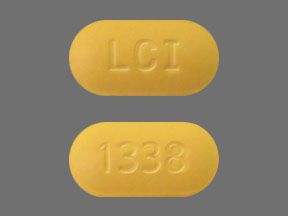
Avidoxy
Avidoxy 100MG
¿Qué es Avidoxy?
La Doxiciclina Monohidrato es un medicamento genérico utilizado para tratar ciertas infecciones causadas por bacterias. El precio promedio de la Doxiciclina Monohidrato es de aproximadamente $81 para un suministro de 20 cápsulas orales de 100 mg. Puedes utilizar nuestra oferta de ahorros en Rx.com para obtener un descuento de hasta el 80% en el precio de venta al público de la Doxiciclina Monohidrato en las farmacias participantes cerca de ti.Side Effects
- Nausea
- Vomiting
- Diarrhea
Warnings
- Do not use if allergic to doxycycline or other tetracyclines
- Avoid excessive sunlight or artificial UV light exposure
- May impair the effectiveness of oral contraceptives
- Use with caution in individuals with liver disease
- Not recommended for use during pregnancy due to potential harm to the fetus
Prescription savings · ·
¿Qué es Avidoxy ?
La Doxiciclina Monohidrato es un medicamento genérico utilizado para tratar ciertas infecciones causadas por bacterias. El precio promedio de la Doxiciclina Monohidrato es de aproximadamente $81 para un suministro de 20 cápsulas orales de 100 mg. Puedes utilizar nuestra oferta de ahorros en Rx.com para obtener un descuento de hasta el 80% en el precio de venta al público de la Doxiciclina Monohidrato en las farmacias participantes cerca de ti.Avidoxy Cupones y Precios - Rx.com
Avidoxy 100MG
Weight-loss medication, prescribed online
Licensed U.S. providers · No insurance needed · Shipped to your door
Avidoxy prices by dosage
Lowest cash price with a free Rx.com coupon vs. the average retail price.
| Dosis | Cantidad | Retail price | Rx.com price |
|---|---|---|---|
| 100mg · Tablet | 3 | $40.49 | $6.70 |
Cash prices near ZIP 77433; updated regularly. Actual pharmacy price may vary.
Browse more medications: starting with A · full A-Z directory · by condition · common drugs
Medical disclaimer: This information is provided for general educational purposes only and is not medical advice. It is not a substitute for professional diagnosis or treatment. Always consult a licensed physician, pharmacist, or other qualified healthcare provider before starting, stopping, or changing any medication or treatment. Never disregard professional medical advice or delay seeking it because of something you read here. If you think you may have a medical emergency, call your doctor or 911 immediately.


