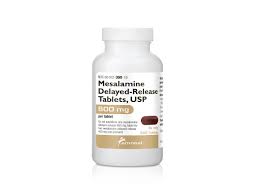
Canasa
Canasa 30 Suppository
What is Canasa?
Mesalamine is an anti-inflammatory medication primarily used to treat inflammatory bowel diseases, such as ulcerative colitis. It works by inhibiting the production of certain chemicals in the lining of the colon, reducing inflammation and alleviating symptoms associated with these conditions. Mesalamine is typically administered orally or rectally and is known for its targeted action in the digestive tract, minimizing systemic side effects.Side Effects
- Abdominal pain
- Diarrhea
- Headache
Warnings
- Hypersensitivity reactions such as chest pain, pericarditis, myocarditis and hepatitis
- Renal impairment, including renal failure
- Mesalamine-induced acute intolerance syndrome
- Caution in patients with pre-existing liver disease
- Blood disorders such as leukopenia, thrombocytopenia, and agranulocytosis
Prescription savings · · · ·
What is Canasa ?
Mesalamine is an anti-inflammatory medication primarily used to treat inflammatory bowel diseases, such as ulcerative colitis. It works by inhibiting the production of certain chemicals in the lining of the colon, reducing inflammation and alleviating symptoms associated with these conditions. Mesalamine is typically administered orally or rectally and is known for its targeted action in the digestive tract, minimizing systemic side effects.- Abdominal pain
- Diarrhea
- Headache
- Nausea
- Vomiting
- Rash
- Hypersensitivity reactions such as chest pain, pericarditis, myocarditis and hepatitis
- Renal impairment, including renal failure
- Mesalamine-induced acute intolerance syndrome
- Caution in patients with pre-existing liver disease
- Blood disorders such as leukopenia, thrombocytopenia, and agranulocytosis
Canasa Coupons & Prices
Canasa 30 Suppository
Weight-loss medication, prescribed online
Licensed U.S. providers · No insurance needed · Shipped to your door
Related Drugs
Browse more medications: starting with C · full A-Z directory · by condition · common drugs
Medical disclaimer: This information is provided for general educational purposes only and is not medical advice. It is not a substitute for professional diagnosis or treatment. Always consult a licensed physician, pharmacist, or other qualified healthcare provider before starting, stopping, or changing any medication or treatment. Never disregard professional medical advice or delay seeking it because of something you read here. If you think you may have a medical emergency, call your doctor or 911 immediately.


