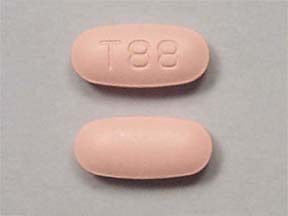
Lodine
Lodine 400MG
¿Qué es Lodine?
Etodolac es un medicamento antiinflamatorio no esteroideo (AINE) utilizado para aliviar el dolor y la inflamación asociados con condiciones como la osteoartritis y la artritis reumatoide. Funciona inhibiendo la producción de prostaglandinas, sustancias en el cuerpo que desempeñan un papel clave en la señalización del dolor y la inflamación. Disponible en formulaciones de liberación inmediata y prolongada, el Etodolac ofrece opciones de dosificación flexibles para manejar eficazmente diversos niveles de dolor.Side Effects
- upset stomach
- nausea
- vomiting
Warnings
- risk of serious cardiovascular thrombotic events
- risk of gastrointestinal bleeding, ulceration, and perforation
- not recommended for use during late pregnancy
- may cause liver damage
- caution in patients with renal impairment
Prescription savings · ·
¿Qué es Lodine ?
Etodolac es un medicamento antiinflamatorio no esteroideo (AINE) utilizado para aliviar el dolor y la inflamación asociados con condiciones como la osteoartritis y la artritis reumatoide. Funciona inhibiendo la producción de prostaglandinas, sustancias en el cuerpo que desempeñan un papel clave en la señalización del dolor y la inflamación. Disponible en formulaciones de liberación inmediata y prolongada, el Etodolac ofrece opciones de dosificación flexibles para manejar eficazmente diversos niveles de dolor.Lodine Cupones y Precios - Rx.com
Lodine 400MG
4 ED medications in one dose
Apomorphine, sildenafil, tadalafil & vardenafil · One sublingual dose · Free express shipping
Lodine prices by dosage
Lowest cash price with a free Rx.com coupon vs. the average retail price.
| Dosis | Cantidad | Retail price | Rx.com price |
|---|---|---|---|
| 400mg · Tablet | 21 | $446.99 | $376.74 |
Cash prices near ZIP 77433; updated regularly. Actual pharmacy price may vary.
Browse more medications: starting with L · full A-Z directory · by condition · common drugs
Medical disclaimer: This information is provided for general educational purposes only and is not medical advice. It is not a substitute for professional diagnosis or treatment. Always consult a licensed physician, pharmacist, or other qualified healthcare provider before starting, stopping, or changing any medication or treatment. Never disregard professional medical advice or delay seeking it because of something you read here. If you think you may have a medical emergency, call your doctor or 911 immediately.


