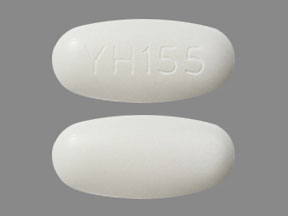
Potassium Chloride Er
Potassium Chloride ER 10MEQ
What is Potassium Chloride Er?
Potassium Chloride ER is a medication used to help maintain proper potassium levels in the body. It is often prescribed for individuals who may not be getting enough potassium from their diet or who lose potassium due to certain medical conditions.Side Effects
- Severe stomach pain or vomiting
- Throat pain, feeling as if pill is stuck in the throat
- Confusion, weakness, uneven heartbeat, trouble breathing, numbness in your hands, feet, or lips
Warnings
- Tell your doctor if you are pregnant or breastfeeding or if you have kidney disease, heart disease, or problems with your digestive system.
- This medicine may cause the following problems:Bleeding or ulcers in the digestive systemPotassium levels that are too high
- Your doctor will do lab tests at regular visits to check on the effects of this medicine. Keep all appointments.
- Keep all medicine out of the reach of children. Never share your medicine with anyone.
- Throat pain, feeling as if pill is stuck in the throat
Prescription savings · · · ·
What is Potassium Chloride Er ?
Potassium Chloride ER is a medication used to help maintain proper potassium levels in the body. It is often prescribed for individuals who may not be getting enough potassium from their diet or who lose potassium due to certain medical conditions.- Severe stomach pain or vomiting
- Throat pain, feeling as if pill is stuck in the throat
- Confusion, weakness, uneven heartbeat, trouble breathing, numbness in your hands, feet, or lips
- Bloody or black, tarry stools
- Allergic reaction: Itching or hives, swelling in your face or hands, swelling or tingling in your mouth or throat, chest tightness, trouble breathing
- Tell your doctor if you are pregnant or breastfeeding or if you have kidney disease, heart disease, or problems with your digestive system.
- This medicine may cause the following problems:Bleeding or ulcers in the digestive systemPotassium levels that are too high
- Your doctor will do lab tests at regular visits to check on the effects of this medicine. Keep all appointments.
- Keep all medicine out of the reach of children. Never share your medicine with anyone.
- Throat pain, feeling as if pill is stuck in the throat
Potassium Chloride Er Coupons & Prices
Potassium Chloride ER 10MEQ

Weight-loss medication, prescribed online
Licensed U.S. providers · No insurance needed · Shipped to your door
Potassium Chloride Er prices by dosage
Lowest cash price with a free Rx.com coupon vs. the average retail price.
| Dosage | Quantity | Retail price | Rx.com price |
|---|---|---|---|
| 8meq · Tablet Extended Release | 90 | $48.49 | $18.04 |
| 10meq · Tablet Extended Release | 90 | $54.99 | $10.87 |
| 15meq · Tablet Extended Release | 90 | $106.69 | $77.80 |
| 20meq · Tablet Extended Release | 90 | $17.69 | $14.98 |
Cash prices near ZIP 77433; updated regularly. Actual pharmacy price may vary.
Looking for a potassium chloride ER coupon? Potassium chloride extended-release is a low-cost generic potassium supplement (sold under brand names like Klor-Con, K-Dur, and Micro-K) that doctors prescribe to treat and prevent low blood potassium (hypokalemia). Even though the generic is already inexpensive, the cash price can vary a lot from one pharmacy to the next, so it pays to compare. Rx.com checks prices across more than 60,000 U.S. pharmacies and gives you a free discount coupon you can use whether or not you have insurance. Enter your ZIP above to see today's price near you.
What is potassium chloride ER and how does it work?
Potassium chloride ER is an oral mineral electrolyte supplement in the class of potassium replenishers. It is FDA-approved for the treatment and prevention (prophylaxis) of hypokalemia, or low blood potassium, with or without metabolic alkalosis, in patients for whom eating more potassium-rich foods or lowering a diuretic dose is not enough. Potassium is essential for normal heart rhythm, muscle contraction, and nerve signaling.
It is most often prescribed for people taking potassium-wasting diuretics such as loop or thiazide water pills, and to replace potassium lost through vomiting, diarrhea, or certain kidney and hormonal conditions. The extended-release design lets the potassium dissolve gradually rather than all at once. It comes in several brand names, including Klor-Con, Klor-Con M, Klor-Con Sprinkle, K-Dur, K-Tab, and Micro-K.
Cost of potassium chloride ER without insurance
Potassium chloride is available as an FDA-approved, substitutable generic, so it is one of the more affordable prescriptions on the market. That said, cash prices are not uniform: two pharmacies on the same street can charge very different amounts for the identical generic tablet, which is exactly why comparing before you fill matters.
Rx.com compares the cash price across more than 60,000 pharmacies and gives you a free coupon that often beats the standard shelf price, even if you have no insurance or a high deductible. There is no membership fee. Enter your ZIP code above to see today's price and print, text, or show the coupon at the counter.
Brands and related medications
Because a substitutable generic exists, most people can be dispensed generic potassium chloride ER in place of a brand and pay less for the same active ingredient. Brand-name versions that use potassium chloride include Klor-Con and Klor-Con M, K-Dur, and the Micro-K sprinkle capsules. All contain the same potassium chloride salt in different tablet or capsule forms.
Potassium chloride is frequently prescribed alongside diuretics that deplete potassium, such as furosemide (a loop diuretic). By contrast, potassium-sparing diuretics like spironolactone raise potassium, so they are generally not combined with a potassium supplement without careful monitoring. Always let your prescriber and pharmacist know every medication you take.
Safety and side effects
Swallow potassium chloride ER tablets whole with a full glass of water and food. Do not crush, chew, or suck the tablets, because solid oral potassium chloride can cause ulcers or narrowing (stenosis) of the digestive tract if a tablet lodges against the lining. Stop the medication and contact your doctor right away if you have severe vomiting, abdominal pain, bloating, or signs of GI bleeding. Common, milder side effects include nausea, vomiting, diarrhea, stomach discomfort, and gas.
The main serious risk is hyperkalemia, or dangerously high potassium, which can trigger irregular heart rhythms and even cardiac arrest and may cause no symptoms at all. For this reason your provider monitors your blood potassium and sometimes an ECG. Potassium chloride is high-risk or should be avoided with potassium-sparing diuretics (amiloride, triamterene, spironolactone, eplerenone), ACE inhibitors and ARBs, and in kidney impairment. If potassium is very low (below 2.5 mEq/L), IV potassium is used instead. This is general information, not medical advice, so follow your own prescriber's instructions.
This Potassium Chloride Er information was written and reviewed against authoritative U.S. medical sources — MedlinePlus (U.S. National Library of Medicine), DailyMed, and FDA prescribing information — and checked for accuracy. It is provided for education and is not a substitute for professional medical advice.
Verify the official label: Potassium Chloride Er on DailyMed (FDA)
Reviewed against FDA labeling · Last reviewed July 2026
Related Drugs
Browse more medications: starting with P · full A-Z directory · by condition · common drugs
Medical disclaimer: This information is provided for general educational purposes only and is not medical advice. It is not a substitute for professional diagnosis or treatment. Always consult a licensed physician, pharmacist, or other qualified healthcare provider before starting, stopping, or changing any medication or treatment. Never disregard professional medical advice or delay seeking it because of something you read here. If you think you may have a medical emergency, call your doctor or 911 immediately.


