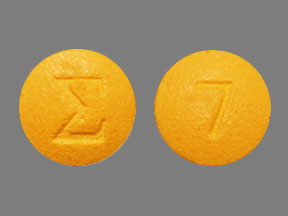
Protriptyline Hcl
Protriptyline HCl 10MG
What is Protriptyline Hcl?
Protriptyline HCl is a tricyclic antidepressant (TCA) primarily used in the treatment of depression and certain types of neuropathic pain. It functions by inhibiting the reuptake of the neurotransmitters norepinephrine and serotonin, thereby increasing their levels and improving mood and pain symptoms. Protriptyline is known for its stimulating properties compared to other TCAs, potentially enhancing alertness and energy in patients.Side Effects
- Feeling anxious, agitated, confused, restless, or irritable
- Change in how much or how often you urinate, problems urinating
- Chest pain or fast, pounding, or uneven heartbeat
Warnings
- Tell your doctor if you are pregnant or breastfeeding, or if you have heart or blood vessel disease, glaucoma, problems with urination, seizures, or thyroid disease.
- For some children, teenagers, and young adults, this medicine may increase mental or emotional problems. This may lead to thoughts of suicide and violence. Talk with your doctor right away if you have any thoughts or behavior changes that concern you. Tell your doctor if you or anyone in your family has a history of bipolar disorder or suicide attempts.
- Do not stop using this medicine suddenly. Your doctor will need to slowly decrease your dose before you stop it completely.
- This medicine may make you dizzy or drowsy. Do not drive or do anything that could be dangerous until you know how this medicine affects you.
- This medicine may raise or lower your blood sugar level.
Prescription savings · · · ·
What is Protriptyline Hcl ?
Protriptyline HCl is a tricyclic antidepressant (TCA) primarily used in the treatment of depression and certain types of neuropathic pain. It functions by inhibiting the reuptake of the neurotransmitters norepinephrine and serotonin, thereby increasing their levels and improving mood and pain symptoms. Protriptyline is known for its stimulating properties compared to other TCAs, potentially enhancing alertness and energy in patients.- Feeling anxious, agitated, confused, restless, or irritable
- Change in how much or how often you urinate, problems urinating
- Chest pain or fast, pounding, or uneven heartbeat
- Lightheadedness, dizziness, or fainting
- Thoughts of hurting yourself or others, unusual behavior
- Allergic reaction: Itching or hives, swelling in your face or hands, swelling or tingling in your mouth or throat, chest tightness, trouble breathing
- Eye pain, vision changes, seeing halos around lights
- Tell your doctor if you are pregnant or breastfeeding, or if you have heart or blood vessel disease, glaucoma, problems with urination, seizures, or thyroid disease.
- For some children, teenagers, and young adults, this medicine may increase mental or emotional problems. This may lead to thoughts of suicide and violence. Talk with your doctor right away if you have any thoughts or behavior changes that concern you. Tell your doctor if you or anyone in your family has a history of bipolar disorder or suicide attempts.
- Do not stop using this medicine suddenly. Your doctor will need to slowly decrease your dose before you stop it completely.
- This medicine may make you dizzy or drowsy. Do not drive or do anything that could be dangerous until you know how this medicine affects you.
- This medicine may raise or lower your blood sugar level.
- Tell any doctor or dentist who treats you that you are using this medicine. You may need to stop using this medicine several days before you have surgery or medical tests.
- Your doctor will check your progress and the effects of this medicine at regular visits. Keep all appointments.
- Keep all medicine out of the reach of children. Never share your medicine with anyone.
Protriptyline Hcl Coupons & Prices
Protriptyline HCl 10MG
Weight-loss medication, prescribed online
Licensed U.S. providers · No insurance needed · Shipped to your door
Protriptyline Hcl prices by dosage
Lowest cash price with a free Rx.com coupon vs. the average retail price.
| Dosage | Quantity | Retail price | Rx.com price |
|---|---|---|---|
| 5mg · Tablet | 30 | $184.49 | $66.08 |
| 10mg · Tablet | 30 | $154.19 | $66.74 |
Cash prices near ZIP 77433; updated regularly. Actual pharmacy price may vary.
Browse more medications: starting with P · full A-Z directory · by condition · common drugs
Medical disclaimer: This information is provided for general educational purposes only and is not medical advice. It is not a substitute for professional diagnosis or treatment. Always consult a licensed physician, pharmacist, or other qualified healthcare provider before starting, stopping, or changing any medication or treatment. Never disregard professional medical advice or delay seeking it because of something you read here. If you think you may have a medical emergency, call your doctor or 911 immediately.


