
Topiramate
Topiramate 25MG
What is Topiramate?
Topiramate (Topamax) is a prescription anticonvulsant used to treat epilepsy (partial-onset and primary generalized tonic-clonic seizures) and to prevent migraines in adults and adolescents. It is also used off-label for weight management — and is FDA-approved in combination with phentermine (Qsymia) for chronic weight management in obesity. Topiramate works through multiple mechanisms in the brain — blocking sodium channels, enhancing GABA activity, and blocking kainate/AMPA glutamate receptors — which reduce nerve excitability. Doses for epilepsy range from 200–400 mg/day; migraine prevention doses are typically 50–100 mg/day. A licensed provider can prescribe topiramate through Rx.com for epilepsy, migraine prevention, or weight management.
Side Effects
- Changes in vision, eye pain
- Fever, decreased sweating
- Confusion, problems with walking, clumsiness, dizziness, trouble talking, concentrating, or remembering
Warnings
- It is not safe to take this medicine during pregnancy. It could harm an unborn baby. Tell your doctor right away if you become pregnant.
- Tell your doctor if you are breastfeeding, or if you have kidney disease, liver disease, glaucoma, lung or breathing problems, bone problems (including osteoporosis, osteomalacia, osteopenia), or a history of depression or mood disorders. Tell your doctor if you are on a ketogenic diet (high in fat and low in carbohydrates).
- This medicine may cause the following problems:Eye pain or vision changes, including glaucomaChanges in body temperatureChanges in mood or behavior, including thoughts of suicideMetabolic acidosis (too much acid in the blood)Decreased bone densitySlow growth in childrenSerious skin reactions, including Stevens-Johnson syndrome, toxic epidermal necrolysisKidney stones
- This medicine may make you dizzy, drowsy, or tired. Do not drive or do anything else that could be dangerous until you know how this medicine affects you.
- Do not stop using this medicine suddenly. Your doctor will need to slowly decrease your dose before you stop it completely.
Prescription savings · · · ·
What is Topiramate ?
Topiramate (Topamax) is a prescription anticonvulsant used to treat epilepsy (partial-onset and primary generalized tonic-clonic seizures) and to prevent migraines in adults and adolescents. It is also used off-label for weight management — and is FDA-approved in combination with phentermine (Qsymia) for chronic weight management in obesity. Topiramate works through multiple mechanisms in the brain — blocking sodium channels, enhancing GABA activity, and blocking kainate/AMPA glutamate receptors — which reduce nerve excitability. Doses for epilepsy range from 200–400 mg/day; migraine prevention doses are typically 50–100 mg/day. A licensed provider can prescribe topiramate through Rx.com for epilepsy, migraine prevention, or weight management.
- Changes in vision, eye pain
- Fever, decreased sweating
- Confusion, problems with walking, clumsiness, dizziness, trouble talking, concentrating, or remembering
- Numbness, tingling, or burning pain in your hands, arms, legs, or feet
- Allergic reaction: Itching or hives, swelling in your face or hands, swelling or tingling in your mouth or throat, chest tightness, trouble breathing
- Blistering, peeling, red skin rash
- Bloody or cloudy urine, painful urination, sudden lower back or stomach pain
- Bone fractures, pain, tenderness, or aching, pain in the back, ribs, arms, or legs, decrease in height
- Slow growth in children
- Unusual drowsiness, tiredness, or weakness
- Feeling agitated, depressed, nervous, or irritable, thoughts of hurting yourself or others, unusual mood or behavior
- Rapid, deep breathing, fast or uneven heartbeat
- It is not safe to take this medicine during pregnancy. It could harm an unborn baby. Tell your doctor right away if you become pregnant.
- Tell your doctor if you are breastfeeding, or if you have kidney disease, liver disease, glaucoma, lung or breathing problems, bone problems (including osteoporosis, osteomalacia, osteopenia), or a history of depression or mood disorders. Tell your doctor if you are on a ketogenic diet (high in fat and low in carbohydrates).
- This medicine may cause the following problems:Eye pain or vision changes, including glaucomaChanges in body temperatureChanges in mood or behavior, including thoughts of suicideMetabolic acidosis (too much acid in the blood)Decreased bone densitySlow growth in childrenSerious skin reactions, including Stevens-Johnson syndrome, toxic epidermal necrolysisKidney stones
- This medicine may make you dizzy, drowsy, or tired. Do not drive or do anything else that could be dangerous until you know how this medicine affects you.
- Do not stop using this medicine suddenly. Your doctor will need to slowly decrease your dose before you stop it completely.
- Your doctor will do lab tests at regular visits to check on the effects of this medicine. Keep all appointments.
- Keep all medicine out of the reach of children. Never share your medicine with anyone.
- Keep all medicine out of the reach of children. Never share your medicine with anyone.
- Vomiting, unusual drowsiness, tiredness, or weakness
Topiramate Coupons & Prices
Topiramate 25MG

Weight-loss medication, prescribed online
Licensed U.S. providers · No insurance needed · Shipped to your door
Topiramate prices by dosage
Lowest cash price with a free Rx.com coupon vs. the average retail price.
| Dosage | Quantity | Retail price | Rx.com price |
|---|---|---|---|
| 25mg · Tablet | 60 | $40.47 | $9.00 |
| 50mg · Tablet | 60 | $51.45 | $9.00 |
| 100mg · Tablet | 60 | $58.49 | $9.00 |
| 200mg · Tablet | 60 | $162.60 | $9.00 |
Cash prices near ZIP 77433; updated regularly. Actual pharmacy price may vary.
Looking for a topiramate coupon? Topiramate is the low-cost generic version of Topamax, an anticonvulsant used to treat certain types of seizures and to prevent migraine headaches. Because it is a widely available generic, cash prices are already relatively low, but they can vary a lot from one pharmacy to the next, so comparing before you fill matters. Enter your ZIP above to see today's topiramate price at pharmacies near you. Rx.com compares prices across more than 60,000 pharmacies to help you find the best deal, and your coupon is free to use with no insurance required.
What is topiramate and how does it work?
Topiramate is an anticonvulsant (antiepileptic) medication in the carbonic anhydrase inhibitor class. It is FDA-approved to treat epilepsy as a standalone therapy in patients 2 years and older with partial-onset or primary generalized tonic-clonic seizures, and as an add-on therapy for those seizure types and for seizures associated with Lennox-Gastaut syndrome. It is also FDA-approved to prevent migraine headaches in adults and adolescents 12 years and older. Topiramate is sold under brand names including Topamax, Trokendi XR, Qudexy XR, Eprontia, and Topiragen.
Topiramate is thought to work by calming overactive electrical signaling in the brain, which helps reduce the frequency of seizures and migraine attacks. It is also available as a fixed-dose combination with phentermine (branded Qsymia) for chronic weight management. Your provider decides which form and dose is right for you.
Topiramate cost and coupon savings without insurance
Topiramate is available as a generic, which usually makes it much more affordable than the brand-name versions. Even so, the cash price you pay can differ widely depending on which pharmacy you use, your dose, and your location, so it pays to compare. A free Rx.com coupon can be used at the pharmacy counter whether or not you have insurance, and for some people the cash coupon price beats an insurance copay.
To see current pricing, enter your ZIP code above and Rx.com will compare topiramate prices across more than 60,000 pharmacies near you. If you are prescribed the brand-name Topamax, the manufacturer offers a savings program with its own terms and eligibility rules at topamax.com/coupon.html; terms vary, so check the official page for details.
Topiramate alternatives and related medications
Topiramate is one of several anticonvulsants used for seizures and, in some cases, migraine prevention. If topiramate is not the right fit, your provider may consider other options. Related medications you can compare on Rx.com include:
- Topamax — the brand-name version of topiramate
- zonisamide — another anticonvulsant
- lamotrigine — an anticonvulsant used for seizures
- levetiracetam — a commonly prescribed seizure medication
- Qsymia — a fixed-dose topiramate-phentermine combination
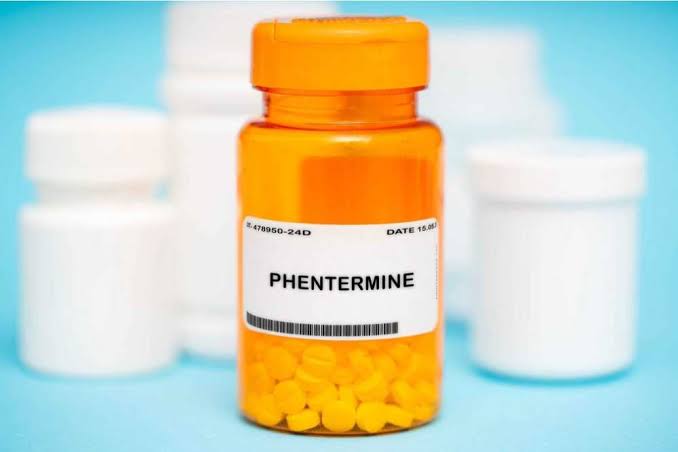
- phentermine — used in the Qsymia combination
Only your prescriber can decide which medication is appropriate for you. Comparing prices on each generic can help you and your provider weigh cost alongside the clinical choice.
Topiramate safety and side effects
The information here is general and is not medical advice — always talk with your doctor or pharmacist about your specific situation. Topiramate has no boxed warning. The most common side effect is paresthesia (numbness or tingling). Some people experience cognitive or mood effects such as trouble concentrating, memory problems, confusion, psychomotor slowing, or changes in mood. Like other antiepileptic drugs, topiramate may increase the risk of suicidal thoughts or behavior, so report any mood changes to your provider.
Important warnings include a rare eye problem (acute myopia and angle-closure glaucoma) that can cause permanent vision loss and needs prompt attention; decreased sweating and overheating, especially in children in hot weather; metabolic acidosis; elevated ammonia levels, particularly when taken with valproic acid; and kidney stones. Do not stop topiramate suddenly, because this can trigger seizures. Topiramate can harm a developing baby (increased risk of oral clefts and small size at birth), so discuss pregnancy plans with your provider. Contact your doctor right away if you notice vision changes, severe side effects, or thoughts of self-harm.
This Topiramate information was written and reviewed against authoritative U.S. medical sources — MedlinePlus (U.S. National Library of Medicine), DailyMed, and FDA prescribing information — and checked for accuracy. It is provided for education and is not a substitute for professional medical advice.
Verify the official label: Topiramate on DailyMed (FDA)
Reviewed against FDA labeling · Last reviewed July 2026
Topiramate — Articles & Guides
2 articles
Related Drugs
Browse more medications: starting with T · full A-Z directory · by condition · common drugs
Medical disclaimer: This information is provided for general educational purposes only and is not medical advice. It is not a substitute for professional diagnosis or treatment. Always consult a licensed physician, pharmacist, or other qualified healthcare provider before starting, stopping, or changing any medication or treatment. Never disregard professional medical advice or delay seeking it because of something you read here. If you think you may have a medical emergency, call your doctor or 911 immediately.


