Does Lexapro Cause Weight Gain?
A plain-English look at Lexapro (escitalopram) and your weight — what the research really shows, why weight changes can happen, how much to expect, and what you can do about it.
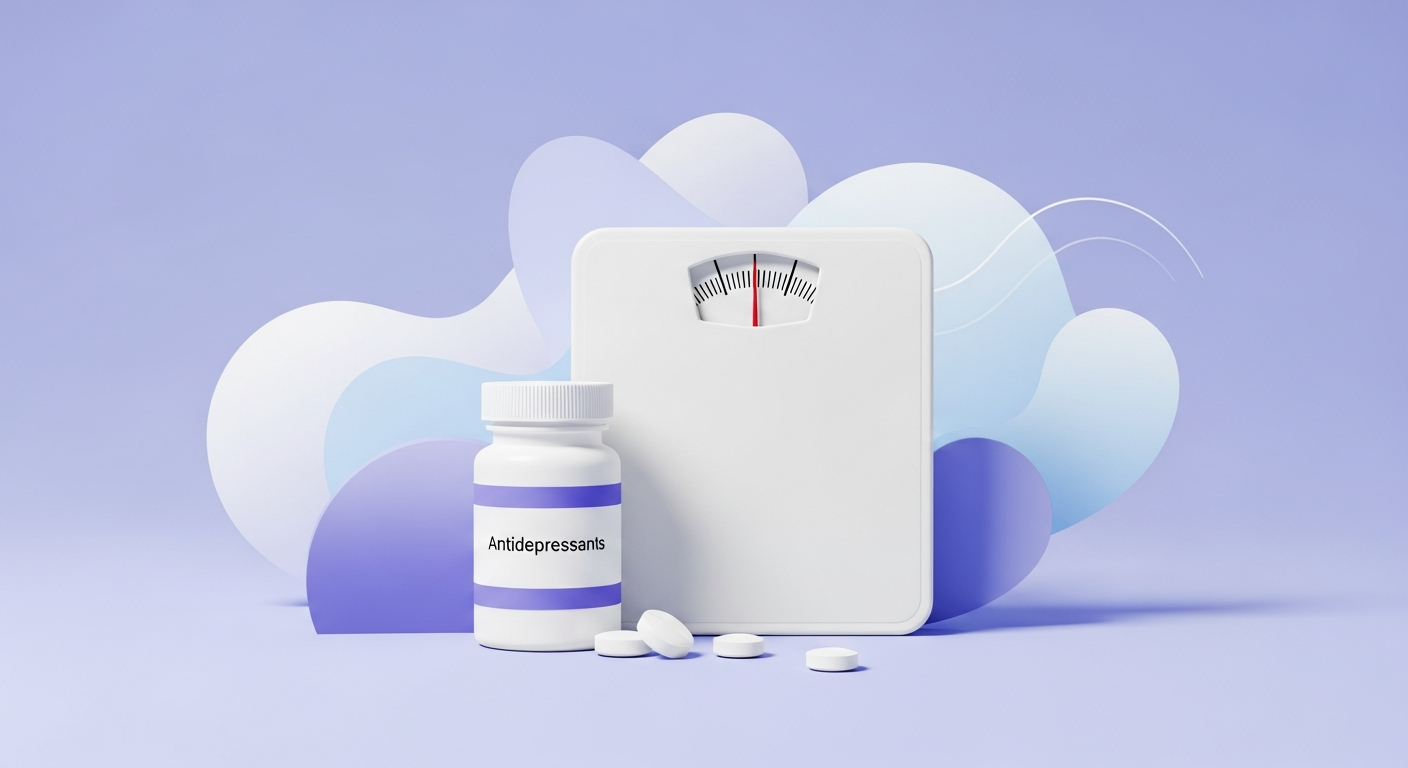
What is Lexapro?
Lexapro is the brand name for escitalopram, a widely used antidepressant in the SSRI family (selective serotonin reuptake inhibitors). It's prescribed for depression and generalized anxiety, and works by helping balance serotonin, a brain chemical involved in mood. You can learn more on the Lexapro drug page.
Does Lexapro cause weight gain?
It's one of the most common questions people have before starting — and the honest answer is: sometimes, for some people, but not everyone. Research shows that any weight gain with escitalopram tends to be modest and is more likely with longer-term use. In the short term, SSRIs are generally close to weight-neutral for most people, and a minority of people actually lose a little weight when they first start.
In other words, weight gain is a possible side effect, not a guaranteed one — and how it plays out varies a lot from person to person.
Why it can happen
There isn't one single cause. A few things may contribute:
- Feeling better. When depression or anxiety lifts, appetite and enjoyment of food often return to normal — which can add back weight that was lost while unwell.
- Appetite and cravings. SSRIs may influence appetite or carbohydrate cravings in some people.
- Metabolism. Subtle changes in how the body uses energy may play a role over time.
- Lifestyle shifts. Changes in sleep, activity, or routine during treatment can also affect weight.

How much, and when
When weight gain does occur, it's usually a few pounds over months to a year rather than rapid or large gains. Studies differ, and your personal result depends on your body, your diet and activity, and how long you take the medication. Many people stay stable, so it's worth tracking your own trend rather than assuming a specific outcome.
Important note
This article is for general education and is not medical advice. Lexapro (escitalopram) is a prescription medication, and the benefits for depression and anxiety often outweigh the risk of modest weight changes. Do not start, stop, or change your dose without talking to a licensed healthcare provider, who can tailor advice to your situation.
What you can do about it
If you're concerned about weight while taking Lexapro, these steps can help — ideally alongside your provider:
- Track the trend, not daily ups and downs, so you have real information to share.
- Focus on balanced meals and watch for any new evening or carb cravings.
- Build in regular movement you actually enjoy — even walking counts.
- Protect your sleep, which affects appetite hormones.
- Pair medication with talk therapy, which can support both mood and healthy habits.
Talking to your provider about options
Weight effects differ from one antidepressant to another and from one person to another. Some options are considered more weight-neutral for certain people. There's no universal "best" choice — the right one depends on your full picture, including which medication helps your symptoms most. If weight is affecting you, your provider can discuss dose adjustments, habits, or alternatives such as other SSRIs like Zoloft (sertraline) — while keeping your mental health protected.
Why not to stop on your own
It can be tempting to quit if the scale moves, but stopping Lexapro suddenly can backfire. It may cause uncomfortable withdrawal-like symptoms and a return of depression or anxiety. Any change should be made gradually and with professional guidance, so your mental health stays steady.
Get support that fits you
Whether you want to talk things through or get a prescription managed online, support is available.
Frequently asked questions
What To Do Next — Based on Your Situation
Your best move depends on where you are in your Lexapro journey.
You have not started Lexapro yet and are worried about weight gain
Weight gain is not inevitable — most people gain less than 5 lbs over a year, and many gain nothing. Do not let that fear prevent you from treating depression or anxiety that is affecting your daily life.
What to do: Ask your prescriber about your personal risk factors and whether Lexapro or another SSRI like sertraline might be a better fit for your body.
You are on Lexapro and have noticed weight gain
Do not stop Lexapro abruptly — stopping SSRIs suddenly can cause discontinuation syndrome (dizziness, brain zaps, mood shifts). First, review your full picture: diet, sleep, and activity changes are common causes.
What to do: If you and your provider agree the medication is the cause, a dose reduction or switch to a weight-neutral option like bupropion may help. Check Lexapro (escitalopram) prices if staying on it →
You want to switch to a weight-neutral antidepressant
Options that tend to be weight-neutral or associated with weight loss include bupropion (Wellbutrin) and some SNRIs at lower doses. These are not right for everyone — especially those with eating disorders or seizure history.
What to do: Ask your provider to guide a cross-taper so you do not lose antidepressant coverage during the transition.
Does Lexapro cause weight gain?
Lexapro (escitalopram) can cause modest weight gain in some people, especially with longer-term use, but it doesn't affect everyone the same way. Many people see little or no change, and some even lose weight at first. On average, any weight gain tends to be small and gradual, and it varies a lot from person to person.
How much weight do people gain on Lexapro?
When weight gain happens, it's usually modest — often a few pounds over months to a year of use, rather than rapid or large gains. Studies vary, and short-term use is generally weight-neutral for most people. Your own result depends on your body, diet, activity, and how long you take it.
Why does Lexapro sometimes cause weight gain?
As depression or anxiety improves, appetite and interest in food can return to normal, which may add weight that was lost while unwell. SSRIs may also influence appetite, cravings, and metabolism in some people, and lifestyle changes during treatment can play a role too.
Which antidepressants are least likely to cause weight gain?
Weight effects differ by medication and by person. Some antidepressants are considered more weight-neutral or even weight-reducing for certain people, while others are more linked to weight gain. There's no one-size-fits-all answer, so the best option should be chosen with a healthcare provider.
Should I stop Lexapro if I gain weight?
Do not stop Lexapro on your own. Stopping suddenly can cause withdrawal-like symptoms and a return of depression or anxiety. If weight is a concern, talk with your provider — they may adjust your dose, suggest lifestyle strategies, or discuss alternatives while keeping your mental health protected.
Last updated: June 10, 2026


