Peptides for Weight Loss
A plain-English guide to what weight-loss peptides really are, which ones are FDA-approved, how they work, the risks to know first, and how to save on the cost.

What are peptides?
Peptides are short chains of amino acids — the same building blocks that make up proteins. Your body makes thousands of natural peptides that act as signals, telling your cells what to do. Some of these natural signals control hunger, fullness, and blood sugar.
Scientists have learned to create medications that copy these natural signals. That's why some of the most popular weight-loss drugs today are technically peptides: they're lab-made versions of the gut hormones that help control appetite.
Which peptides are used for weight loss
When people search for "peptides for weight loss," they're usually talking about GLP-1 receptor agonists. These are the FDA-approved peptide medications that doctors actually prescribe:
- Semaglutide — sold as Wegovy (approved for weight loss) and Ozempic (approved for type 2 diabetes, used off-label for weight loss).
- Tirzepatide — sold as Zepbound (approved for weight loss) and Mounjaro (approved for type 2 diabetes).
- Liraglutide — sold as Saxenda, an older daily GLP-1 injection approved for weight management.
There are also oral options like Rybelsus (oral semaglutide). If you'd like, you can read our guide on microdosing tirzepatide for more on lower-dose approaches.
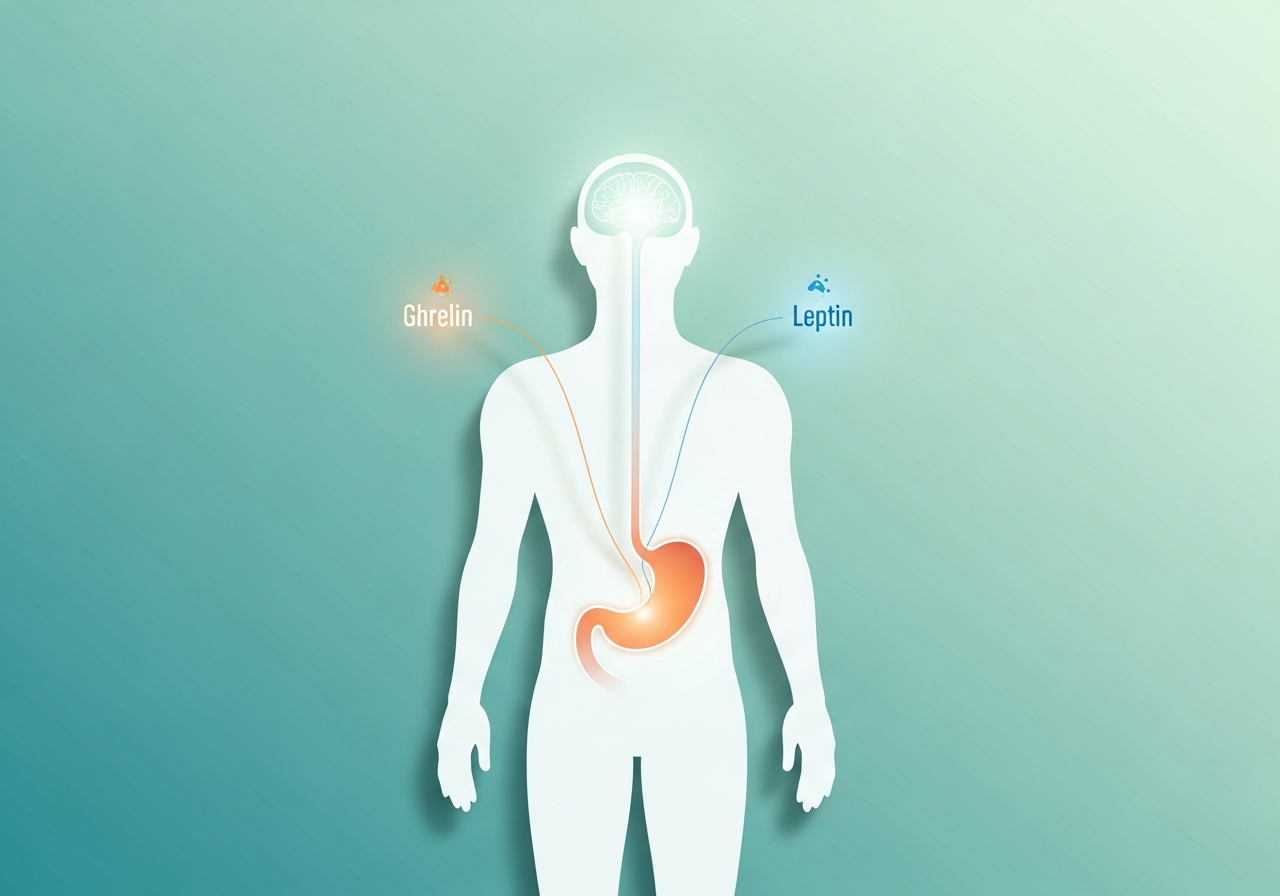
How weight-loss peptides work
GLP-1 peptides mimic a natural gut hormone called GLP-1 (tirzepatide also copies a second hormone, GIP). Together these signals do a few things:
- Slow down digestion so your stomach empties more slowly and you feel full longer.
- Reduce appetite by acting on the parts of the brain that control hunger.
- Help steady blood sugar, which is why these drugs were first developed for type 2 diabetes.
The result for many people is that they simply feel less hungry and eat less — which, combined with healthy habits, can lead to meaningful weight loss.
Common peptide medications compared
Here's a simple overview of the most common FDA-approved peptide medications related to weight loss. Tap any name to compare prices and find savings:
| Medication | Active peptide | FDA-approved for | Form |
|---|---|---|---|
| Wegovy | Semaglutide | Chronic weight management | Weekly injection |
| Zepbound | Tirzepatide | Chronic weight management | Weekly injection |
| Ozempic | Semaglutide | Type 2 diabetes (off-label for weight) | Weekly injection |
| Mounjaro | Tirzepatide | Type 2 diabetes (off-label for weight) | Weekly injection |
| Saxenda | Liraglutide | Chronic weight management | Daily injection |
| Rybelsus | Semaglutide | Type 2 diabetes | Daily pill |
Only a healthcare provider can tell you which option — if any — is right for your health and goals.
"Research peptides" — a word of caution
You may also see other peptides marketed for weight loss online, such as AOD-9604 or fragment 176-191 (along with non-peptide compounds like tesofensine). It's important to be careful here:
- These are not FDA-approved for weight loss and have limited human research behind them.
- Products sold as "research chemicals" or "not for human use" are not regulated for quality, purity, or dosing.
- Buying peptides from unregulated online sources can be risky and, in some cases, unsafe.
The safest path is to talk with a licensed provider about FDA-approved options rather than ordering unregulated peptides.

Side effects and risks
Even FDA-approved peptide medications can have side effects. The most common are digestive:
- Nausea, vomiting, diarrhea, or constipation — often strongest when starting or increasing the dose.
- Stomach pain, reduced appetite, and fatigue.
- More serious but rarer risks exist, which is why these medications need a provider's supervision.
These drugs aren't right for everyone. People with certain thyroid cancers, a history of pancreatitis, or specific other conditions may need to avoid them.
Important safety note
This article is for general education and is not medical advice. Weight-loss peptide medications are prescription drugs. Do not start, stop, or change a medication without talking to a licensed healthcare professional, and only obtain medication through legitimate, regulated sources. Rx.com does not sell or prescribe these medications.
How to save on the cost
Brand-name GLP-1 medications can be expensive — often more than $1,000 a month without insurance. A few ways to lower what you pay:
- Compare pharmacy prices. Cash prices vary a lot between pharmacies. You can compare prices for Wegovy, Zepbound, Ozempic, and Saxenda on Rx.com.
- Use a free discount card. Rx.com's free prescription discount card can reduce the cash price at the pharmacy counter.
- Ask about manufacturer savings programs and whether your insurance covers a particular option.
Frequently asked questions
Which Weight-Loss Peptide Path Fits Your Situation?
Three distinct paths exist — each with a very different risk level, evidence base, and cost.
✅ FDA-Approved GLP-1s
Best if: You want the most evidence, insurance coverage, or the highest-efficacy option available today.
- Semaglutide — Ozempic, Wegovy
- Tirzepatide — Zepbound, Mounjaro
- Liraglutide — Saxenda
💊 Compounded GLP-1s
Best if: You want the same active molecule at lower cost while brand shortages or pricing are a barrier.
- Same semaglutide or tirzepatide base
- Prescribed by licensed providers
- 50–80% cheaper than brand pricing
⚠️ Research Peptides
Only if: A physician specializing in peptides is involved. Not for self-administration — safety and quality are unverified.
- AOD-9604, CJC-1295, Ipamorelin
- Not FDA-approved for weight loss
- Quality and dosing vary widely
What are peptides for weight loss?
Peptides are short chains of amino acids. Several prescription weight-loss medications are peptides, including semaglutide (Wegovy, Ozempic) and tirzepatide (Zepbound, Mounjaro). They work by mimicking gut hormones that reduce appetite. Other peptides sold online are not FDA-approved for weight loss.
Which peptides are FDA-approved for weight loss?
Semaglutide (Wegovy) and tirzepatide (Zepbound), along with liraglutide (Saxenda), are FDA-approved for chronic weight management. Ozempic and Mounjaro contain the same ingredients but are approved for type 2 diabetes and used off-label for weight loss.
How do weight-loss peptides work?
GLP-1 peptides like semaglutide and tirzepatide mimic natural gut hormones. They slow how quickly the stomach empties, reduce appetite, and help you feel full longer, which can lead to eating less and losing weight.
Are research peptides for weight loss safe?
Many peptides sold online (such as AOD-9604 or fragment 176-191) are not FDA-approved for weight loss and have limited human research. Products sold as "research chemicals" are not regulated for quality or safety. Only use prescription medication under a licensed provider's care.
How much do weight-loss peptide medications cost?
Brand-name GLP-1 medications can cost over $1,000 per month without insurance, though prices vary. Free discount cards and coupons can lower the cash price. You can compare prices for Wegovy, Zepbound, Ozempic, and Saxenda on Rx.com.
Last updated: June 10, 2026


