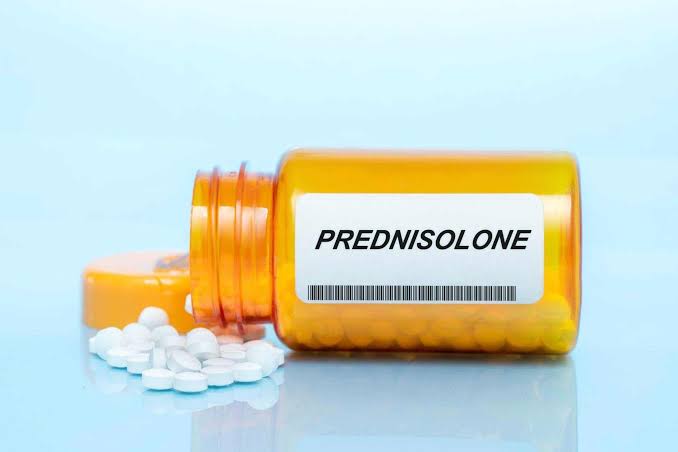
Prednisolone Anhydrous
prednisoLONE Anhydrous 25GM of
What is Prednisolone Anhydrous?
Prednisolone anhydrous is a synthetic glucocorticoid with anti-inflammatory and immunosuppressive properties. It is primarily used to treat a variety of conditions, including allergies, autoimmune diseases, and adrenal insufficiency. Its mode of action involves diminishing inflammation by suppressing the migration of polymorphonuclear leukocytes and reversing increased capillary permeability.Side Effects
- Headache
- Dizziness
- Nausea
Warnings
- May increase risk of infections
- Can cause blood sugar levels to rise
- Long-term use can lead to osteoporosis
- Not recommended for people with known allergies to prednisolone or its components
- Use with caution in patients with hypertension or heart failure
Prescription savings · · · ·
What is Prednisolone Anhydrous ?
Prednisolone anhydrous is a synthetic glucocorticoid with anti-inflammatory and immunosuppressive properties. It is primarily used to treat a variety of conditions, including allergies, autoimmune diseases, and adrenal insufficiency. Its mode of action involves diminishing inflammation by suppressing the migration of polymorphonuclear leukocytes and reversing increased capillary permeability.- Headache
- Dizziness
- Nausea
- Upset stomach
- Insomnia
- Weight gain
- Increased sweating
- Mood changes
- May increase risk of infections
- Can cause blood sugar levels to rise
- Long-term use can lead to osteoporosis
- Not recommended for people with known allergies to prednisolone or its components
- Use with caution in patients with hypertension or heart failure
- Monitor growth in children during prolonged therapy
- Avoid abrupt discontinuation of the drug to prevent withdrawal symptoms
- Consult a doctor immediately if experiencing vision problems or eye pain
Prednisolone Anhydrous Coupons & Prices
prednisoLONE Anhydrous 25GM of
Weight-loss medication, prescribed online
Licensed U.S. providers · No insurance needed · Shipped to your door
Prednisolone Anhydrous prices by dosage
Lowest cash price with a free Rx.com coupon vs. the average retail price.
| Dosage | Quantity | Retail price | Rx.com price |
|---|---|---|---|
| 5gm of powder · Bottle | 25 | — | $1,099.99 |
| 25gm of powder · Bottle | 15 | — | $591.80 |
| 100gm of powder · Bottle | 100 | — | $4,384.97 |
Cash prices near ZIP 77433; updated regularly. Actual pharmacy price may vary.
Related Drugs
Browse more medications: starting with P · full A-Z directory · by condition · common drugs
Medical disclaimer: This information is provided for general educational purposes only and is not medical advice. It is not a substitute for professional diagnosis or treatment. Always consult a licensed physician, pharmacist, or other qualified healthcare provider before starting, stopping, or changing any medication or treatment. Never disregard professional medical advice or delay seeking it because of something you read here. If you think you may have a medical emergency, call your doctor or 911 immediately.


