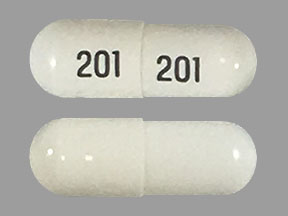
Quinine Sulfate
quiNINE Sulfate 324MG
What is Quinine Sulfate?
Quinine sulfate is a medication primarily used to treat malaria, a disease caused by parasites transmitted through the bite of infected mosquitoes. It functions as an antimalarial agent by inhibiting the replication of malaria parasites in the blood, alleviating symptoms such as fever and chills. Additionally, it has been historically used to treat nocturnal leg cramps, though this use is generally not recommended due to potential side effects.Side Effects
- Nausea, vomiting, diarrhea, severe itching, bleeding from your gums or nose
- Shaking, trembling, sweating, hunger, confusion
- Fever, chills, cough, sore throat, body aches
Warnings
- Keep all medicine out of the reach of children. Never share your medicine with anyone.
- Fever, chills, cough, sore throat, body aches
- Nausea, vomiting, diarrhea, severe itching, or bleeding from your gums or nose
- Pinpoint red or purple spots under your skin
- Severe stomach cramps
Prescription savings · · · ·
What is Quinine Sulfate ?
Quinine sulfate is a medication primarily used to treat malaria, a disease caused by parasites transmitted through the bite of infected mosquitoes. It functions as an antimalarial agent by inhibiting the replication of malaria parasites in the blood, alleviating symptoms such as fever and chills. Additionally, it has been historically used to treat nocturnal leg cramps, though this use is generally not recommended due to potential side effects.- Nausea, vomiting, diarrhea, severe itching, bleeding from your gums or nose
- Shaking, trembling, sweating, hunger, confusion
- Fever, chills, cough, sore throat, body aches
- Severe stomach cramps
- Dark urine, decrease in how much or how often you urinate
- Warmth or redness in your face, neck, arms, or upper chest
- Fainting, dizziness, lightheadedness
- Unusual bleeding, bruising, or weakness
- Pinpoint red or purple spots under your skin
- Chest pain, trouble breathing, increased sweating
- Fast, pounding, or uneven heartbeat
- Allergic reaction: Itching or hives, swelling in your face or hands, swelling or tingling in your mouth or throat, chest tightness, trouble breathing
- Blistering, peeling, or red skin rash
- Blurred vision, loss of vision, changes in how you see color
- Keep all medicine out of the reach of children. Never share your medicine with anyone.
- Fever, chills, cough, sore throat, body aches
- Nausea, vomiting, diarrhea, severe itching, or bleeding from your gums or nose
- Pinpoint red or purple spots under your skin
- Severe stomach cramps
- Unusual bleeding, bruising, or weakness
- Warmth or redness in your face, neck, arms, or upper chest
- Tell your doctor if you are pregnant or breastfeeding, or if you have kidney disease, liver disease, heart disease, heart rhythm problems, G6PD deficiency, or low blood sugar.
- This medicine may cause the following problems:Kidney problemsSerious skin reactionsLow blood sugar levels
- Tell your doctor right away if you have any changes to your heart rhythm. You might feel faint, dizzy, or lightheaded, or you might have a fast, pounding, or uneven heartbeat. Make sure your doctor knows if you or anyone in your family has ever had a heart rhythm problem (including QT prolongation, a slow heartbeat, or atrial fibrillation).
- This medicine may make you bleed, bruise, or get infections more easily. Take precautions to prevent illness and injury. Wash your hands often.
- Tell any doctor or dentist who treats you that you are using this medicine. This medicine may affect certain medical test results.
- This medicine could cause infertility. Talk with your doctor before using this medicine if you plan to have children.
- Your doctor will do lab tests at regular visits to check on the effects of this medicine. Keep all appointments.
Quinine Sulfate Coupons & Prices
quiNINE Sulfate 324MG

Weight-loss medication, prescribed online
Licensed U.S. providers · No insurance needed · Shipped to your door
Quinine Sulfate prices by dosage
Lowest cash price with a free Rx.com coupon vs. the average retail price.
| Dosage | Quantity | Retail price | Rx.com price |
|---|---|---|---|
| 324mg · Capsule | 30 | $219.99 | $31.97 |
Cash prices near ZIP 77433; updated regularly. Actual pharmacy price may vary.
Related Drugs
Browse more medications: starting with Q · full A-Z directory · by condition · common drugs
Medical disclaimer: This information is provided for general educational purposes only and is not medical advice. It is not a substitute for professional diagnosis or treatment. Always consult a licensed physician, pharmacist, or other qualified healthcare provider before starting, stopping, or changing any medication or treatment. Never disregard professional medical advice or delay seeking it because of something you read here. If you think you may have a medical emergency, call your doctor or 911 immediately.


