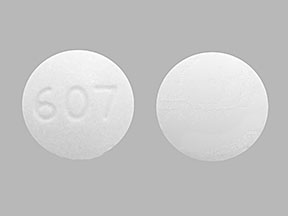
Disulfiram
Disulfiram 250MG
What is Disulfiram?
Antabuse is an alcohol dependence drug used to treat alcoholism. Disulfiram is the generic version of Antabuse. Antabuse costs around $233 for a supply of 30, 250 mg tablets, but luckily there are ways to save money. You can use our Rx.com Antabuse savings card to save significantly on the retail price at participating pharmacies near you.Side Effects
- Skin rash or itching
- Yellow eyes or skin
- Blurred vision
Warnings
- This medicine may make you dizzy or drowsy. Avoid driving, using machines, or doing anything else that could be dangerous if you are not alert.
- Make sure your doctor knows if you are pregnant or breastfeeding, or if you have heart disease, kidney disease, liver disease, diabetes, epilepsy, thyroid problems, or mental illness, or if you are allergic to rubber or latex.
- If you consume alcohol while using disulfiram, you will have a reaction that can include: throbbing pain in the head and neck, trouble breathing, nausea and vomiting, sweating, flushing, thirst, chest pain, a fast or pounding heartbeat, lightheadedness or fainting, weakness, blurred vision, confusion, or dizziness. This reaction can last for 30 minutes to several hours. The more alcohol you consume, the worse a reaction will be. A severe reaction can result in death.
- You may still have an alcohol reaction if you consume alcohol for up to 2 weeks after you stop taking disulfiram.
- Make sure any doctor or dentist who treats you knows that you are using this medicine. You should carry an identification card or wear a medical alert bracelet to let others know you are taking disulfiram.
Prescription savings · · · ·
What is Disulfiram ?
Antabuse is an alcohol dependence drug used to treat alcoholism. Disulfiram is the generic version of Antabuse. Antabuse costs around $233 for a supply of 30, 250 mg tablets, but luckily there are ways to save money. You can use our Rx.com Antabuse savings card to save significantly on the retail price at participating pharmacies near you.- Skin rash or itching
- Yellow eyes or skin
- Blurred vision
- Numbness or tingling in the hands, legs, or feet
- Severe stomach pain, especially in the upper abdomen
- This medicine may make you dizzy or drowsy. Avoid driving, using machines, or doing anything else that could be dangerous if you are not alert.
- Make sure your doctor knows if you are pregnant or breastfeeding, or if you have heart disease, kidney disease, liver disease, diabetes, epilepsy, thyroid problems, or mental illness, or if you are allergic to rubber or latex.
- If you consume alcohol while using disulfiram, you will have a reaction that can include: throbbing pain in the head and neck, trouble breathing, nausea and vomiting, sweating, flushing, thirst, chest pain, a fast or pounding heartbeat, lightheadedness or fainting, weakness, blurred vision, confusion, or dizziness. This reaction can last for 30 minutes to several hours. The more alcohol you consume, the worse a reaction will be. A severe reaction can result in death.
- You may still have an alcohol reaction if you consume alcohol for up to 2 weeks after you stop taking disulfiram.
- Make sure any doctor or dentist who treats you knows that you are using this medicine. You should carry an identification card or wear a medical alert bracelet to let others know you are taking disulfiram.
- Your doctor will need to check your progress at regular visits while you are using this medicine. Be sure to keep all appointments.
Disulfiram Coupons & Prices
Disulfiram 250MG

Weight-loss medication, prescribed online
Licensed U.S. providers · No insurance needed · Shipped to your door
Disulfiram prices by dosage
Lowest cash price with a free Rx.com coupon vs. the average retail price.
| Dosage | Quantity | Retail price | Rx.com price |
|---|---|---|---|
| 250mg · Tablet | 30 | $79.39 | $43.63 |
| 500mg · Tablet | 30 | $585.32 | $198.47 |
Cash prices near ZIP 77433; updated regularly. Actual pharmacy price may vary.
Use a free Rx.com disulfiram coupon to compare cash prices at pharmacies near you before you fill. Disulfiram is the generic form of the alcohol-deterrent medicine once sold in the U.S. under the brand name Antabuse (that brand is no longer marketed here, so the generic is what pharmacies dispense). Cash prices for generic disulfiram vary by pharmacy, sometimes a lot, even between stores across the street from each other. Rx.com compares prices at more than 60,000 pharmacies, so you can see who is charging what today. Enter your ZIP code above to see today's price and print, text, or email your coupon.
What is disulfiram and how does it work?
Disulfiram is an aldehyde dehydrogenase (ALDH) inhibitor, a type of alcohol-aversion or alcohol-deterrent medicine. It is FDA-approved as an aid in the management of selected patients with chronic alcohol use disorder who want to stay in a state of enforced sobriety, so that counseling and other supportive treatment can work better. It is not a cure for alcoholism, and it is meant to be used as one part of a treatment plan alongside therapy, in patients who are motivated to stop drinking.
Your body normally breaks alcohol down into a substance called acetaldehyde and then clears it. Disulfiram blocks that second step, so if you drink, acetaldehyde builds up to roughly 5 to 10 times normal levels. That causes the deliberately unpleasant "disulfiram-alcohol reaction": flushing, a throbbing headache, nausea and vomiting, sweating, chest pain, a racing heartbeat, and low blood pressure. It typically starts within about 10 minutes of drinking and can last an hour or more. Sensitivity to alcohol lasts for up to 14 days after your last dose. Tablets come in 250 mg and 500 mg strengths. On the label, the first phase of treatment is a maximum of 500 mg daily as a single dose for one to two weeks, followed by an average maintenance dose of 250 mg daily (range 125 mg to 500 mg), not to exceed 500 mg daily. Your prescriber decides the right dose for you. Disulfiram is not a controlled substance.
Disulfiram cost without insurance and how to save
Disulfiram is an older generic. There is no brand version left to buy in the U.S. and no manufacturer savings card for it. That does not mean every pharmacy charges the same thing. Cash prices for the same generic tablet routinely differ from pharmacy to pharmacy in the same town, which is exactly why comparing before you fill is worth the two minutes.
Here is how to get the lowest cash price:
- Enter your ZIP code above to see today's disulfiram price at pharmacies near you. Rx.com compares more than 60,000 pharmacies.
- Check both the 250 mg and 500 mg tablet, and ask your prescriber whether a 30-day or 90-day supply makes sense for you. Larger fills often cost less per tablet.
- Bring your free Rx.com coupon to the counter and ask the pharmacist to run it as the cash price. A discount coupon is not insurance, and you cannot combine it with your insurance benefit on the same fill, but sometimes the coupon price beats a copay.
- Compare a couple of pharmacies rather than defaulting to the one nearest you.
Disulfiram vs. other alcohol use disorder medicines
Disulfiram works differently from the other medicines used for alcohol use disorder. It does not reduce cravings; it creates a strong physical deterrent to drinking. Because of that, it tends to be considered for people who are already committed to abstinence and who have support and supervision in place. Other options your prescriber may discuss include:
- naltrexone tablets (formerly sold under the brand ReVia, which is no longer marketed in the U.S.; only generic naltrexone tablets are dispensed today). Naltrexone works on the brain's reward pathway to reduce the urge to drink and the reward from drinking. It is also available as Vivitrol, a brand-only long-acting monthly injection given by a healthcare provider.
- acamprosate delayed-release tablets (formerly sold under the brand Campral, which is also no longer marketed in the U.S.; only the generic is dispensed today), which is taken after you have already stopped drinking and is used to help support ongoing abstinence.
- topiramate, which some clinicians use in this setting; talk with your prescriber about whether it fits your situation.
There is no single "best" medicine for everyone. The right choice depends on your health history, your liver, other medicines you take, whether you have already stopped drinking, and your goals. This is a conversation to have with your prescriber, not a decision to make from a price page. The oral medicines above are dispensed as generics, and the Vivitrol injection is brand-only. Prices vary by pharmacy, so it is worth comparing whichever one you are prescribed.
Disulfiram safety, warnings, and what to avoid
Disulfiram's label carries a prominent warning: it should never be given to a person who is in a state of alcohol intoxication, or without that person's full knowledge. Drinking alcohol while taking it, or for up to about two weeks after the last dose, causes the disulfiram-alcohol reaction described above. In severe cases that reaction can lead to breathing problems, abnormal heart rhythms, heart attack, seizures, or death. Disulfiram should not be used by people who have recently had alcohol, who are taking metronidazole or paraldehyde, who are exposed to alcohol-containing preparations, who have severe heart muscle disease or coronary occlusion, who have psychosis, or who are allergic to disulfiram or to thiuram derivatives (found in rubber). It is not for use in pregnancy unless clearly needed.
Severe and sometimes fatal liver inflammation (hepatitis) has occurred, even after months of treatment, so baseline and periodic liver blood tests are recommended. Tell your prescriber right away about unusual tiredness, loss of appetite, nausea or vomiting, yellowing of the skin or eyes, or dark urine. Other reported effects include optic neuritis (eye nerve inflammation), nerve pain or numbness in the hands and feet, psychotic reactions, drowsiness, a metallic or garlic-like aftertaste, and an acne-like rash. Disulfiram raises phenytoin levels, prolongs prothrombin time in people taking warfarin (so anticoagulant dosing may need adjusting), and can cause unsteady walking or changes in thinking when combined with isoniazid, so keep your full medication list current with your prescriber and pharmacist. You also need to avoid hidden alcohol in products such as cough syrups, tonics, mouthwash, vinegars and sauces, aftershave and cologne, hand sanitizers, and other alcohol-containing skin products. Carry an identification card noting that you take disulfiram. This page is general information, not medical advice; talk with your doctor or pharmacist about your own situation.
This Disulfiram information was written and reviewed against authoritative U.S. medical sources — MedlinePlus (U.S. National Library of Medicine), DailyMed, and FDA prescribing information — and checked for accuracy. It is provided for education and is not a substitute for professional medical advice.
Verify the official label: Disulfiram on DailyMed (FDA)
Reviewed against FDA labeling · Last reviewed July 2026
Related Drugs
Browse more medications: starting with D · full A-Z directory · by condition · common drugs
Medical disclaimer: This information is provided for general educational purposes only and is not medical advice. It is not a substitute for professional diagnosis or treatment. Always consult a licensed physician, pharmacist, or other qualified healthcare provider before starting, stopping, or changing any medication or treatment. Never disregard professional medical advice or delay seeking it because of something you read here. If you think you may have a medical emergency, call your doctor or 911 immediately.


