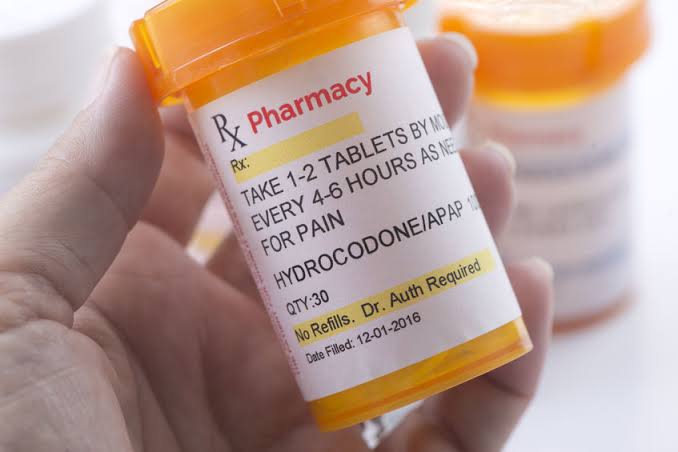
Hydrocodone-Acetaminophen
Hydrocodone Acetaminophen
What is Hydrocodone-Acetaminophen?
Hydrocodone-Acetaminophen is a prescription opioid pain medication used to manage moderate to moderately severe pain when other treatments are not sufficient. Combining hydrocodone, an opioid analgesic, with acetaminophen, a non-opioid pain reliever, this medication helps reduce pain and improve comfort for short-term and chronic pain conditions. Learn about Hydrocodone-Acetaminophen uses, dosage, side effects, risks, and important safety information.
Side Effects
- Dark urine or pale stools, loss of appetite, nausea or vomiting, stomach pain, yellow skin or eyes
- Changes in skin color, dark freckles, cold feeling, tiredness, weight loss
- Blistering, peeling, red skin rash
Warnings
- This medicine may cause constipation, especially with long-term use. Ask your doctor if you should use a laxative to prevent and treat constipation.
- This medicine could cause infertility. Talk with your doctor before using this medicine if you plan to have children.
- Keep all medicine out of the reach of children. Never share your medicine with anyone.
- Tell your doctor if you are pregnant or breastfeeding, or if you have kidney disease, liver disease, lung or breathing problems, gallbladder or pancreas problems, an underactive thyroid, adrenal problems, prostate problems, trouble urinating, stomach problems, or a history of head injury or brain tumor, seizures, alcohol or drug addiction.
- This medicine may cause the following problems: High risk of overdose, which can lead to deathRespiratory depression (serious breathing problem that can be life-threatening)Sleep-related breathing problems (including sleep apnea, sleep-related hypoxemia)Adrenal gland problemsLow blood pressureLiver problemsSerious skin reactions (including acute generalized exanthematous pustulosis, Stevens-Johnson syndrome, and toxic epidermal necrolysis)SeizuresSerotonin syndrome, when used with certain medicines
Prescription savings · · · ·
What is Hydrocodone-Acetaminophen ?
Hydrocodone-Acetaminophen is a prescription opioid pain medication used to manage moderate to moderately severe pain when other treatments are not sufficient. Combining hydrocodone, an opioid analgesic, with acetaminophen, a non-opioid pain reliever, this medication helps reduce pain and improve comfort for short-term and chronic pain conditions. Learn about Hydrocodone-Acetaminophen uses, dosage, side effects, risks, and important safety information.
- Dark urine or pale stools, loss of appetite, nausea or vomiting, stomach pain, yellow skin or eyes
- Changes in skin color, dark freckles, cold feeling, tiredness, weight loss
- Blistering, peeling, red skin rash
- Blue lips, fingernails, or skin
- Extreme weakness, shallow breathing, slow heartbeat, sweating, seizures, cold or clammy skin
- Lightheadedness, dizziness, fainting
- Allergic reaction: Itching or hives, swelling in your face or hands, swelling or tingling in your mouth or throat, chest tightness, trouble breathing
- Anxiety, restlessness, fast heartbeat, fever, muscle spasms, twitching, diarrhea, seeing or hearing things that are not there
- This medicine may cause constipation, especially with long-term use. Ask your doctor if you should use a laxative to prevent and treat constipation.
- This medicine could cause infertility. Talk with your doctor before using this medicine if you plan to have children.
- Keep all medicine out of the reach of children. Never share your medicine with anyone.
- Tell your doctor if you are pregnant or breastfeeding, or if you have kidney disease, liver disease, lung or breathing problems, gallbladder or pancreas problems, an underactive thyroid, adrenal problems, prostate problems, trouble urinating, stomach problems, or a history of head injury or brain tumor, seizures, alcohol or drug addiction.
- This medicine may cause the following problems: High risk of overdose, which can lead to deathRespiratory depression (serious breathing problem that can be life-threatening)Sleep-related breathing problems (including sleep apnea, sleep-related hypoxemia)Adrenal gland problemsLow blood pressureLiver problemsSerious skin reactions (including acute generalized exanthematous pustulosis, Stevens-Johnson syndrome, and toxic epidermal necrolysis)SeizuresSerotonin syndrome, when used with certain medicines
- This medicine can be habit-forming. Do not use more than your prescribed dose. Call your doctor if you think your medicine is not working.
- This medicine may make you dizzy or drowsy. Do not drive or doing anything else that could be dangerous until you know how this medicine affects you.
- This medicine contains acetaminophen. Read the labels of all other medicines you are using to see if they also contain acetaminophen, or ask your doctor or pharmacist. Do not use more than 4 grams (4,000 milligrams) total of acetaminophen in one day.
- Do not stop using this medicine suddenly. Your doctor will need to slowly decrease your dose before you stop it completely.
- Tell any doctor or dentist who treats you that you are using this medicine. This medicine may affect certain medical test results.
Hydrocodone-Acetaminophen Coupons & Prices
Hydrocodone Acetaminophen
4 ED medications in one dose
Sildenafil, tadalafil, apomorphine & L-Citrulline · Works in ~15 min · Lasts up to 36 hours
Looking for a hydrocodone-acetaminophen coupon? Hydrocodone-acetaminophen is the generic version of Norco, Vicodin, Lortab, and Lorcet, so it is already far less expensive than the brand-name products. Even so, the cash price for this generic can vary widely from one pharmacy to the next, which is why comparing before you fill is worth your time. Rx.com checks live prices across more than 60,000 U.S. pharmacies and gives you a free discount coupon you can use even without insurance. Enter your ZIP above to see today's price near you.
What is hydrocodone-acetaminophen and how does it work?
Hydrocodone-acetaminophen combines two pain relievers in one tablet or oral solution: hydrocodone bitartrate, an opioid (narcotic) analgesic, and acetaminophen, a non-opioid pain reliever and fever reducer. The opioid works in the brain and nervous system to change how the body senses pain, while the acetaminophen adds additional pain relief. It is FDA-approved for the management of pain severe enough to require an opioid, when other treatments are not enough. Doctors most often prescribe it for short-term, moderate-to-severe pain, such as after a dental procedure, surgery, or an injury.
You may see it sold under brand names including Norco, Vicodin, Lortab, Lorcet, Xodol, and Hycet (oral solution); many older brands have been discontinued. This page is educational information, not medical advice. Always take it exactly as your prescriber directs.
Hydrocodone-acetaminophen cost and coupons without insurance
Because hydrocodone-acetaminophen is available as a generic, it is generally one of the more affordable prescription pain medicines, and there is no brand-name premium to pay. There is no manufacturer savings card for this generic. The most reliable way to lower your cost is simply to compare pharmacies, because the cash price for the exact same prescription can differ a lot between stores, even in the same town.
Rx.com compares live cash prices at more than 60,000 pharmacies and provides a free discount coupon that anyone can use, with or without insurance. Enter your ZIP above to see today's price near you, then show the coupon at the pharmacy counter. If you have insurance, it is worth comparing your copay against the coupon price and using whichever is lower.
Related medicines and alternatives
Hydrocodone-acetaminophen is one of several combination and single-ingredient pain relievers. Only your prescriber can decide which is appropriate for you, but people researching this drug often compare it with:
- oxycodone-acetaminophen — another opioid combined with acetaminophen (brand Percocet)
- codeine-acetaminophen — a lower-potency opioid combination
- tramadol — an opioid analgesic used for moderate pain
- hydrocodone — the opioid component on its own
- oxycodone — a related opioid analgesic
- acetaminophen — the non-opioid ingredient, available over the counter
Each of these has its own price range, so it is worth checking the current price for whatever your doctor prescribes.
Safety, warnings, and side effects
Hydrocodone-acetaminophen carries serious boxed warnings. Opioids like hydrocodone can lead to addiction, abuse, and misuse even at recommended doses, which can cause overdose and death, and a REMS safety program is required. It can also cause life-threatening slowed breathing (respiratory depression), especially when you first start or increase the dose. Accidental swallowing, especially by a child, can be fatal, so store it out of reach and locked away. Using it during pregnancy for a prolonged time can cause opioid withdrawal in the newborn. Combining it with benzodiazepines, alcohol, or other central nervous system depressants can cause extreme sleepiness, dangerously slowed breathing, coma, and death.
Because it contains acetaminophen, taking too much, or combining it with other acetaminophen-containing products or alcohol, can cause severe liver damage or liver failure. Do not exceed the maximum daily acetaminophen dose. Common side effects include drowsiness, dizziness or lightheadedness, nausea, vomiting, and constipation. This is general information and not a substitute for your prescriber's or pharmacist's advice. Talk with them about all the medicines you take, and call your doctor or seek emergency care if you have very slow or shallow breathing, extreme drowsiness, or signs of liver trouble.
This Hydrocodone-Acetaminophen information was written and reviewed against authoritative U.S. medical sources — MedlinePlus (U.S. National Library of Medicine), DailyMed, and FDA prescribing information — and checked for accuracy. It is provided for education and is not a substitute for professional medical advice.
Verify the official label: Hydrocodone-Acetaminophen on DailyMed (FDA)
Reviewed against FDA labeling · Last reviewed July 2026
Related Drugs
Browse more medications: starting with H · full A-Z directory · by condition · common drugs
Medical disclaimer: This information is provided for general educational purposes only and is not medical advice. It is not a substitute for professional diagnosis or treatment. Always consult a licensed physician, pharmacist, or other qualified healthcare provider before starting, stopping, or changing any medication or treatment. Never disregard professional medical advice or delay seeking it because of something you read here. If you think you may have a medical emergency, call your doctor or 911 immediately.


