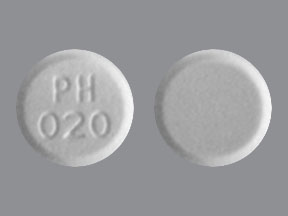
Acetaminophen
Acetaminophen 100 Tablets
¿Qué es Acetaminophen?
Acetaminofén Extra Fuerte es un medicamento utilizado para aliviar el dolor leve a moderado y reducir la fiebre. Se usa comúnmente para dolores de cabeza, dolores musculares y otras molestias.Side Effects
- Dark urine or pale stools, nausea, vomiting, loss of appetite, severe stomach pain, yellow skin or eyes
- Unusual bleeding or bruising
- Allergic reaction: Itching or hives, swelling in your face or hands, swelling or tingling in your mouth or throat, chest tightness, trouble breathing
Warnings
- Tell your doctor if you are pregnant or breastfeeding, or if you have kidney or liver disease. Tell your doctor if you have phenylketonuria (PKU). Some brands of acetaminophen contain aspartame, which can make PKU worse.
- This medicine contains acetaminophen. Read the labels of all other medicines you are using to see if they also contain acetaminophen, or ask your doctor or pharmacist. Do not use more than 4 grams (4,000 milligrams) total of acetaminophen in one day. For Tylenol® Extra Strength, it is not safe to take more than 3 grams (3,000 milligrams) in 1 day.
- Call your doctor if your symptoms do not improve or if they get worse.
- Tell any doctor or dentist who treats you that you are using this medicine. This medicine may affect certain medical test results.
- Keep all medicine out of the reach of children. Never share your medicine with anyone.
Prescription savings · ·
¿Qué es Acetaminophen ?
Acetaminofén Extra Fuerte es un medicamento utilizado para aliviar el dolor leve a moderado y reducir la fiebre. Se usa comúnmente para dolores de cabeza, dolores musculares y otras molestias.Source: MedlinePlus, Biblioteca Nacional de Medicina de EE. UU.
Acetaminophen Cupones y Precios - Rx.com
Acetaminophen 100 Tablets
4 ED medications in one dose
Apomorphine, sildenafil, tadalafil & vardenafil · One sublingual dose · Free express shipping
Acetaminophen prices by dosage
Lowest cash price with a free Rx.com coupon vs. the average retail price.
| Dosis | Cantidad | Retail price | Rx.com price |
|---|---|---|---|
| 20 tablets · Bottle | 20 | $12.66 | $5.44 |
| 24 tablets · Bottle | 60 | $12.99 | $6.81 |
| 30 tablets · Bottle | 30 | $5.99 | $5.36 |
| 30 tablets chewable · Bottle | 30 | $9.99 | $5.27 |
| 40 tablets · Bottle | 40 | $15.69 | $7.89 |
| 50 tablets · Bottle | 30 | $9.99 | $4.75 |
| 60 tablets · Bottle | 30 | — | $4.63 |
| 90 tablets · Bottle | 90 | $5.99 | $5.30 |
Cash prices near ZIP 77433; updated regularly. Actual pharmacy price may vary.
El acetaminofén es uno de los analgésicos y reductores de fiebre no opioides más utilizados en los Estados Unidos, vendido sin receta bajo marcas como Tylenol, Mapap y Panadol, y en productos combinados de venta con receta. Aunque muchas versiones son económicas en la caja, puede usar un cupón de acetaminofén gratuito de Rx.com para comparar los precios de las farmacias cerca de usted, y ciertas formas de concentración con receta o combinadas pueden costar menos con un cupón. Ingrese su código postal arriba para ver el precio de hoy en las farmacias de su área.
¿Qué es el acetaminofén y cómo funciona?
El acetaminofén es un analgésico (aliviador del dolor) y antipirético (reductor de fiebre) de la clase para-aminofenol. A diferencia del ibuprofeno, la aspirina y el naproxeno, no es un AINE y no es un opioide. Se cree que actúa principalmente en el sistema nervioso central para reducir la sensación de dolor y bajar la fiebre, sin los efectos antiinflamatorios ni anticoagulantes que tienen los AINE. Se usa para el dolor leve a moderado, como dolor de cabeza, dolores musculares, dolor de espalda, dolor de muelas, cólicos menstruales y los dolores de la artritis y la osteoartritis, y para bajar la fiebre.
El acetaminofén viene en muchas formas: tabletas orales, cápsulas, gelcaps, masticables, líquidos, supositorios rectales (FeverAll) y una forma intravenosa de venta con receta (Ofirmev) que se administra en hospitales para el dolor y la fiebre en pacientes de 2 años en adelante. También se combina con opioides en productos de venta con receta como hydrocodone-acetaminophen y oxycodone-acetaminophen para un alivio del dolor más fuerte.
Cómo ahorrar en acetaminofén con un cupón de Rx.com
La mayoría del acetaminofén oral se vende sin receta y no requiere una prescripción. Debido a que es tan común, los precios suelen ser bajos, pero aun así varían de una farmacia a otra, y los frascos más grandes, los pedidos de concentración con receta o los productos combinados pueden acumularse. Un cupón de descuento gratuito de Rx.com le permite comparar lo que cobra cada farmacia cerca de usted para que pueda elegir el precio más bajo. Ingrese su código postal arriba para ver el precio de hoy en su área.
No existe una tarjeta de copago del fabricante para el acetaminofén porque es un genérico de bajo costo vendido bajo muchas marcas. En cambio, el ahorro proviene de comparar precios, elegir acetaminofén genérico de marca propia de la tienda (que es químicamente igual al Tylenol de marca) y usar un cupón cuando supera el precio en efectivo o de estante. Si su proveedor le receta un producto combinado de venta solo con receta que contiene acetaminofén, se puede aplicar un cupón de Rx.com en el mostrador de la farmacia de la misma manera.
Acetaminofén frente a ibuprofeno, aspirina y naproxeno
El acetaminofén y los AINE tratan problemas que se superponen, pero funcionan de manera diferente. Los AINE como el ibuprofen, la aspirin y el naproxen reducen la inflamación y pueden ayudar con la hinchazón, los esguinces y el dolor inflamatorio, pero pueden irritar el estómago, elevar la presión arterial y afectar los riñones o el riesgo de sangrado. El acetaminofén no reduce la inflamación y es más suave para el estómago, lo que lo convierte en una opción común para las personas que no pueden tomar AINE. Su principal desventaja es el riesgo de daño hepático en dosis altas.
Algunas personas alternan el acetaminofén con un AINE bajo la orientación de un proveedor para un control más fuerte de la fiebre o el dolor, ya que el cuerpo procesa los dos de manera diferente. Cuál opción es mejor depende de su historial de salud, otros medicamentos y la causa de su dolor. Esta es información general, no consejo médico, así que hable con su farmacéutico o proveedor sobre la opción correcta para usted.
Seguridad del acetaminofén y riesgo hepático
La preocupación de seguridad más importante con el acetaminofén es el daño hepático. Tomar más de la cantidad recomendada puede causar una lesión hepática grave, a veces mortal, que puede requerir un trasplante de hígado. Para la mayoría de los adultos, el máximo es generalmente de 3,000 a 4,000 mg por día, con límites más bajos para las personas que tienen enfermedad hepática o que toman tres o más bebidas alcohólicas al día. Debido a que el acetaminofén está oculto en cientos de productos combinados de venta sin receta y con receta (medicamentos para el resfriado, la gripe, los senos nasales y el dolor con opioides), un peligro importante es la sobredosis accidental por combinar varios productos que cada uno lo contiene. Lea siempre las etiquetas y sume el total.
El alcohol aumenta el riesgo de lesión hepática, así que limítelo o evítelo mientras toma acetaminofén. Se han notificado reacciones cutáneas raras pero graves, incluidos el síndrome de Stevens-Johnson (SJS), la necrólisis epidérmica tóxica (NET) y la pustulosis exantemática generalizada aguda (PEGA); suspenda el medicamento y busque atención si desarrolla una erupción o ampollas. La sobredosis es una emergencia médica que se trata con un antídoto llamado N-acetilcisteína, y funciona mejor cuando se inicia temprano, así que llame a Control de Envenenamiento o busque atención de emergencia de inmediato incluso si se siente bien. Esta es información general; siga las instrucciones de su proveedor.
La información sobre Acetaminophen fue redactada y revisada con base en fuentes médicas autorizadas de EE. UU. (MedlinePlus, de la Biblioteca Nacional de Medicina de EE. UU.; DailyMed; y la información de prescripción de la FDA) y verificada para asegurar su precisión. Se ofrece con fines educativos y no sustituye el consejo médico profesional.
Consulte la etiqueta oficial: Acetaminophen en DailyMed (FDA)
Revisado con base en el etiquetado de la FDA · Última revisión: julio de 2026
Acetaminophen — Articles & Guides
8 articles





Medicamentos Relacionados
Browse more medications: starting with A · full A-Z directory · by condition · common drugs
Medical disclaimer: This information is provided for general educational purposes only and is not medical advice. It is not a substitute for professional diagnosis or treatment. Always consult a licensed physician, pharmacist, or other qualified healthcare provider before starting, stopping, or changing any medication or treatment. Never disregard professional medical advice or delay seeking it because of something you read here. If you think you may have a medical emergency, call your doctor or 911 immediately.


