Testosterone Cypionate Injections (TRT)
Prescribed online. Provider guided. Shipped to your door.
Testosterone replacement therapy (TRT) restores testosterone to a normal range in men whose blood tests confirm it is low. In studies of men with low testosterone, treatment improved sex drive, mood, energy and bone density for many.
- U.S.-licensed providers
- Licensed U.S. pharmacies
- Discreet home delivery
Results vary. TRT is not for everyone and requires a medical evaluation and blood tests.
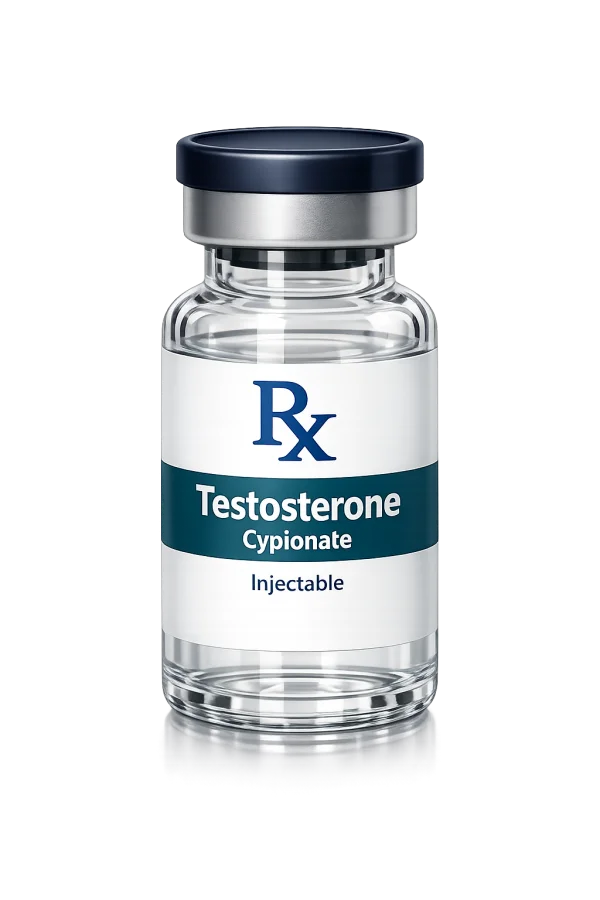
TRT
Provider-managed testosterone therapy, start to finish.
Testosterone cypionate injection
We'll email you the launch date and pricing. No spam.
How it works
- Confidential online health intake
- Blood tests to confirm low testosterone
- A U.S.-licensed provider decides if TRT is right for you
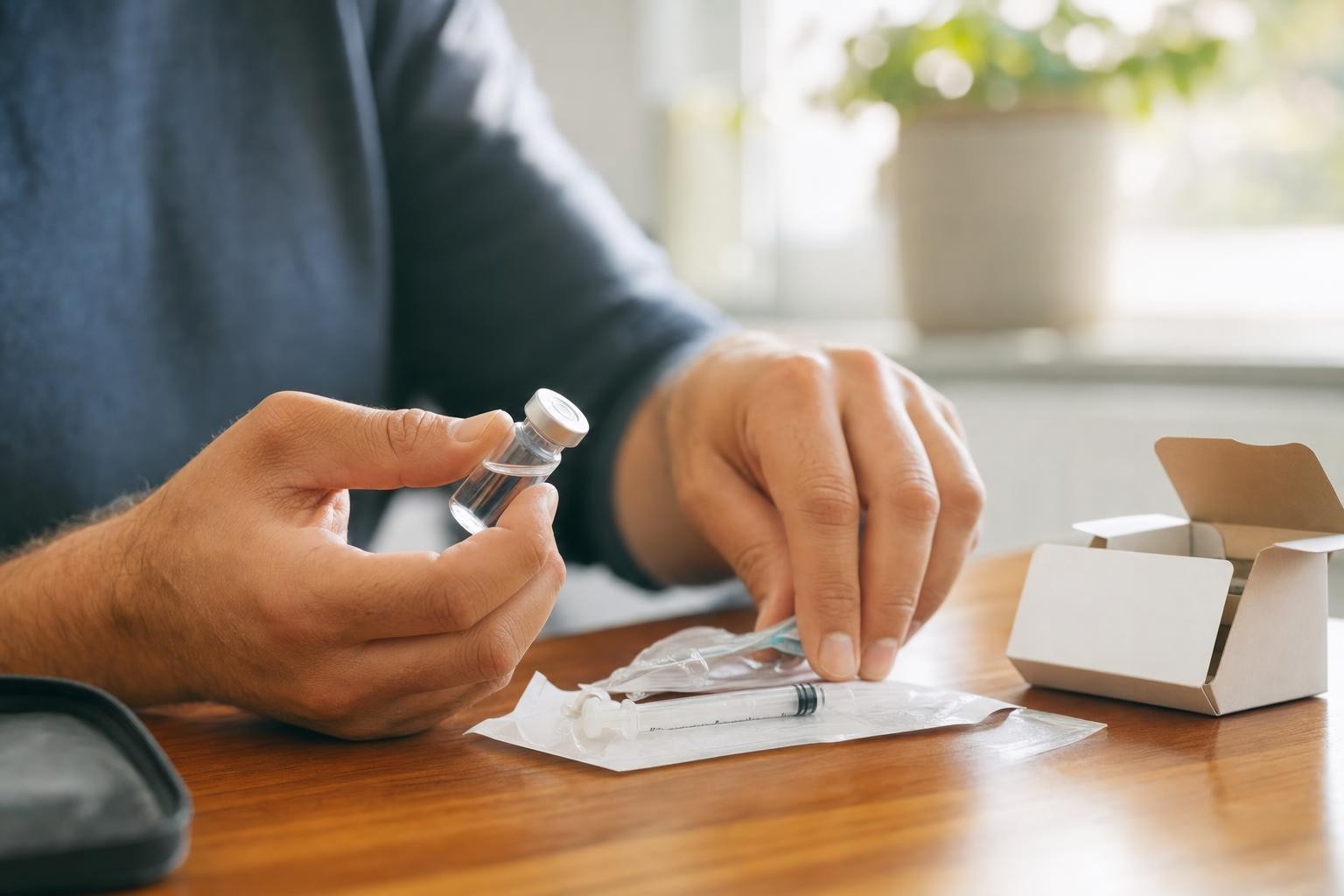
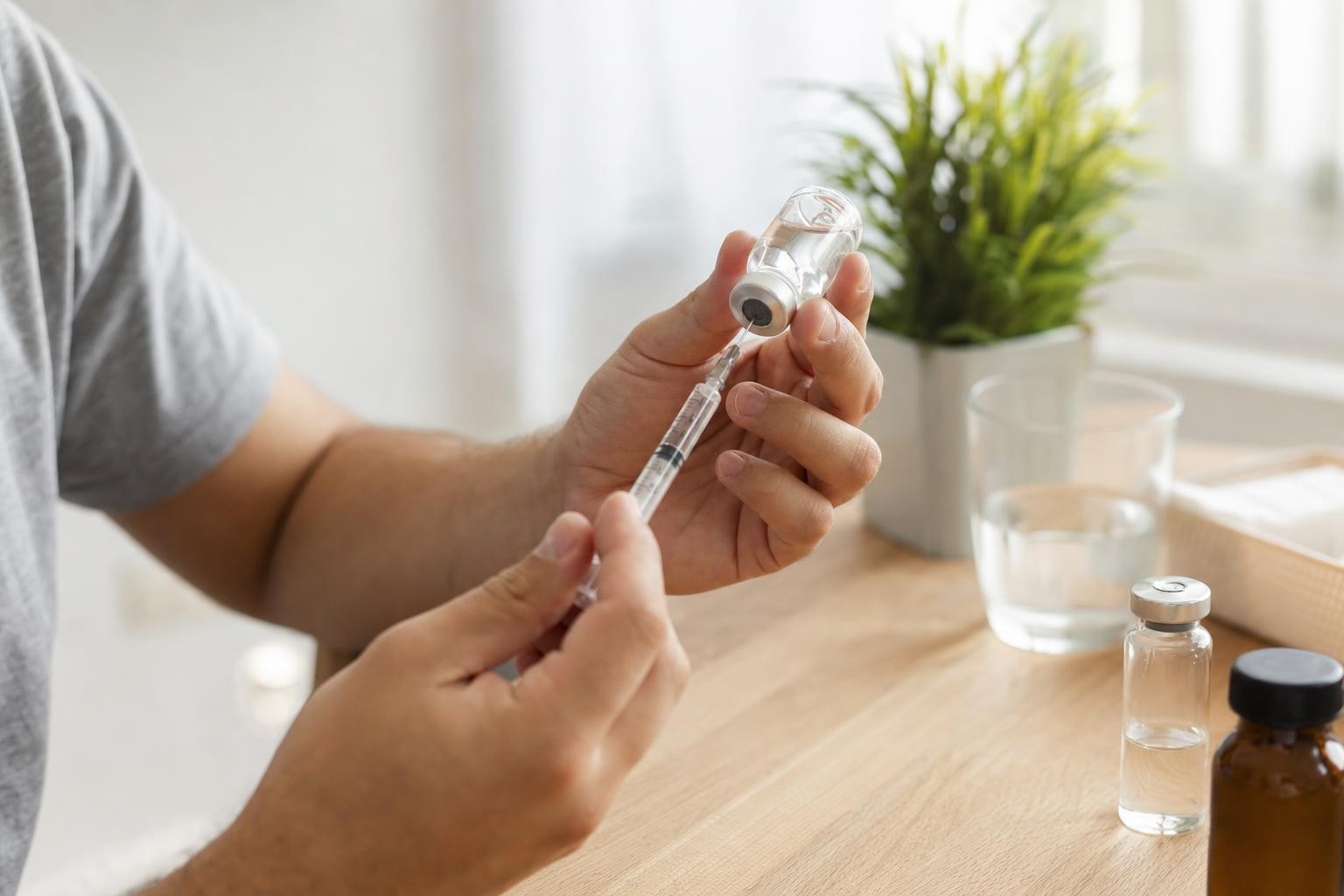
- If prescribed, shipped to your door for at-home injection
What is TRT?
Testosterone replacement therapy (TRT) is a prescription treatment for men with low testosterone caused by a medical condition, called hypogonadism. Testosterone affects sex drive, erections, energy, mood, muscle, fat and bone. When your body does not make enough, TRT replaces it.
Testosterone cypionate is the most commonly prescribed TRT injection in the U.S. It has been used for decades, and the dose can be adjusted over time based on how you feel and on your blood tests.
Not sure if your levels are low? Read about how low testosterone shows up or how telehealth treats low testosterone.
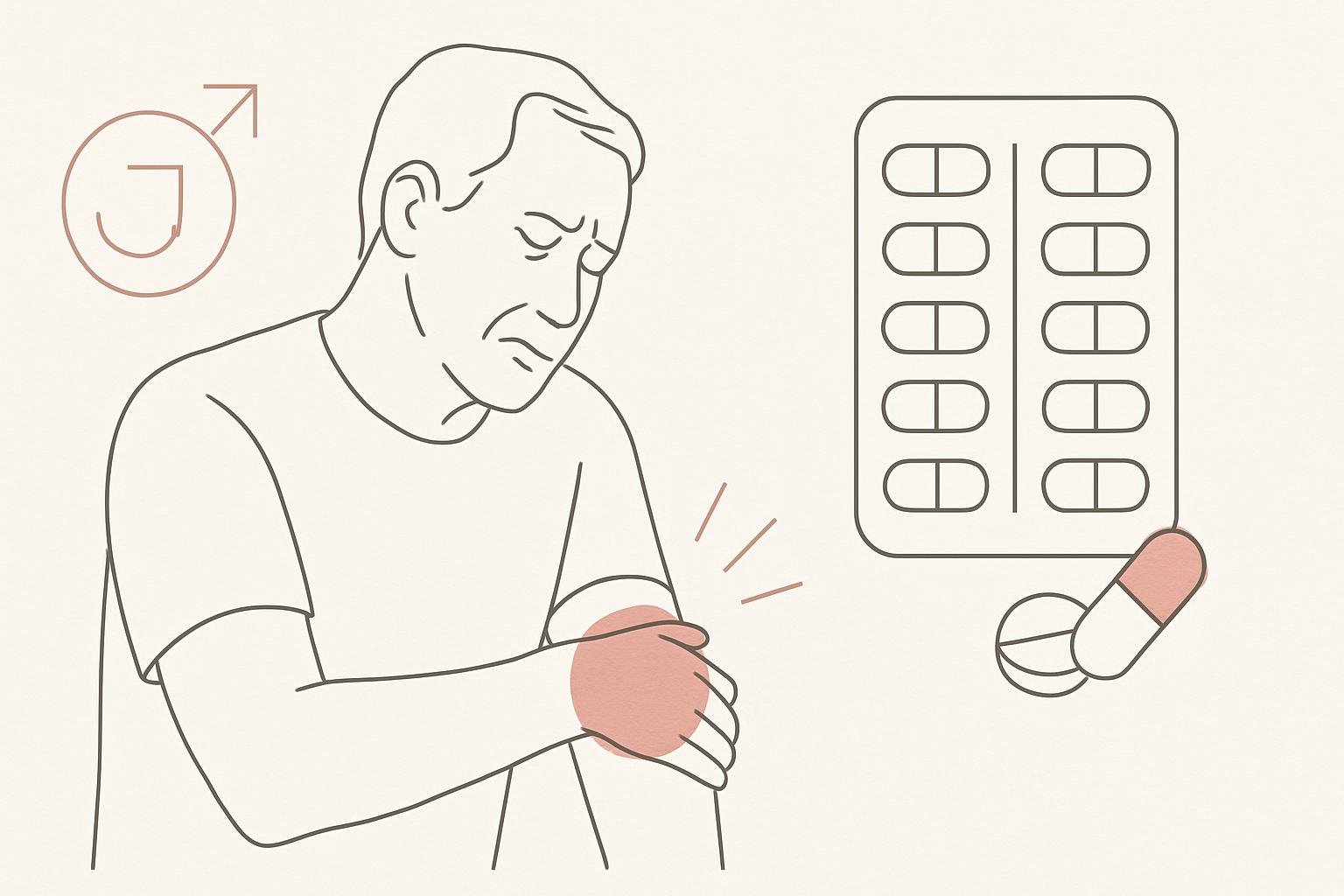
Common symptoms of low testosterone
- Low sex drive
- Erectile problems
- Fatigue and low energy
- Low or depressed mood
- Loss of muscle mass
- More body fat
- Trouble concentrating
- Lower bone density
These symptoms have many possible causes. Only blood tests can confirm low testosterone.
How TRT can help
In men with confirmed low testosterone, restoring normal levels may improve how you feel day to day. Results vary from person to person.
Sex drive and sexual function
Libido is one of the most consistent improvements seen in clinical trials of men with low testosterone. If erectile problems continue, a provider can talk with you about ED treatment.
Mood and energy
Many men with low testosterone report better mood and less fatigue once levels are back in range. Sleep, stress and other health conditions still play a big part.
Muscle and bone
TRT can help maintain lean muscle and improve bone density in men with low testosterone. It is not a shortcut: training, protein and sleep still do the work.
Results vary. TRT is approved for men with low testosterone caused by a medical condition, not for age-related decline alone.
Testosterone therapy from home
A U.S.-licensed provider reviews your health history and blood work and decides your treatment. If TRT is not right for you, you are not prescribed it.
- STEP 01
Start online
Choose TRT and answer a short, confidential health intake.
- STEP 02
Share your history
Symptoms, medications and health conditions, including any plans to have children.
- STEP 03
Blood tests
Early-morning testosterone tests confirm whether your levels are low.
- STEP 04
Provider review
A licensed provider reviews everything and sets your dose if TRT fits.
- STEP 05
Delivered
If prescribed, a licensed U.S. pharmacy ships your medication to your door.

Monitored, not just prescribed
TRT is a long-term treatment, and safe TRT means regular check-ins. Providers track your testosterone level, your red blood cell count (hematocrit) and your PSA, and adjust your dose based on how you feel and what your labs show.
- Dose set and adjusted by your provider
- Follow-up blood tests to keep levels in range
- Fertility discussed before you start
Online TRT vs. a local clinic
Both can be good care. Here is how the experience differs.
| What matters | Rx.com online TRT | Typical in-person clinic |
|---|---|---|
| Visits | Online, from home, on your schedule | In the office, during clinic hours |
| Injections | At home, after you learn how | Often in the clinic, every week or two |
| Medication | Shipped to your door by a licensed U.S. pharmacy | Picked up at a pharmacy or given in office |
| Prescriber | U.S.-licensed provider | Physician, NP or PA |
| Insurance | Not needed | Varies; many clinics are cash-only memberships |
About testosterone cypionate TRT
What is TRT?
What medication will Rx.com use for TRT?
Who qualifies for TRT?
Will TRT affect my fertility?
What are the possible side effects?
Is testosterone legal to buy online?
When does Rx.com TRT launch?
I already have a testosterone prescription. What is cheapest?
Important safety information
Testosterone is a controlled substance (Schedule III) and is available only with a prescription. Do not use testosterone if you have or may have prostate cancer or male breast cancer. It is not for women or children. Testosterone can raise your red blood cell count, which may increase the risk of blood clots, can worsen sleep apnea, and can lower sperm count and fertility. Your provider will check your blood work before and during treatment.
Get emergency care right away for chest pain, shortness of breath or trouble breathing, pain or swelling in one leg, or sudden weakness, numbness or trouble speaking.
Prescription required. Medications are only prescribed when clinically appropriate after an evaluation by a licensed independent provider. Rx.com provides the technology platform and does not practice medicine. Individual results vary.
More men's health care from Rx.com
Provider-guided GLP-1 weight-loss treatment, shipped to you.
See program → EDErectile dysfunctionGeneric sildenafil and tadalafil, prescribed online.
See program → HAIRHair lossFinasteride and minoxidil options for thinning hair.
See program → LONGEVITYNAD+ injectionsAt-home NAD+ injections, prescribed online.
See program →
Testosterone Cypionate
Testosterone Cypionate 1ML of 200MG/ML
What is Testosterone Cypionate?
Testosterone Cypionate is a prescription injectable testosterone replacement therapy (TRT) medication used to treat low testosterone levels in men with hypogonadism. By restoring healthy testosterone levels, it may help improve energy, libido, muscle mass, mood, strength, and overall well-being. Learn about Testosterone Cypionate uses, dosage, side effects, TRT benefits, and how to start testosterone replacement therapy through Rx.com.
Side Effects
- Swelling in your hands, ankles, or feet
- Unusual bleeding, bruising, or weakness
- Allergic reaction: Itching or hives, swelling in your face or hands, swelling or tingling in your mouth or throat, chest tightness, trouble breathing
Warnings
- It is not safe to take this medicine during pregnancy. It could harm an unborn baby. Tell your doctor right away if you become pregnant.
- Tell your doctor if you have kidney disease, liver disease, lung disease, diabetes, an enlarged prostate, blood vessel or heart disease, heart failure, high cholesterol, lung disease, obesity, sleep apnea, or a history of heart attack or stroke.
- This medicine may cause the following problems:High blood pressureSerious lung reaction called pulmonary oil embolism (may be life-threatening)Increased risk of prostate cancerIncreased number of red blood cellsBlood clot in your leg or lungSlow growth in childrenIncreased risk of heart attack or strokeLiver problemsChanges in mood or behavior
- This medicine can be habit-forming. Do not use more than your prescribed dose. Call your doctor if you think your medicine is not working.
- This medicine may lower your sperm count (with large doses). Talk with your doctor before using this medicine if you plan to have children. Some men who use this medicine have become infertile (unable to have children).
Prescription savings · · · ·
What is Testosterone Cypionate ?
Testosterone Cypionate is a prescription injectable testosterone replacement therapy (TRT) medication used to treat low testosterone levels in men with hypogonadism. By restoring healthy testosterone levels, it may help improve energy, libido, muscle mass, mood, strength, and overall well-being. Learn about Testosterone Cypionate uses, dosage, side effects, TRT benefits, and how to start testosterone replacement therapy through Rx.com.
- Swelling in your hands, ankles, or feet
- Unusual bleeding, bruising, or weakness
- Allergic reaction: Itching or hives, swelling in your face or hands, swelling or tingling in your mouth or throat, chest tightness, trouble breathing
- Change in how much or how often you urinate, trouble urinating
- Chest pain, cough, trouble breathing, dizziness, tightening of your throat, unusual sweating
- Dark urine or pale stools, nausea, vomiting, loss of appetite, stomach pain, yellow skin or eyes
- Pain, redness, or swelling in your arm or leg
- Unusual mood or behavior, thoughts of killing oneself
- It is not safe to take this medicine during pregnancy. It could harm an unborn baby. Tell your doctor right away if you become pregnant.
- Tell your doctor if you have kidney disease, liver disease, lung disease, diabetes, an enlarged prostate, blood vessel or heart disease, heart failure, high cholesterol, lung disease, obesity, sleep apnea, or a history of heart attack or stroke.
- This medicine may cause the following problems:High blood pressureSerious lung reaction called pulmonary oil embolism (may be life-threatening)Increased risk of prostate cancerIncreased number of red blood cellsBlood clot in your leg or lungSlow growth in childrenIncreased risk of heart attack or strokeLiver problemsChanges in mood or behavior
- This medicine can be habit-forming. Do not use more than your prescribed dose. Call your doctor if you think your medicine is not working.
- This medicine may lower your sperm count (with large doses). Talk with your doctor before using this medicine if you plan to have children. Some men who use this medicine have become infertile (unable to have children).
- Your doctor will do lab tests at regular visits to check on the effects of this medicine. Keep all appointments.
- Keep all medicine out of the reach of children. Never share your medicine with anyone.
Testosterone Cypionate Coupons & Prices
Testosterone Cypionate 1ML of 200MG/ML
Testosterone Cypionate prices by dosage
Lowest cash price with a free Rx.com coupon vs. the average retail price.
| Dosage | Quantity | Retail price | Rx.com price |
|---|---|---|---|
| 1ml of 200mg/ml · Vial | 2 | $59.99 | $27.81 |
| 10ml of 200mg/ml · Vial | 2 | $27.39 | $10.30 |
| 10ml of 100mg/ml · Vial | 2 | $17.63 | $13.23 |
| 30ml of 200mg/ml · Vial | 60 | $567.69 | $509.90 |
Cash prices near ZIP 77433; updated regularly. Actual pharmacy price may vary.
Looking for a testosterone cypionate coupon? Testosterone cypionate is the low-cost generic version of Depo-Testosterone, a long-acting injectable testosterone used for testosterone replacement therapy in men with a diagnosed testosterone deficiency. Cash prices for this generic vary widely from one pharmacy to another, so comparing before you fill can make a real difference. Enter your ZIP above to see today's price at pharmacies near you — Rx.com compares prices across more than 60,000 pharmacies so you can find the lowest one without insurance.
What is testosterone cypionate and how does it work?
Testosterone cypionate is a long-acting injectable form of testosterone, the main male sex hormone (an androgen). It is given as a deep intramuscular injection and slowly releases testosterone into the body over time. It is FDA-approved for testosterone replacement therapy in adult males who have a diagnosed deficiency or absence of their own testosterone. This includes primary hypogonadism — when the testicles do not make enough testosterone (from causes such as undescended testicles, surgical removal, Klinefelter syndrome, or damage from chemotherapy or radiation) — and hypogonadotropic hypogonadism, where the problem is in the pituitary gland or hypothalamus.
It is not intended to treat age-related "low T" when no specific medical cause has been diagnosed. Testosterone cypionate is also commonly used off-label as part of gender-affirming (masculinizing) hormone therapy. Your provider will decide whether it is appropriate for you and monitor your treatment. This information is educational and is not a substitute for medical advice.
How much does testosterone cypionate cost without insurance?
Testosterone cypionate is available as a generic, which usually makes it much more affordable than the brand-name Depo-Testosterone. Even so, the cash price for the same vial can differ a lot depending on which pharmacy you use, the strength, and where you live. Because there is no single fixed price, it pays to compare before you fill.
Enter your ZIP code above to see today's price at pharmacies near you. Rx.com checks prices across more than 60,000 pharmacies and shows you a discount coupon you can use at the counter — no insurance required. If you do have insurance, it can still be worth comparing the cash coupon price against your copay to see which is lower.
Testosterone cypionate vs. related medicines
Testosterone cypionate is one of several testosterone products. The brand-name equivalent is Depo-Testosterone. A closely related injectable is testosterone enanthate — it is another long-acting testosterone ester that works very similarly, with small differences in how long it lasts in the body. Testosterone also comes in non-injectable forms, such as the topical gel AndroGel.
Other medicines are sometimes used in related situations under a provider's care — for example, clomiphene and anastrozole. These work differently from testosterone cypionate and are not interchangeable with it. Only your provider can decide which option fits your diagnosis. Use the ZIP search above to compare prices on any of these.
Safety and side effects
The FDA-approved label for testosterone cypionate carries several important warnings. One warning is that testosterone can raise blood pressure, which can increase cardiovascular risk over time, so your provider will typically check your blood pressure periodically — especially if you have high blood pressure — and testosterone is not recommended if your blood pressure is uncontrolled. (Note: in February 2025 the FDA removed the older boxed warning about increased risk of heart attack and stroke from all testosterone products, after the large TRAVERSE trial found no increased risk of these cardiovascular events in men treated for hypogonadism; blood pressure is now handled as a standard warning and a monitoring concern rather than a boxed warning.)
Testosterone and other anabolic androgenic steroids also have a potential for abuse, often at high doses, which is linked to serious heart and psychiatric effects, dependence, and withdrawal symptoms when stopped. This is covered in the label's Drug Abuse and Dependence section, and because of this abuse potential testosterone cypionate is a Schedule III (C-III) controlled substance.
Other important risks include blood clots (DVT/PE), worsening of an enlarged prostate (BPH), a rise in red blood cell count (which requires blood monitoring), swelling, breast enlargement, reduced sperm count and fertility, sleep apnea, effects on the liver, and mood changes. It should not be used by men with breast cancer or known or suspected prostate cancer, during pregnancy, or by anyone with a known allergy to it, and it is not for use in women. Your provider will typically monitor testosterone levels, hematocrit, PSA, and cholesterol. This is not a complete list of side effects — talk with your doctor or pharmacist about your specific situation.
This Testosterone Cypionate information was written and reviewed against authoritative U.S. medical sources — MedlinePlus (U.S. National Library of Medicine), DailyMed, and FDA prescribing information — and checked for accuracy. It is provided for education and is not a substitute for professional medical advice.
Verify the official label: Testosterone Cypionate on DailyMed (FDA)
Reviewed against FDA labeling · Last reviewed July 2026
Testosterone Cypionate — Articles & Guides
16 articles










Related Drugs
Browse more medications: starting with T · full A-Z directory · by condition · common drugs
Medical disclaimer: This information is provided for general educational purposes only and is not medical advice. It is not a substitute for professional diagnosis or treatment. Always consult a licensed physician, pharmacist, or other qualified healthcare provider before starting, stopping, or changing any medication or treatment. Never disregard professional medical advice or delay seeking it because of something you read here. If you think you may have a medical emergency, call your doctor or 911 immediately.


