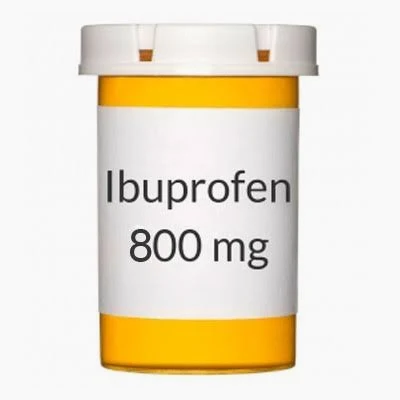
Ibuprofen
Ibuprofen 800MG
What is Ibuprofen?
Ibuprofen is an over-the-counter nonsteroidal anti-inflammatory drug (NSAID) used to relieve pain, reduce inflammation, and lower fever. It is commonly used for headaches, muscle aches, back pain, toothaches, menstrual cramps, arthritis, and minor injuries. Learn about Ibuprofen uses, dosage, side effects, drug interactions, and how it compares to other pain relief medications.
Side Effects
- Swelling in your hands, ankles, or feet, rapid weight gain
- Dark urine or pale stools, nausea, vomiting, loss of appetite, stomach pain, yellow skin or eyes
- Change in how much or how often you urinate
Warnings
- Tell your doctor if you have kidney disease, liver disease, asthma, lupus or a similar connective tissue disease, or a history of ulcers or other digestion problems. Tell your doctor if you smoke or have heart or blood circulation problems, including high blood pressure, heart failure (CHF), or bleeding problems.
- Tell your doctor if you are pregnant or breastfeeding. Do not use this medicine during the later part of pregnancy.
- Unusual bleeding, bruising, or weakness
- Trouble seeing, blind spots, change in how you see colors
- This medicine may cause the following problems:Bleeding and ulcers in the stomach or intestinesHigher risk of heart attack or strokeLiver damageKidney damageVision problems
Prescription savings · · · ·
What is Ibuprofen ?
Ibuprofen is an over-the-counter nonsteroidal anti-inflammatory drug (NSAID) used to relieve pain, reduce inflammation, and lower fever. It is commonly used for headaches, muscle aches, back pain, toothaches, menstrual cramps, arthritis, and minor injuries. Learn about Ibuprofen uses, dosage, side effects, drug interactions, and how it compares to other pain relief medications.
- Swelling in your hands, ankles, or feet, rapid weight gain
- Dark urine or pale stools, nausea, vomiting, loss of appetite, stomach pain, yellow skin or eyes
- Change in how much or how often you urinate
- Chest pain, trouble breathing, weakness on one side of your body, severe headache, trouble seeing or talking, pain in your lower leg
- Severe stomach pain, vomiting blood, bloody or black, tarry stools
- Unusual bleeding, bruising, or weakness
- Chest pain that may spread to your arms, jaw, back, or neck, trouble breathing, nausea, unusual sweating, faintness
- Trouble seeing, blind spots, change in how you see colors
- Fever, neck pain, stiff neck
- Blistering, peeling, or red skin rash
- Allergic reaction: Itching or hives, swelling in your face or hands, swelling or tingling in your mouth or throat, chest tightness, trouble breathing
- Tell your doctor if you have kidney disease, liver disease, asthma, lupus or a similar connective tissue disease, or a history of ulcers or other digestion problems. Tell your doctor if you smoke or have heart or blood circulation problems, including high blood pressure, heart failure (CHF), or bleeding problems.
- Tell your doctor if you are pregnant or breastfeeding. Do not use this medicine during the later part of pregnancy.
- Unusual bleeding, bruising, or weakness
- Trouble seeing, blind spots, change in how you see colors
- This medicine may cause the following problems:Bleeding and ulcers in the stomach or intestinesHigher risk of heart attack or strokeLiver damageKidney damageVision problems
- Call your doctor if symptoms get worse, pain lasts more than 10 days, or fever lasts more than 3 days.
- This medicine might contain sugar or phenylalanine (aspartame).
- Tell any doctor or dentist who treats you that you are using this medicine.
- Keep all medicine out of the reach of children. Never share your medicine with anyone.
- Severe stomach pain, vomiting blood, bloody or black, tarry stools
- Swelling in your hands, ankles, or feet, rapid weight gain
Ibuprofen Coupons & Prices
Ibuprofen 800MG
No Prescription Needed
Ibuprofen is available over the counter — order online or pick up at a pharmacy near you.
Where to Buy Ibuprofen
No prescription needed. Purchase online or in-store.
4 ED medications in one dose
Apomorphine, sildenafil, tadalafil & vardenafil · One sublingual dose · Free express shipping
Ibuprofen prices by dosage
Lowest cash price with a free Rx.com coupon vs. the average retail price.
| Dosage | Quantity | Retail price | Rx.com price |
|---|---|---|---|
| 200mg · Tablet | 30 | $7.99 | $6.80 |
| 400mg · Tablet | 30 | $14.99 | $4.99 |
| 600mg · Tablet | 30 | $12.89 | $6.99 |
| 800mg · Tablet | 30 | $12.09 | $8.70 |
Cash prices near ZIP 77433; updated regularly. Actual pharmacy price may vary.
Looking for an ibuprofen coupon? Ibuprofen is a widely used, FDA-approved nonsteroidal anti-inflammatory drug (NSAID) that relieves mild-to-moderate pain, reduces fever, eases menstrual cramps, and treats the pain of osteoarthritis and rheumatoid arthritis. It is available as a low-cost generic, but the cash price can still vary widely from one pharmacy to the next. Rx.com compares ibuprofen prices across more than 60,000 U.S. pharmacies so you can find the lowest price near you and use a free discount coupon at the counter. Enter your ZIP above to see today's price at pharmacies in your area.
What is ibuprofen and how does it work?
Ibuprofen is a nonsteroidal anti-inflammatory drug (NSAID). It works by blocking COX-1 and COX-2 enzymes, which reduces the body's production of the chemicals (prostaglandins) that cause pain, inflammation, and fever. It is the same active ingredient found in the brand names Advil and Motrin.
Ibuprofen is FDA-approved to relieve mild-to-moderate pain, to treat the signs and symptoms of osteoarthritis and rheumatoid arthritis, to reduce fever, and to relieve primary dysmenorrhea (menstrual pain). Over-the-counter forms are used for the temporary relief of minor aches and pains from headaches, muscle aches, backaches, toothaches, arthritis, menstrual cramps, and the common cold, and to reduce fever. A prescription intravenous form (Caldolor) is used for pain and fever in hospital settings.
Ibuprofen cost and how to save without insurance
Ibuprofen is available as an inexpensive generic and, in lower strengths, over the counter. Even so, the cash price for prescription-strength ibuprofen can differ significantly between pharmacies, which is exactly why comparing prices is worth the few seconds it takes. Because a generic is already low-cost, a discount coupon can help you avoid paying more than you need to, especially if you do not have insurance or your plan does not cover it.
Rx.com compares ibuprofen prices across more than 60,000 pharmacies and provides a free discount card you can use at the register. There is no membership fee. Enter your ZIP above to see today's price near you and print or show the coupon at your pharmacy.
Ibuprofen vs. other pain relievers and alternatives
Ibuprofen belongs to the NSAID family, so it shares much in common with other over-the-counter and prescription options. Naproxen (sold over the counter as Aleve) is another NSAID that generally lasts longer per dose. Meloxicam, celecoxib, and diclofenac are prescription NSAIDs sometimes used for arthritis.
Acetaminophen (Tylenol) is a different type of pain and fever reliever; it is not an NSAID and does not reduce inflammation the way ibuprofen does. Your provider or pharmacist can help you decide which option fits your health history best. This is general information, not medical advice.
Ibuprofen safety and important warnings
Ibuprofen carries an FDA boxed warning for serious cardiovascular and gastrointestinal risks. Like other NSAIDs, it can raise the risk of serious cardiovascular events such as heart attack and stroke, which can be fatal and may increase with longer use; it should not be used for pain right before or after coronary artery bypass graft (CABG) surgery. NSAIDs can also cause serious stomach and intestinal bleeding, ulcers, and perforation, which can happen without warning and can be fatal, with older adults at greater risk.
Other possible risks include kidney injury, high blood pressure, fluid retention and heart failure, liver problems, allergic reactions, and rare but serious skin reactions. The FDA recommends avoiding ibuprofen and other NSAIDs at about 20 weeks of pregnancy or later, because they can cause rare but serious kidney problems in the unborn baby that can lead to low levels of amniotic fluid; if you are pregnant or may become pregnant, talk with your doctor before using ibuprofen. In general, use the lowest effective dose for the shortest time needed. This is not a complete list of warnings and is not medical advice, so talk with your doctor or pharmacist about whether ibuprofen is safe for you.
This Ibuprofen information was written and reviewed against authoritative U.S. medical sources — MedlinePlus (U.S. National Library of Medicine), DailyMed, and FDA prescribing information — and checked for accuracy. It is provided for education and is not a substitute for professional medical advice.
Verify the official label: Ibuprofen on DailyMed (FDA)
Reviewed against FDA labeling · Last reviewed July 2026
Ibuprofen — Articles & Guides
21 articles













Related Drugs
Browse more medications: starting with I · full A-Z directory · by condition · common drugs
Medical disclaimer: This information is provided for general educational purposes only and is not medical advice. It is not a substitute for professional diagnosis or treatment. Always consult a licensed physician, pharmacist, or other qualified healthcare provider before starting, stopping, or changing any medication or treatment. Never disregard professional medical advice or delay seeking it because of something you read here. If you think you may have a medical emergency, call your doctor or 911 immediately.


