
Diclofenac Sodium
Diclofenac Sodium 75MG
What is Diclofenac Sodium?
Diclofenac sodium is a nonsteroidal anti-inflammatory drug (NSAID) prescribed to relieve pain, reduce inflammation, and improve joint function in conditions like osteoarthritis, rheumatoid arthritis, and ankylosing spondylitis. It is also used for acute pain and primary dysmenorrhea (painful menstrual periods). Available as oral tablets, delayed-release tablets, and topical gels, diclofenac works by blocking enzymes (COX-1 and COX-2) that produce prostaglandins — the chemicals responsible for pain and inflammation. Oral doses typically range from 50 mg two to three times daily to 75 mg twice daily, while topical formulations apply directly to the affected area for localized relief. If you need a diclofenac prescription, a licensed provider on Rx.com can evaluate your condition online and send your prescription to your preferred pharmacy.Side Effects
- Bloody or black, tarry stools, severe stomach pain, vomiting blood or material that looks like coffee grounds
- Confusion, uneven heartbeat, trouble breathing, numbness or tingling in your hands, feet, or lips
- Change in how much or how often you urinate
Warnings
- Tell your doctor if you are pregnant or breastfeeding. Do not use this medicine during the later part of a pregnancy, unless your doctor tells you to.
- Tell your doctor if you have kidney disease, liver disease, asthma, heart failure, high blood pressure, or heart or blood vessel problems, or a history of stomach ulcers or bleeding problems. Tell your doctor if you have phenylketonuria (PKU). Also tell your doctor if you drink alcohol.
- This medicine may cause the following problems:Increased risk of blood clots, heart attack, stroke, or heart failureBleeding problems, including stomach or bowel bleeding or ulcerLiver problemsHigh blood pressureKidney problemsSerious skin reactions, including Stevens-Johnson syndrome, exfoliative dermatitis, toxic epidermal necrolysis, and drug reaction with eosinophilia and systemic symptoms (DRESS)
- This medicine may cause a delay in ovulation for women and may affect their ability to have children. If you plan to have children, talk with your doctor before using this medicine.
- Tell any doctor or dentist who treats you that you are using this medicine.
Prescription savings · · · ·
What is Diclofenac Sodium ?
Diclofenac sodium is a nonsteroidal anti-inflammatory drug (NSAID) prescribed to relieve pain, reduce inflammation, and improve joint function in conditions like osteoarthritis, rheumatoid arthritis, and ankylosing spondylitis. It is also used for acute pain and primary dysmenorrhea (painful menstrual periods). Available as oral tablets, delayed-release tablets, and topical gels, diclofenac works by blocking enzymes (COX-1 and COX-2) that produce prostaglandins — the chemicals responsible for pain and inflammation. Oral doses typically range from 50 mg two to three times daily to 75 mg twice daily, while topical formulations apply directly to the affected area for localized relief. If you need a diclofenac prescription, a licensed provider on Rx.com can evaluate your condition online and send your prescription to your preferred pharmacy.- Bloody or black, tarry stools, severe stomach pain, vomiting blood or material that looks like coffee grounds
- Confusion, uneven heartbeat, trouble breathing, numbness or tingling in your hands, feet, or lips
- Change in how much or how often you urinate
- Dark urine or pale stools, nausea, vomiting, loss of appetite, stomach pain, yellow skin or eyes
- Unusual bleeding, bruising, or weakness
- Rapid weight gain, swelling in your hands, ankles, or feet
- Chest pain that may spread to your arms, jaw, back, or neck, trouble breathing, unusual sweating, faintness
- Numbness or weakness in your arm or leg, or on one side of your body, pain in your lower leg, sudden or severe headache, or problems with vision, speech, or walking
- Allergic reaction: Itching or hives, swelling in your face or hands, swelling or tingling in your mouth or throat, chest tightness, trouble breathing
- Blistering, peeling, or red skin rash
- Tell your doctor if you are pregnant or breastfeeding. Do not use this medicine during the later part of a pregnancy, unless your doctor tells you to.
- Tell your doctor if you have kidney disease, liver disease, asthma, heart failure, high blood pressure, or heart or blood vessel problems, or a history of stomach ulcers or bleeding problems. Tell your doctor if you have phenylketonuria (PKU). Also tell your doctor if you drink alcohol.
- This medicine may cause the following problems:Increased risk of blood clots, heart attack, stroke, or heart failureBleeding problems, including stomach or bowel bleeding or ulcerLiver problemsHigh blood pressureKidney problemsSerious skin reactions, including Stevens-Johnson syndrome, exfoliative dermatitis, toxic epidermal necrolysis, and drug reaction with eosinophilia and systemic symptoms (DRESS)
- This medicine may cause a delay in ovulation for women and may affect their ability to have children. If you plan to have children, talk with your doctor before using this medicine.
- Tell any doctor or dentist who treats you that you are using this medicine.
- Your headaches may become worse if you use a headache medicine for 10 or more days per month. Write down how often your headaches occur and how often you use this medicine.
- Your doctor will do lab tests at regular visits to check on the effects of this medicine. Keep all appointments.
- Keep all medicine out of the reach of children. Never share your medicine with anyone.
Diclofenac Sodium Coupons & Prices
Diclofenac Sodium 75MG

Weight-loss medication, prescribed online
Licensed U.S. providers · No insurance needed · Shipped to your door
Diclofenac Sodium prices by dosage
Lowest cash price with a free Rx.com coupon vs. the average retail price.
| Dosage | Quantity | Retail price | Rx.com price |
|---|---|---|---|
| 25mg · Tablet Delayed Release | 60 | $82.59 | $43.18 |
| 50mg · Tablet Delayed Release | 60 | $46.59 | $13.50 |
| 75mg · Tablet Delayed Release | 60 | $31.99 | $9.99 |
Cash prices near ZIP 77433; updated regularly. Actual pharmacy price may vary.
Looking for a diclofenac sodium coupon? Diclofenac sodium is a widely used prescription nonsteroidal anti-inflammatory drug (NSAID) that relieves pain and eases the inflammation, swelling, and stiffness of arthritis. Because it is available as a low-cost generic, you often do not need to pay full retail price, but the cash price can still vary widely from one pharmacy to the next. Enter your ZIP above to see today's diclofenac sodium price, and Rx.com will compare discounts across more than 60,000 pharmacies so you can pay less at the counter.
What is diclofenac sodium and how does it work?
Diclofenac sodium is a nonsteroidal anti-inflammatory drug (NSAID). Like other NSAIDs, it works by lowering the substances in your body that cause pain, inflammation, and swelling. It is FDA-approved to relieve mild-to-moderate pain and to treat the signs and symptoms of osteoarthritis, rheumatoid arthritis, and ankylosing spondylitis, including joint pain, swelling, and stiffness.
Diclofenac sodium comes in several forms. Oral tablets are taken by mouth, while topical products are applied to the skin. Topical gels and solutions (such as Voltaren Gel and Pennsaid) treat osteoarthritis of the knees or hands, and the 3% gel (Solaraze) treats actinic keratosis. Your prescriber will choose the form and strength that fits your condition. Diclofenac is also made in other salt forms and formulations, such as diclofenac potassium, that are used for other conditions like acute migraine and menstrual cramps.
Diclofenac sodium cost and savings without insurance
Diclofenac sodium is available as a generic, which usually makes it far more affordable than brand-name versions. Even so, the cash price without insurance can differ a lot depending on the pharmacy you use, the form (tablet, gel, or solution), and the quantity you fill. That is exactly why comparing prices matters, two nearby pharmacies can charge very different amounts for the same generic prescription.
Rx.com compares discount prices across more than 60,000 pharmacies so you can find a lower price near you. Enter your ZIP above to see today's diclofenac sodium price and print or show a free coupon at the pharmacy. There is no membership required to use the discount.
Brand equivalents and related alternatives
Diclofenac sodium is the active ingredient in several brand-name products, including Voltaren, Voltaren Gel, Pennsaid, and Solaraze. Voltaren Arthritis Pain is an over-the-counter topical gel that also contains diclofenac sodium. Because the generic contains the same active ingredient, it is typically the lower-cost option compared with the brand.
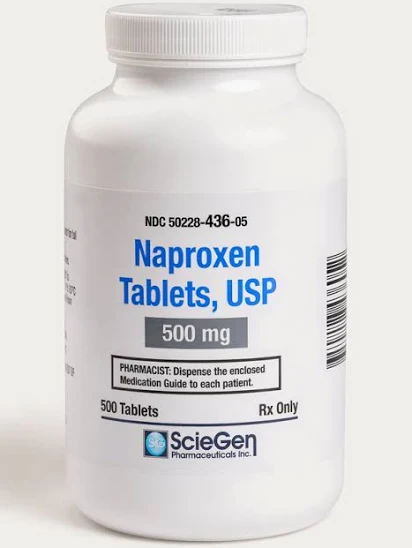
Some other diclofenac brands use a different salt or form of the drug and are not the same as diclofenac sodium. For example, diclofenac potassium (brands such as Cataflam and Cambia) is a different salt form, Zorvolex is diclofenac free acid, and the Flector and Licart patches contain diclofenac epolamine. Other NSAIDs your provider might consider include meloxicam, ibuprofen, naproxen, and celecoxib. These medicines differ in dosing, cost, and how they may affect the stomach, heart, and kidneys, so ask your provider or pharmacist which is the best fit for you before switching.
Important safety information
Like all NSAIDs, diclofenac sodium carries boxed warnings, the FDA's strongest warnings. It can raise the risk of serious and potentially fatal heart attack and stroke, a risk that may occur early in treatment and increase the longer you take it. It should not be used for pain right before or after heart bypass (CABG) surgery, and should be avoided if you have had a recent heart attack. NSAIDs can also cause serious stomach or intestinal bleeding, ulcers, and perforation, which can happen without warning and can be fatal. To lower these risks, use the lowest effective dose for the shortest time needed.
Other possible risks include high blood pressure, fluid retention or heart failure, kidney or liver problems, and serious skin or allergic reactions. Diclofenac sodium should be avoided after 20 weeks of pregnancy because of the risk of harm to the baby's kidneys. This information is not medical advice, tell your provider about your health history and all medicines you take, and talk with your provider or pharmacist about whether diclofenac sodium is right for you.
This Diclofenac Sodium information was written and reviewed against authoritative U.S. medical sources — MedlinePlus (U.S. National Library of Medicine), DailyMed, and FDA prescribing information — and checked for accuracy. It is provided for education and is not a substitute for professional medical advice.
Verify the official label: Diclofenac Sodium on DailyMed (FDA)
Reviewed against FDA labeling · Last reviewed July 2026
Diclofenac Sodium — Articles & Guides
3 articles

Related Drugs
Browse more medications: starting with D · full A-Z directory · by condition · common drugs
Medical disclaimer: This information is provided for general educational purposes only and is not medical advice. It is not a substitute for professional diagnosis or treatment. Always consult a licensed physician, pharmacist, or other qualified healthcare provider before starting, stopping, or changing any medication or treatment. Never disregard professional medical advice or delay seeking it because of something you read here. If you think you may have a medical emergency, call your doctor or 911 immediately.


