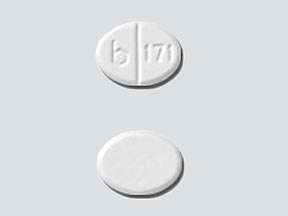
Mefloquine Hcl
Mefloquine HCl 250MG
¿Qué es Mefloquine Hcl?
El clorhidrato de mefloquina es un agente antimalárico utilizado principalmente para la prevención y el tratamiento de la malaria, incluyendo cepas resistentes a la cloroquina. Se administra por vía oral en forma de sal de hidrocloruro y actúa atacando las etapas eritrocíticas de los parásitos del Plasmodium, interrumpiendo su ciclo de vida. Debido a los potenciales efectos secundarios neuropsiquiátricos, generalmente se utiliza cuando otros antimaláricos no son adecuados.Side Effects
- Allergic reaction: Itching or hives, swelling in your face or hands, swelling or tingling in your mouth or throat, chest tightness, trouble breathing
- Blistering, peeling, or red skin rash
- Dark-colored urine or pale stools, nausea, vomiting, loss of appetite, pain in your upper stomach, yellow skin or eyes
Warnings
- Make sure your doctor knows if you are pregnant or breastfeeding, or if you have liver disease, epilepsy or seizures, or a history of depression or other psychiatric problems. Make sure your doctor knows if you have heart disease, heart block, or heart rhythm problems (such as prolonged QT interval).
- Use birth control while you are taking this medicine and for 3 months after you stop. If you think you have become pregnant while using this medicine, tell your doctor right away.
- This medicine may cause the following problems:Psychiatric problems (could be long-term, and may include anxiety, paranoid thoughts, depression, hallucinations, or thoughts of suicide)Nervous system problems (could be long-term or permanent, and may include dizziness or balance problems)
- You could still get malaria even while using this medicine. If you get sick or have a fever, call your doctor.
- This medicine may make you dizzy or drowsy. Do not drive, use machines, or do anything else that could be dangerous until you know how this medicine affects you.
Prescription savings · ·
¿Qué es Mefloquine Hcl ?
El clorhidrato de mefloquina es un agente antimalárico utilizado principalmente para la prevención y el tratamiento de la malaria, incluyendo cepas resistentes a la cloroquina. Se administra por vía oral en forma de sal de hidrocloruro y actúa atacando las etapas eritrocíticas de los parásitos del Plasmodium, interrumpiendo su ciclo de vida. Debido a los potenciales efectos secundarios neuropsiquiátricos, generalmente se utiliza cuando otros antimaláricos no son adecuados.Mefloquine Hcl Cupones y Precios - Rx.com
Mefloquine HCl 250MG
4 ED medications in one dose
Apomorphine, sildenafil, tadalafil & vardenafil · One sublingual dose · Free express shipping
Mefloquine Hcl prices by dosage
Lowest cash price with a free Rx.com coupon vs. the average retail price.
| Dosis | Cantidad | Retail price | Rx.com price |
|---|---|---|---|
| 250mg · Tablet | 4 | $48.99 | $16.60 |
Cash prices near ZIP 77433; updated regularly. Actual pharmacy price may vary.
Medicamentos Relacionados
Browse more medications: starting with M · full A-Z directory · by condition · common drugs
Medical disclaimer: This information is provided for general educational purposes only and is not medical advice. It is not a substitute for professional diagnosis or treatment. Always consult a licensed physician, pharmacist, or other qualified healthcare provider before starting, stopping, or changing any medication or treatment. Never disregard professional medical advice or delay seeking it because of something you read here. If you think you may have a medical emergency, call your doctor or 911 immediately.


