Are Grits Healthy?
Grits are a Southern comfort-food classic — but how healthy are they? Here's what they're made of, how the types compare, and how to make them a better-for-you meal.
What are grits?
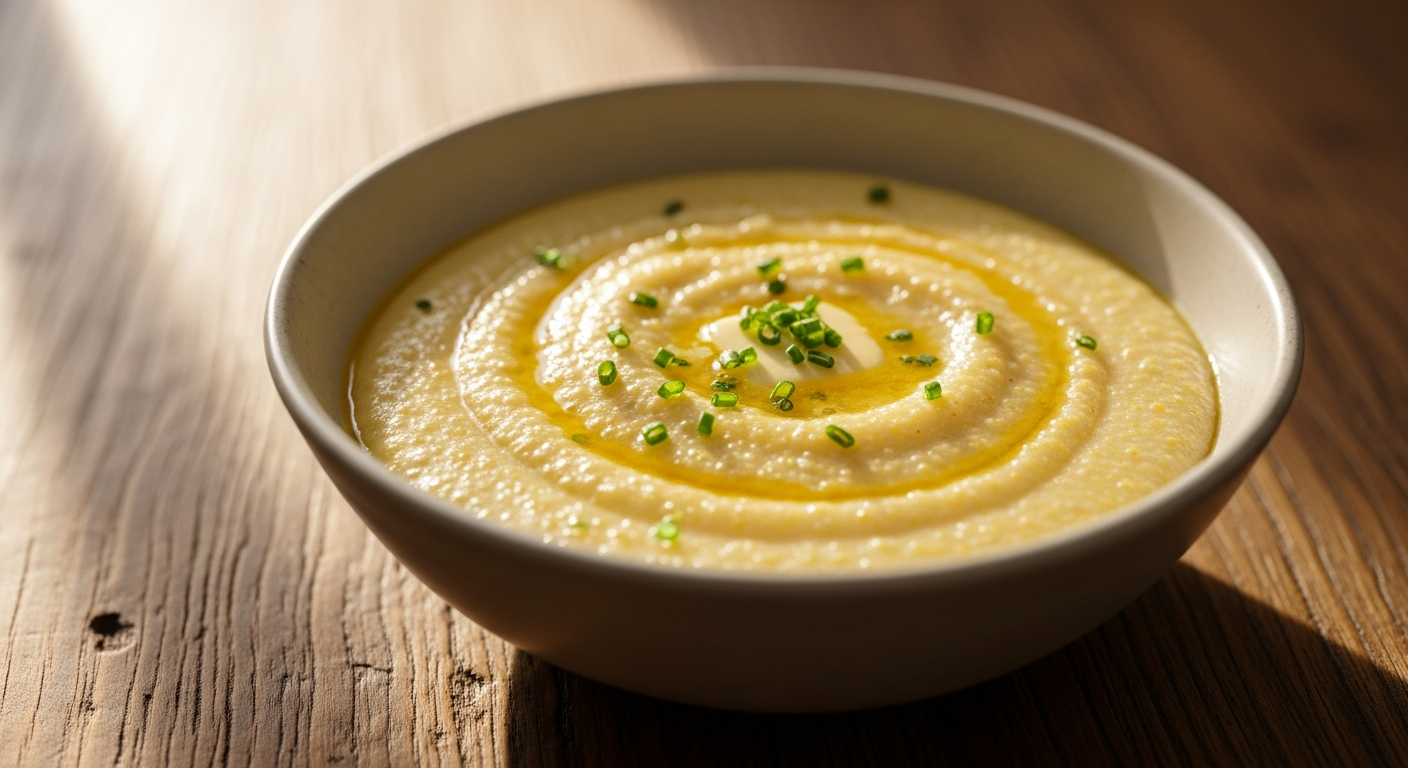
Grits are made from ground corn — usually dried corn kernels that are ground into a coarse meal and cooked into a creamy porridge. Many traditional grits come from hominy (corn treated with an alkaline solution, a process called nixtamalization that boosts certain nutrients). On their own, grits are a starchy, carbohydrate-rich food that's naturally low in fat and gluten-free.
Grits nutrition at a glance
Here's a general look at about one cup of cooked plain grits (before toppings). Exact numbers vary by brand and type.
| Per ~1 cup cooked, plain | Approximate amount |
|---|---|
| Calories | ~150 |
| Carbohydrates | ~31 g |
| Fiber | ~2 g (more in stone-ground) |
| Protein | ~3–4 g |
| Fat | ~1 g (before butter/cheese) |
| Notable nutrients | Iron and B vitamins (enriched/fortified types) |
Stone-ground vs. instant
The type of grits matters a lot for how healthy they are:
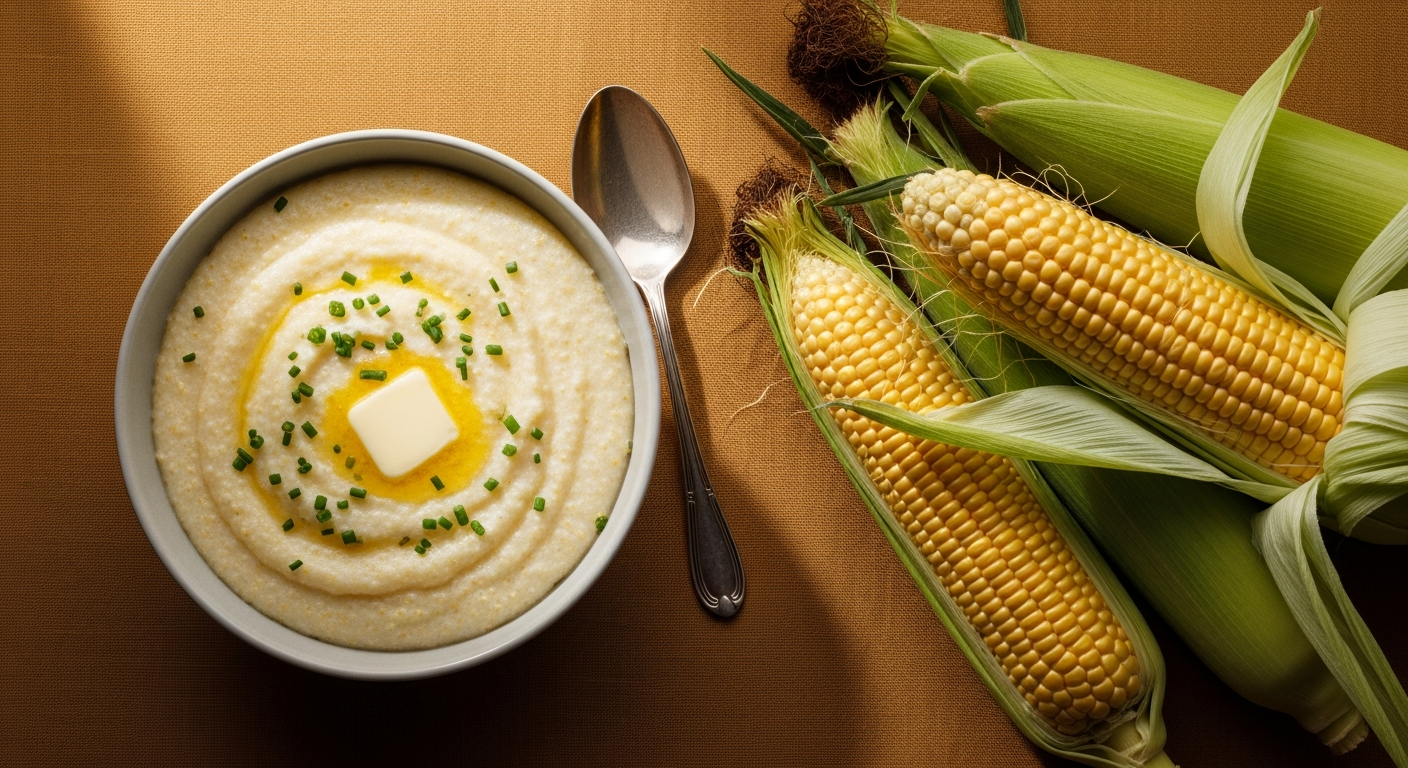
- Stone-ground (whole-grain): less processed, keeps more bran and germ — so more fiber, more nutrients, and a slower effect on blood sugar. Takes longer to cook.
- Regular / quick: more refined, faster to cook, with somewhat less fiber.
- Instant: the most processed and fastest to digest, with the least fiber and the biggest blood-sugar impact. Flavored packets can also be high in sodium.
Grits and blood sugar
Because grits are starchy, they raise blood sugar — and instant grits do so more quickly than stone-ground. If you're watching your blood sugar, smaller portions of stone-ground grits paired with protein, healthy fat, and fiber (think eggs, vegetables, or beans) can slow digestion and soften the spike.
Good to know
No single food is simply "good" or "bad." Grits fit a healthy diet best when you choose less-processed types, keep portions reasonable, and balance the plate. If you have diabetes or other health conditions, follow personalized guidance from your healthcare provider or a registered dietitian.
How to make grits healthier
- Choose stone-ground over instant when you can.
- Go easy on butter and cheese — or swap in a little olive oil and herbs.
- Add protein (eggs, shrimp, beans) and vegetables to balance the meal.
- Watch portion size and skip high-sodium flavored packets.
Eating with your health in mind?
Food is one part of the picture. Explore more guides or learn about weight and metabolic-health options.
Frequently asked questions
Which Grits Are Best for Your Health Goal?
Not all grits behave the same nutritionally. The type and preparation method change the picture significantly.
🩸 Blood Sugar Management
Best choice: Stone-ground or whole-grain grits
- Lower glycemic index than instant varieties
- Cook with water, not cream or milk
- Always pair with protein (eggs, beans, turkey) to slow glucose absorption
- Avoid instant and quick-cook — they digest faster
⚖️ Weight Management
Best choice: Stone-ground, plain, controlled portions
- ~180 calories per cup (plain, cooked)
- Skip butter, cheese, and gravy — these are where calories add up
- Add vegetables or lean protein to boost volume and satiety
- Instant flavored varieties often carry hidden sodium and sugar
🌽 Maximizing Nutrition
Best choice: Whole-grain or stone-ground (not degerminated)
- Degerminated grits lose most B vitamins and fiber during processing
- Whole-grain versions have ~2g fiber per cup vs ~1g in instant
- Good source of iron and B vitamins when stone-ground or fortified
- Not a complete protein — always pair with a protein source
Are grits healthy?
Grits can be healthy, depending on the type and how you prepare them. Stone-ground grits keep more of the whole corn kernel, so they have more fiber and nutrients than instant. They're naturally low in fat and gluten-free. The downsides come from heavy add-ins like butter, cheese, and salt, and from instant versions that digest quickly.
Are grits good for weight loss?
Plain grits are fairly low in calories on their own and can be filling, especially the stone-ground type with more fiber. The bigger factor for weight is portion size and toppings — large servings loaded with butter and cheese add up quickly. Pairing grits with protein and vegetables makes them more balanced.
Are grits bad for blood sugar?
Grits are a starchy, carbohydrate-rich food, and instant grits in particular can raise blood sugar quickly. People watching blood sugar may do better with stone-ground grits, smaller portions, and pairing them with protein, healthy fat, and fiber. Anyone with diabetes should follow personalized advice from their provider.
Are stone-ground grits healthier than instant?
Generally yes. Stone-ground grits are less processed and retain more of the corn's bran and germ, meaning more fiber and nutrients and a slower effect on blood sugar. Instant and quick grits are more refined and digest faster, so they offer less fiber and can spike blood sugar more.
Related reading
Last updated: June 10, 2026


