Multi Collagen Peptides
A plain-English guide to multi collagen peptides — what they are, the collagen types they provide, the benefits for skin, hair, joints, and gut, and what the evidence really says.

What are multi collagen peptides?
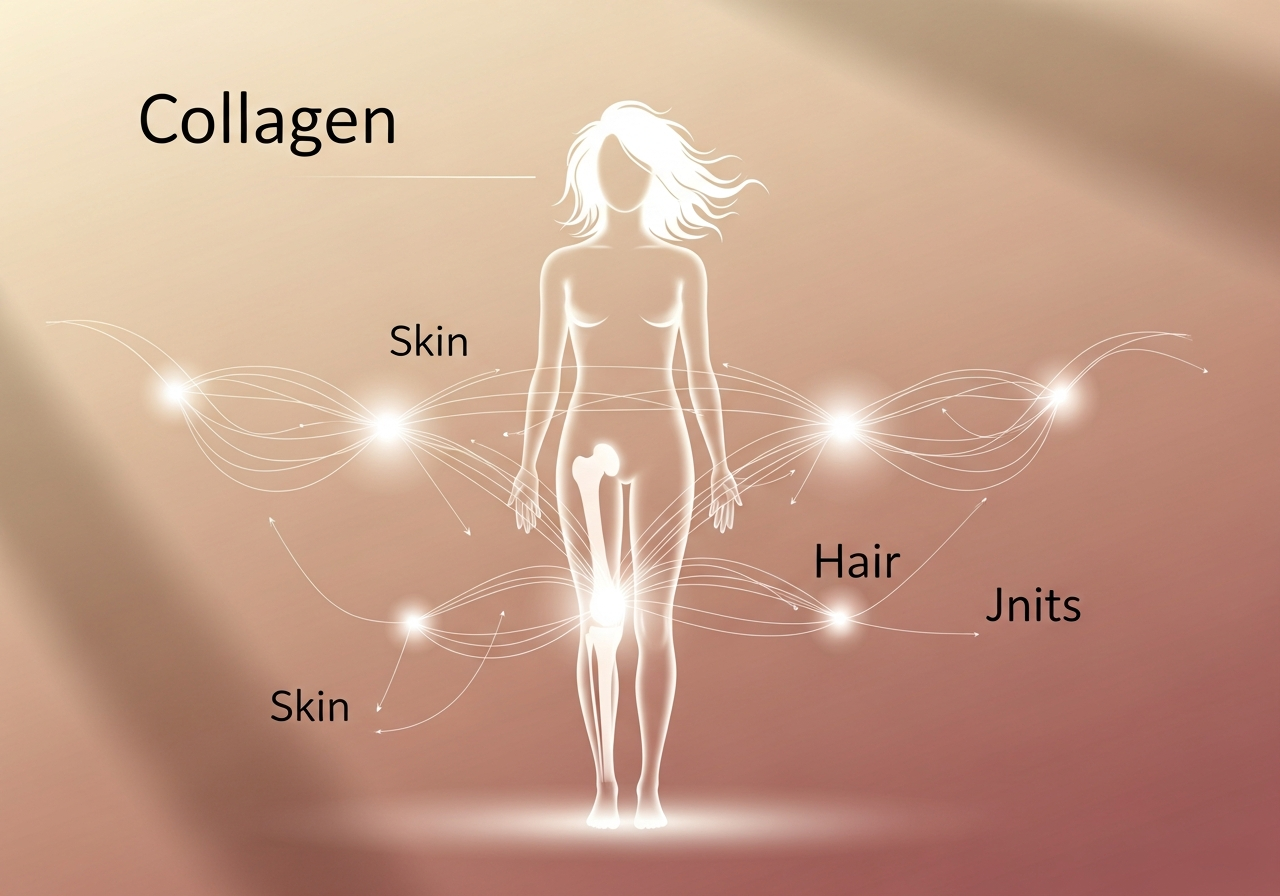
Collagen is the main structural protein in your skin, hair, nails, joints, bones, and gut lining — and the body makes less of it as you age. Multi collagen peptides are a supplement that combines collagen from several sources, so you get several collagen types in one product instead of just one.
The word "peptides" here simply means the collagen has been hydrolyzed — broken into smaller pieces — so it dissolves easily in liquids and is easier for the body to absorb. (This is different from prescription or "research" peptides; collagen peptides are a food-based protein supplement.)
The collagen types explained
| Type | Common source | Mainly supports |
|---|---|---|
| Type I | Bovine, marine | Skin, hair, nails, bones, tendons |
| Type II | Chicken | Cartilage and joints |
| Type III | Bovine | Skin and blood vessels (often paired with type I) |
| Type V | Eggshell membrane | Skin, hair, and tissue surfaces |
| Type X | Eggshell membrane | Bone and cartilage formation |
The appeal of a "multi" blend is broad coverage — different types support different tissues, so one product aims to help skin, joints, and bone all at once.
Benefits and what the evidence says
People take multi collagen peptides hoping to support:
- Skin — elasticity and hydration (this has the most supportive research).
- Joints — comfort and mobility, especially with activity.
- Hair and nails — strength and growth.
- Gut and connective tissue — general structural support.
Be realistic: the strongest evidence is for skin elasticity and joint comfort, results vary from person to person, and collagen is a supplement, not a cure for any condition.
How to use them
- Most powders are unflavored and dissolve into coffee, water, smoothies, or food.
- A typical serving is once or twice daily — follow the label.
- Pairing with vitamin C may support your body's own collagen-making.
- Give it time — most studies run several weeks to a few months before skin or joint changes show.
Choosing a quality product
Because supplements aren't reviewed by the FDA the way medications are, quality varies. Look for products that list their collagen types and sources, are third-party tested, and avoid unnecessary fillers. If you have food allergies, check the source (fish, egg, or beef) carefully.
Good to know
This article is for general education and is not medical advice. Dietary supplements, including collagen peptides, are not FDA-approved to diagnose, treat, cure, or prevent any disease. Talk to your healthcare provider before adding a new supplement, especially if you are pregnant, nursing, or have allergies. Rx.com does not sell collagen supplements.
Safety and who should be careful
- Generally well tolerated; the most common complaint is mild digestive upset.
- Watch for allergens — marine collagen (fish), eggshell (egg), or bovine (beef).
- If you're pregnant, nursing, or managing a health condition, check with your provider first.
Related reading
Interested in skin from another angle? Read our guide to the glow peptide (GHK-Cu), a topical copper peptide for skin. For prescription skincare options a provider might discuss, you can also compare prices on tretinoin.
Frequently asked questions
Which Collagen Type Fits Your Goal? — Quick-Match Guide
Most multi-collagen products include Types I, II, III, V, and X. Here is what each one primarily supports.
| Type | Primary Tissue | Main Goal | Common Source |
|---|---|---|---|
| Type I | Skin, hair, nails, tendons, bone | Skin firmness, anti-aging, hair and nail strength | Bovine hide, marine |
| Type II | Cartilage | Joint support, flexibility, arthritis relief | Chicken sternum |
| Type III | Skin, blood vessels, organs | Skin elasticity, gut lining support | Bovine hide |
| Type V | Cell surfaces, hair | Complements Type I for skin and hair | Eggshell membrane |
| Type X | Joint cartilage | Bone formation, cartilage repair | Eggshell membrane |
Bottom line: For skin and aging → Types I and III. For joints → Type II. A multi-collagen blend covers all bases when you have more than one goal.
What are multi collagen peptides?
They're a dietary supplement that combines collagen from several sources — such as bovine, marine, chicken, and eggshell — to provide multiple types of collagen in one product. The collagen is hydrolyzed into smaller peptides that dissolve and absorb easily.
What are the benefits of multi collagen peptides?
People take them hoping to support skin elasticity and hydration, hair and nail strength, joint comfort, and gut and connective-tissue health. Research is most supportive for skin elasticity and joint comfort, though results vary and collagen is a supplement, not a cure.
How is "multi" collagen different from regular collagen?
Regular collagen powders often come from a single source like bovine. "Multi" collagen combines several sources to deliver multiple collagen types — commonly I, II, III, V, and X — in one scoop, since different types support different tissues such as skin, cartilage, and bone.
How do you take multi collagen peptides?
The powder is usually unflavored and dissolves into coffee, water, smoothies, or food once or twice a day. Most studies use consistent daily use over several weeks to a few months before benefits like skin elasticity become noticeable.
Are multi collagen peptides safe?
Collagen supplements are generally considered safe and well tolerated for most healthy adults, with mild digestive upset being the most common complaint. Because supplements aren't FDA-approved like medications, choose reputable brands and talk to your provider if you're pregnant, nursing, or allergic to fish, eggs, or beef.
Last updated: June 10, 2026


