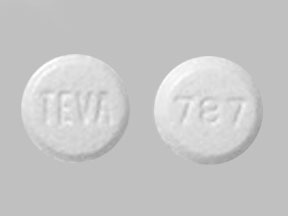
Atenolol
Atenolol 25MG
What is Atenolol?
Atenolol is a medication used to treat high blood pressure, chest pain, and to help improve survival after a heart attack. It works by relaxing blood vessels and slowing the heart rate, which helps improve blood flow.Side Effects
- Chest pain that may spread to your arms, jaw, back, or neck, trouble breathing, nausea, unusual sweating
- Allergic reaction: Itching or hives, swelling in your face or hands, swelling or tingling in your mouth or throat, chest tightness, trouble breathing
- Slow, fast, or irregular heartbeat
Warnings
- It is not safe to take this medicine during pregnancy. It could harm an unborn baby. Tell your doctor right away if you become pregnant.
- Tell your doctor if you are breastfeeding, or if you have asthma, emphysema, bronchitis, kidney disease, pheochromocytoma, diabetes, or an overactive thyroid. Tell your doctor if you have a history of allergies, or if you are scheduled to have surgery. Tell your doctor if you have heart failure or had a heart attack. Tell your doctor if you are fasting (including surgery, not eating regularly, vomiting).
- This medicine may cause the following problems:New or worsening heart failureIncreased risk for hypoglycemia (low blood sugar) and cover up the symptoms of low blood sugar (including fast heartbeat)
- Do not stop using this medicine suddenly without asking your doctor, or you could develop life-threatening heart problems.
- This medicine may make you dizzy or drowsy. Do not drive, use machines, or do anything else that could be dangerous if you are not alert.
Prescription savings · · · ·
What is Atenolol ?
Atenolol is a medication used to treat high blood pressure, chest pain, and to help improve survival after a heart attack. It works by relaxing blood vessels and slowing the heart rate, which helps improve blood flow.- Chest pain that may spread to your arms, jaw, back, or neck, trouble breathing, nausea, unusual sweating
- Allergic reaction: Itching or hives, swelling in your face or hands, swelling or tingling in your mouth or throat, chest tightness, trouble breathing
- Slow, fast, or irregular heartbeat
- Lightheadedness, dizziness, fainting
- Unusual bleeding or bruising
- Rapid weight gain, swelling in your hands, ankles, or feet
- Shaking, trembling, hunger, confusion
- Trouble breathing, cold sweat, bluish-colored skin
- It is not safe to take this medicine during pregnancy. It could harm an unborn baby. Tell your doctor right away if you become pregnant.
- Tell your doctor if you are breastfeeding, or if you have asthma, emphysema, bronchitis, kidney disease, pheochromocytoma, diabetes, or an overactive thyroid. Tell your doctor if you have a history of allergies, or if you are scheduled to have surgery. Tell your doctor if you have heart failure or had a heart attack. Tell your doctor if you are fasting (including surgery, not eating regularly, vomiting).
- This medicine may cause the following problems:New or worsening heart failureIncreased risk for hypoglycemia (low blood sugar) and cover up the symptoms of low blood sugar (including fast heartbeat)
- Do not stop using this medicine suddenly without asking your doctor, or you could develop life-threatening heart problems.
- This medicine may make you dizzy or drowsy. Do not drive, use machines, or do anything else that could be dangerous if you are not alert.
- Tell any doctor or dentist who treats you that you are using this medicine, especially before you have any type of surgery.
- Your doctor will do lab tests at regular visits to check on the effects of this medicine. Keep all appointments.
- Keep all medicine out of the reach of children. Never share your medicine with anyone.
Atenolol Coupons & Prices
Atenolol 25MG

4 ED medications in one dose
Apomorphine, sildenafil, tadalafil & vardenafil · One sublingual dose · Free express shipping
Atenolol prices by dosage
Lowest cash price with a free Rx.com coupon vs. the average retail price.
| Dosage | Quantity | Retail price | Rx.com price |
|---|---|---|---|
| 25mg · Tablet | 30 | $16.69 | $4.00 |
| 50mg · Tablet | 30 | $16.39 | $4.00 |
| 100mg · Tablet | 30 | $16.99 | $4.00 |
Cash prices near ZIP 77433; updated regularly. Actual pharmacy price may vary.
Looking for an atenolol coupon? Atenolol is the low-cost generic version of the brand-name beta blocker Tenormin, and because it has been generic for years it is already one of the more affordable blood pressure medicines. Even so, the cash price for the exact same tablet can vary widely from one pharmacy to the next, which is why comparing matters. Rx.com checks prices across more than 60,000 U.S. pharmacies so you can see today's discounted cash price near you and bring a free coupon to the counter. Enter your ZIP above to see today's price on atenolol.
What is atenolol and how does it work?
Atenolol is a cardioselective (beta-1 selective) beta blocker, sold under the brand name Tenormin. It works by blocking the effect of adrenaline on the heart, which slows the heart rate and lowers the force of each heartbeat. This helps reduce blood pressure and eases the heart's workload. It is FDA-approved to treat hypertension (high blood pressure) and angina pectoris (chest pain caused by coronary artery disease), and to help manage patients and reduce cardiovascular death during the acute phase of a definite or suspected heart attack.
Atenolol is taken by mouth, usually once a day, and is cleared from the body mainly through the kidneys. Your provider decides the right dose for you, and people with reduced kidney function or older adults often need a lower dose. This page is general information, not medical advice, so follow your own prescriber's instructions.
How much does atenolol cost without insurance?
Atenolol is a generic medicine, so it is already inexpensive compared with brand-name Tenormin, and most people pay cash rather than run it through insurance. The catch is that the pharmacy's cash price is not the same everywhere. Two pharmacies on the same street can list very different prices for the identical tablet and strength, so it pays to compare before you fill.
Rx.com compares atenolol prices across more than 60,000 pharmacies and shows a free discount coupon you can use at the register whether or not you have insurance. There is no manufacturer copay card for generic atenolol, and none is needed at these prices. To see the current discounted cash price near you, enter your ZIP above.
Atenolol vs. other beta blockers and alternatives
Atenolol is one of several beta blockers, and providers sometimes choose a different one based on how often it is dosed, kidney function, or other conditions. Current guidelines also note that atenolol is not considered first-line for high blood pressure in older adults, so your doctor may discuss alternatives. Related medicines your prescriber might compare include:
- metoprolol — another cardioselective beta blocker, available in short- and extended-release forms
- bisoprolol — a once-daily cardioselective beta blocker
- carvedilol — a beta blocker that also relaxes blood vessels, often used in heart failure
- propranolol — a non-selective beta blocker
- lisinopril — an ACE inhibitor, a different class often used first-line for blood pressure
Only your provider can decide which medicine is right for you. If you are prescribed any of these, you can compare cash prices for each on Rx.com.
Important safety information
The single most emphasized warning for atenolol is this: do not stop taking it suddenly. Abruptly stopping, especially in people with coronary artery disease, can trigger a severe worsening of chest pain, a heart attack, or dangerous heart rhythms. If your medicine needs to be stopped, your provider will taper the dose gradually over about one to two weeks. Never quit on your own.
Atenolol can slow the heart too much (bradycardia), lower blood pressure, worsen heart failure, or cause heart block, and it should not be used in certain heart rhythm and heart failure conditions. It can also hide the warning signs of low blood sugar in people with diabetes and mask a fast heartbeat from an overactive thyroid. Use caution if you have asthma or COPD, and tell your provider if you have kidney problems, are pregnant or planning pregnancy, or have had severe allergic reactions. This is a summary, not a complete list. Talk with your doctor or pharmacist about your full medical history and any other medicines you take.
This Atenolol information was written and reviewed against authoritative U.S. medical sources — MedlinePlus (U.S. National Library of Medicine), DailyMed, and FDA prescribing information — and checked for accuracy. It is provided for education and is not a substitute for professional medical advice.
Verify the official label: Atenolol on DailyMed (FDA)
Reviewed against FDA labeling · Last reviewed July 2026
Related Drugs
Browse more medications: starting with A · full A-Z directory · by condition · common drugs
Medical disclaimer: This information is provided for general educational purposes only and is not medical advice. It is not a substitute for professional diagnosis or treatment. Always consult a licensed physician, pharmacist, or other qualified healthcare provider before starting, stopping, or changing any medication or treatment. Never disregard professional medical advice or delay seeking it because of something you read here. If you think you may have a medical emergency, call your doctor or 911 immediately.


