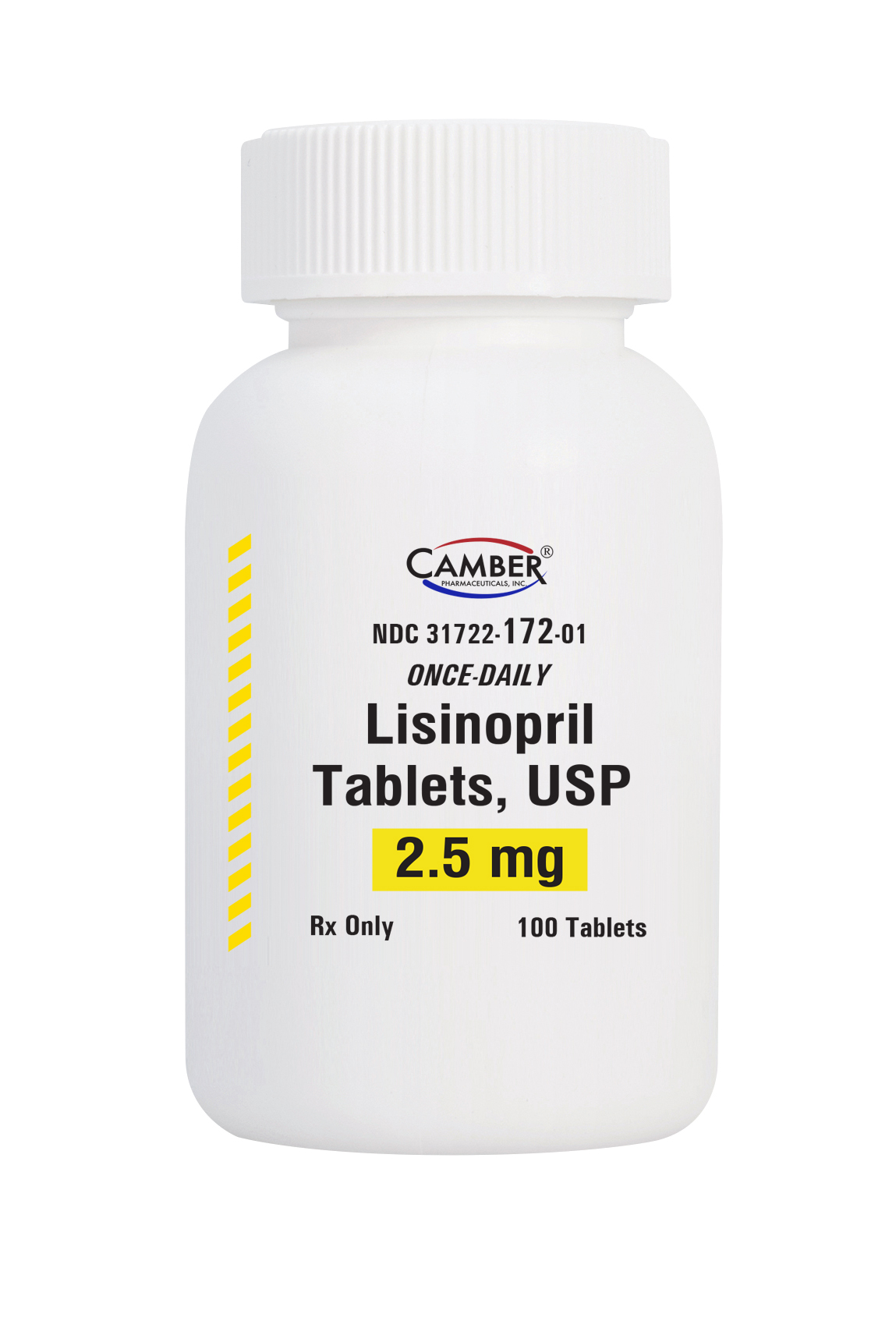
Lisinopril
Lisinopril 10MG
What is Lisinopril?
Lisinopril is a medication used to treat high blood pressure and heart failure. It helps improve blood flow and can also support recovery after a heart attack.Side Effects
- Allergic reaction: Itching or hives, swelling in your face or hands, swelling or tingling in your mouth or throat, chest tightness, trouble breathing
- Fever, chills, sore throat, body aches
- Change in how much or how often you urinate
Warnings
- It is not safe to take this medicine during pregnancy. It could harm an unborn baby. Tell your doctor right away if you become pregnant.
- Tell your doctor if you are breastfeeding, or if you have kidney disease, liver disease, diabetes, or heart or blood vessel disease.
- This medicine may cause the following problems:Angioedema (severe swelling)Kidney problemsSerious liver problems
- This medicine could lower your blood pressure too much, especially when you first use it or if you are dehydrated. Stand or sit up slowly if you feel lightheaded or dizzy.
- Do not stop using this medicine without asking your doctor, even if you feel well. This medicine will not cure your high blood pressure, but it will help keep it in a normal range. You may have to take blood pressure medicine for the rest of your life.
Prescription savings · · · ·
What is Lisinopril ?
Lisinopril is a medication used to treat high blood pressure and heart failure. It helps improve blood flow and can also support recovery after a heart attack.- Allergic reaction: Itching or hives, swelling in your face or hands, swelling or tingling in your mouth or throat, chest tightness, trouble breathing
- Fever, chills, sore throat, body aches
- Change in how much or how often you urinate
- Blistering, peeling, or red skin rash
- Dark urine or pale stools, nausea, vomiting, loss of appetite, stomach pain, yellow skin or eyes
- Confusion, weakness, uneven heartbeat, trouble breathing, numbness or tingling in your hands, feet, or lips
- Lightheadedness, dizziness, fainting
- Severe stomach pain (with or without nausea or vomiting)
- It is not safe to take this medicine during pregnancy. It could harm an unborn baby. Tell your doctor right away if you become pregnant.
- Tell your doctor if you are breastfeeding, or if you have kidney disease, liver disease, diabetes, or heart or blood vessel disease.
- This medicine may cause the following problems:Angioedema (severe swelling)Kidney problemsSerious liver problems
- This medicine could lower your blood pressure too much, especially when you first use it or if you are dehydrated. Stand or sit up slowly if you feel lightheaded or dizzy.
- Do not stop using this medicine without asking your doctor, even if you feel well. This medicine will not cure your high blood pressure, but it will help keep it in a normal range. You may have to take blood pressure medicine for the rest of your life.
- Tell any doctor or dentist who treats you that you are using this medicine.
- Your doctor will do lab tests at regular visits to check on the effects of this medicine. Keep all appointments.
- Keep all medicine out of the reach of children. Never share your medicine with anyone.
Lisinopril Coupons & Prices
Lisinopril 10MG

4 ED medications in one dose
Sildenafil, tadalafil, apomorphine & L-Citrulline · Works in ~15 min · Lasts up to 36 hours
Lisinopril prices by dosage
Lowest cash price with a free Rx.com coupon vs. the average retail price.
| Dosage | Quantity | Retail price | Rx.com price |
|---|---|---|---|
| 2.5mg · Tablet | 90 | $46.80 | $15.59 |
| 5mg · Tablet | 90 | $25.00 | $10.37 |
| 10mg · Tablet | 90 | $25.00 | $10.36 |
| 20mg · Tablet | 90 | $25.00 | $16.10 |
| 30mg · Tablet | 90 | $65.99 | $15.48 |
| 40mg · Tablet | 90 | $25.00 | $11.07 |
Cash prices near ZIP 77433; updated regularly. Actual pharmacy price may vary.
Looking for a lisinopril coupon? Lisinopril is a widely prescribed generic ACE inhibitor for high blood pressure, and because it is already available as a low-cost generic, you often do not need a manufacturer program to pay a fair cash price. What you pay can still vary a lot from one pharmacy to the next, so comparing matters. Rx.com checks prices at over 60,000 pharmacies so you can find today's lowest price near you and show a free coupon at the counter. Enter your ZIP above to see today's price on lisinopril.
What is lisinopril and how does it work?
Lisinopril is an ACE inhibitor (angiotensin-converting enzyme inhibitor). It works by relaxing and widening blood vessels, which lowers blood pressure and reduces the workload on the heart. It is FDA-approved to treat hypertension (high blood pressure) in adults and children 6 years and older, either alone or with other medicines; as add-on therapy for heart failure; and to improve survival after a heart attack (acute myocardial infarction) in stable patients. It is sold under the brand names Prinivil, Zestril, and Qbrelis, but the generic contains the same active ingredient.
Lisinopril cost without insurance and how to save
Because lisinopril is available as a generic, it is generally one of the more affordable blood pressure medicines, even if you are paying cash or do not have insurance. That said, the cash price is not the same everywhere. The exact same prescription can cost noticeably more at one pharmacy than at another down the street, which is why comparing before you fill can make a real difference.
Rx.com compares lisinopril prices across more than 60,000 U.S. pharmacies and shows you a free discount coupon you can use at checkout. There is no manufacturer savings card for generic lisinopril, so the best way to save is simply to shop the cash price. Enter your ZIP above to see today's price near you.
Alternatives and related medications
Lisinopril is one of several medicines used to manage high blood pressure. Your prescriber may consider a related option based on your health history and how you respond to treatment. Common alternatives include:
- Other ACE inhibitors such as enalapril, ramipril, and benazepril
- The ARB losartan, which is often used when a dry cough from an ACE inhibitor is a problem
- The calcium channel blocker amlodipine
- The water pill hydrochlorothiazide, and the combination pill lisinopril-hydrochlorothiazide
These are for comparison only. Do not switch medicines on your own; talk with your provider about what is right for you.
Important safety information
Lisinopril carries a boxed warning for fetal toxicity: medicines that act on the renin-angiotensin system can injure or cause death to a developing baby, so it should be stopped as soon as pregnancy is detected. It can also cause angioedema (swelling of the face, lips, tongue, or throat that can rarely be life-threatening) at any time during treatment, and it should not be used by anyone with a history of ACE-inhibitor-related or hereditary angioedema. Other risks include high potassium (hyperkalemia), low blood pressure, and reduced kidney function. Do not use it within 36 hours of a neprilysin inhibitor such as sacubitril, and it should not be combined with aliskiren in people with diabetes.
The most common side effects are a dry cough, dizziness, headache, and fatigue. This is general information, not medical advice. Seek emergency care right away for any swelling of the face or throat or trouble breathing, and talk with your doctor or pharmacist about your specific situation before starting or stopping this medicine.
This Lisinopril information was written and reviewed against authoritative U.S. medical sources — MedlinePlus (U.S. National Library of Medicine), DailyMed, and FDA prescribing information — and checked for accuracy. It is provided for education and is not a substitute for professional medical advice.
Verify the official label: Lisinopril on DailyMed (FDA)
Reviewed against FDA labeling · Last reviewed July 2026
Lisinopril — Articles & Guides
13 articles






Related Drugs
Browse more medications: starting with L · full A-Z directory · by condition · common drugs
Medical disclaimer: This information is provided for general educational purposes only and is not medical advice. It is not a substitute for professional diagnosis or treatment. Always consult a licensed physician, pharmacist, or other qualified healthcare provider before starting, stopping, or changing any medication or treatment. Never disregard professional medical advice or delay seeking it because of something you read here. If you think you may have a medical emergency, call your doctor or 911 immediately.


