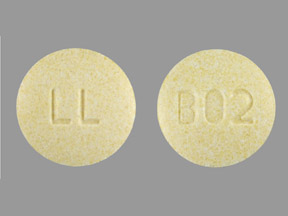
Lisinopril-Hydrochlorothiazide
Lisinopril-hydroCHLOROthiazide 20-12.5MG
What is Lisinopril-Hydrochlorothiazide?
If you have high blood pressure, your physician may prescribe lisinopril/hydrochlorothiazide. This medication can be used alone or with other medication to control blood pressure. Some physicians also use lisinopril/hydrochlorothiazide in the treatment of congestive heart failure.Side Effects
- Blistering, peeling, red skin rash
- Fever, chills, sore throat, body aches
- Dark urine or pale stools, nausea, vomiting, loss of appetite, stomach pain, yellow skin or eyes
Warnings
- This medicine is not safe to take during pregnancy, especially in your second or third trimester. It could harm an unborn baby. Tell your doctor right away if you become pregnant.
- Tell your doctor if you are breastfeeding, or if you have kidney disease, liver disease, heart or blood vessel disease, heart failure, diabetes, high cholesterol, gout, lupus, trouble urinating, or a history of allergies or asthma, or if you have had surgery of the nerves.
- This medicine may cause the following problems:Angioedema (severe swelling), including head, neck, and intestinal swellingLow blood pressureLiver problemsEye or vision problems, including glaucoma, myopiaKidney problemsHigh uric acidHigh cholesterol or fats in the bloodIncreased risk for skin cancer
- This medicine could lower your blood pressure too much, especially when you first use it or if you are dehydrated. Stand or sit up slowly if you feel lightheaded or dizzy.
- Do not stop using the medicine without asking your doctor, even if you feel well. This medicine will not cure your high blood pressure, but it will help keep it in the normal range. You may have to take blood pressure medicine for the rest of your life.
Prescription savings · · · ·
What is Lisinopril-Hydrochlorothiazide ?
If you have high blood pressure, your physician may prescribe lisinopril/hydrochlorothiazide. This medication can be used alone or with other medication to control blood pressure. Some physicians also use lisinopril/hydrochlorothiazide in the treatment of congestive heart failure.- Blistering, peeling, red skin rash
- Fever, chills, sore throat, body aches
- Dark urine or pale stools, nausea, vomiting, loss of appetite, stomach pain, yellow skin or eyes
- Lightheadedness, dizziness, fainting
- Dry mouth, increased thirst, muscle cramps
- Allergic reaction: Itching or hives, swelling in your face or hands, swelling or tingling in your mouth or throat, chest tightness, trouble breathing
- Change in how much or how often you urinate
- Severe stomach pain
- Sores, reddish patch or irritated area, shiny bump, pink growth, or white, yellow or waxy scar-like area on the skin
- Confusion, weakness, uneven heartbeat, trouble breathing, numbness in your hands, feet, or lips
- Eye pain, vision changes, seeing halos around lights
- This medicine is not safe to take during pregnancy, especially in your second or third trimester. It could harm an unborn baby. Tell your doctor right away if you become pregnant.
- Tell your doctor if you are breastfeeding, or if you have kidney disease, liver disease, heart or blood vessel disease, heart failure, diabetes, high cholesterol, gout, lupus, trouble urinating, or a history of allergies or asthma, or if you have had surgery of the nerves.
- This medicine may cause the following problems:Angioedema (severe swelling), including head, neck, and intestinal swellingLow blood pressureLiver problemsEye or vision problems, including glaucoma, myopiaKidney problemsHigh uric acidHigh cholesterol or fats in the bloodIncreased risk for skin cancer
- This medicine could lower your blood pressure too much, especially when you first use it or if you are dehydrated. Stand or sit up slowly if you feel lightheaded or dizzy.
- Do not stop using the medicine without asking your doctor, even if you feel well. This medicine will not cure your high blood pressure, but it will help keep it in the normal range. You may have to take blood pressure medicine for the rest of your life.
- Drink plenty of fluids if you exercise, sweat more than usual, or have diarrhea or vomiting while you are using this medicine.
- This medicine may make your skin more sensitive to sunlight. Wear sunscreen. Do not use sunlamps or tanning beds.
- This medicine may make you bleed, bruise, or get infections more easily. Take precautions to prevent illness and injury. Wash your hands often.
- Tell any doctor or dentist who treats you that you are using this medicine. This medicine may affect certain medical test results.
- Your doctor will do lab tests at regular visits to check on the effects of this medicine. Keep all appointments.
- Keep all medicine out of the reach of children. Never share your medicine with anyone.
Lisinopril-Hydrochlorothiazide Coupons & Prices
Lisinopril-hydroCHLOROthiazide 20-12.5MG
4 ED medications in one dose
Sildenafil, tadalafil, apomorphine & L-Citrulline · Works in ~15 min · Lasts up to 36 hours
Lisinopril-Hydrochlorothiazide prices by dosage
Lowest cash price with a free Rx.com coupon vs. the average retail price.
| Dosage | Quantity | Retail price | Rx.com price |
|---|---|---|---|
| 10-12.5mg · Tablet | 30 | $23.99 | $6.73 |
| 20-12.5mg · Tablet | 30 | $30.56 | $5.88 |
| 20-25mg · Tablet | 30 | $18.00 | $4.00 |
Cash prices near ZIP 77433; updated regularly. Actual pharmacy price may vary.
If you are looking for a lisinopril-hydrochlorothiazide coupon, you are in the right place. Lisinopril and hydrochlorothiazide is a two-in-one blood pressure tablet that combines an ACE inhibitor with a thiazide diuretic, and it is available as an FDA-approved generic, so it is already one of the lower-cost prescriptions at the pharmacy. Even so, the cash price for the exact same tablet can differ a lot from one pharmacy to the next, sometimes across the street from each other. Rx.com compares cash prices at more than 60,000 pharmacies nationwide, so you can enter your ZIP code above, pick your strength (commonly 10/12.5 mg, 20/12.5 mg, or 20/25 mg) and quantity, and see today's price near you. Our free coupon can be used with or without insurance, though it cannot be combined with insurance on the same fill.
What is lisinopril and hydrochlorothiazide, and how does it work?
Lisinopril and hydrochlorothiazide is a fixed-dose combination tablet approved by the FDA to treat hypertension (high blood pressure). Lowering blood pressure reduces the risk of fatal and nonfatal cardiovascular events, primarily strokes and heart attacks. It pairs two medicines that lower blood pressure in different ways. Lisinopril is an ACE inhibitor: it relaxes and widens blood vessels so blood flows more easily. Hydrochlorothiazide is a thiazide diuretic, or "water pill": it helps the kidneys remove extra salt and fluid from the body.
Because it is a combination product, it is generally not meant to be the first blood pressure medicine you ever take. Doctors typically prescribe it when blood pressure is not well controlled on lisinopril alone or hydrochlorothiazide alone, or as a convenient substitute for someone already taking both drugs separately at the same doses. It is sold under the brand name Zestoretic (Almatica Pharma); the older brand Prinzide (Merck) is no longer marketed in the US. Your prescriber decides which strength is right for you.
What it costs without insurance, and why comparing pharmacies matters
Here is the honest picture: the generic version of lisinopril-hydrochlorothiazide is widely made and is typically one of the cheaper maintenance medicines you can fill, especially compared with brand-name blood pressure drugs. That does not mean every pharmacy charges the same thing. Cash prices are set pharmacy by pharmacy, so the identical bottle of tablets can carry very different sticker prices at a big chain, a grocery store pharmacy, and an independent down the block. That spread is exactly why it pays to check before you fill instead of defaulting to habit.
To see real numbers, enter your ZIP code above. Rx.com pulls current cash prices from more than 60,000 participating pharmacies and shows what you would pay with our free discount coupon. A few tips that usually help:
- Compare the same strength and quantity across pharmacies, since the price per tablet often drops on larger fills.
- Ask your prescriber whether a 90-day supply is appropriate for you; it is frequently cheaper per dose than three monthly fills.
- Show the coupon to the pharmacist before they ring up the prescription. It is a cash-price discount, so it is used instead of insurance, not on top of it.
- There is no manufacturer copay savings card for this combination; brand information is available on Almatica's official website, and any program terms vary.
Alternatives and related blood pressure medicines
Only your prescriber can decide what belongs in your regimen, but it helps to know the landscape when you talk to them. If the combination is not a good fit, common alternatives include the individual components on their own (lisinopril or hydrochlorothiazide), another ACE inhibitor such as enalapril, or a calcium channel blocker such as amlodipine.
People who cannot tolerate an ACE inhibitor, most often because of a persistent dry cough, are frequently switched to an ARB such as losartan or to the combination tablet losartan-hydrochlorothiazide. Chlorthalidone is another thiazide-type diuretic your doctor may consider. All of these have low-cost generics, and all of them can be price-compared on Rx.com. Do not switch or stop a blood pressure medicine on your own; stopping suddenly can send your blood pressure back up without any warning symptoms.
Safety information you should know
This medicine carries a boxed warning for fetal toxicity: drugs that act on the renin-angiotensin system can injure or kill a developing fetus. If you become pregnant, stop the medication and contact your doctor as soon as pregnancy is detected. Another serious risk is angioedema, a rapid swelling of the face, lips, tongue, throat, voice box, or even the intestines. It can be life-threatening, occurs more often in Black patients, and means this drug should not be used by anyone with a history of ACE-inhibitor-related angioedema or hereditary or idiopathic angioedema. Get emergency help for sudden swelling or trouble breathing or swallowing. The combination is also contraindicated in people who are not producing urine (anuria).
Other things to be aware of, and to discuss with your provider:
- Low blood pressure with dizziness or fainting, especially if you are dehydrated or on a low-salt diet.
- Blood chemistry changes: lisinopril can raise potassium, while hydrochlorothiazide can lower potassium, sodium, and magnesium and raise calcium. Expect periodic blood tests.
- Kidney effects, including reduced kidney function, particularly with heart failure, narrowed kidney arteries, or regular NSAID use.
- A persistent dry cough; rarely, liver problems or jaundice.
- Hydrochlorothiazide is a sulfonamide, so it can cause sudden nearsightedness or acute angle-closure glaucoma, sun sensitivity, gout flares, higher blood sugar and cholesterol, worsening lupus, and, with long-term use, an increased risk of non-melanoma skin cancer. Use sun protection.
- Interactions to flag: NSAIDs such as ibuprofen, potassium supplements or salt substitutes and potassium-sparing diuretics, lithium, aliskiren (avoid if you have diabetes), ARBs (dual blockade of the same system), sacubitril-containing products (do not use within 36 hours), mTOR inhibitors, and injectable gold.
This page is general information, not medical advice. Bring your full medication list, including over-the-counter products and supplements, to your provider or pharmacist.
This Lisinopril-Hydrochlorothiazide information was written and reviewed against authoritative U.S. medical sources — MedlinePlus (U.S. National Library of Medicine), DailyMed, and FDA prescribing information — and checked for accuracy. It is provided for education and is not a substitute for professional medical advice.
Verify the official label: Lisinopril-Hydrochlorothiazide on DailyMed (FDA)
Reviewed against FDA labeling · Last reviewed July 2026
Related Drugs
Browse more medications: starting with L · full A-Z directory · by condition · common drugs
Medical disclaimer: This information is provided for general educational purposes only and is not medical advice. It is not a substitute for professional diagnosis or treatment. Always consult a licensed physician, pharmacist, or other qualified healthcare provider before starting, stopping, or changing any medication or treatment. Never disregard professional medical advice or delay seeking it because of something you read here. If you think you may have a medical emergency, call your doctor or 911 immediately.


