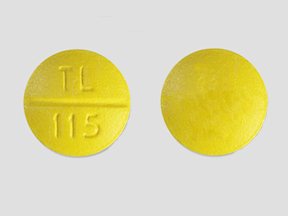
Prochlorperazine Maleate
Prochlorperazine Maleate 10MG
¿Qué es Prochlorperazine Maleate?
Después de una cirugía o tratamiento contra el cáncer, es común experimentar náuseas y vómitos. En casos como este, los médicos podrían recetar maleato de proclorperazina. Este medicamento puede administrarse por boca, intravenosamente, mediante inyección en el músculo o por supositorio rectal. El maleato de proclorperazina también ha sido utilizado para tratar migrañas.Side Effects
- Jerky muscle movement you cannot control (often in your face, tongue, or jaw)
- Yellow skin or eyes
- Fever, sweating, confusion, uneven heartbeat, muscle stiffness
Warnings
- Keep all medicine out of the reach of children. Never share your medicine with anyone.
- This medicine may change how your body regulates temperature. Avoid activities that could cause you to become very cold, hot, or dehydrated.
- This medicine may make you bleed, bruise, or get infections more easily. Take precautions to prevent illness and injury. Wash your hands often.
- Tell any doctor or dentist who treats you that you are using this medicine. This medicine may affect certain medical test results.
- Your doctor will do lab tests at regular visits to check on the effects of this medicine. Keep all appointments.
Prescription savings · ·
¿Qué es Prochlorperazine Maleate ?
Después de una cirugía o tratamiento contra el cáncer, es común experimentar náuseas y vómitos. En casos como este, los médicos podrían recetar maleato de proclorperazina. Este medicamento puede administrarse por boca, intravenosamente, mediante inyección en el músculo o por supositorio rectal. El maleato de proclorperazina también ha sido utilizado para tratar migrañas.Prochlorperazine Maleate Cupones y Precios - Rx.com
Prochlorperazine Maleate 10MG
4 ED medications in one dose
Sildenafil, tadalafil, apomorphine & L-Citrulline · Works in ~15 min · Lasts up to 36 hours
Prochlorperazine Maleate prices by dosage
Lowest cash price with a free Rx.com coupon vs. the average retail price.
| Dosis | Cantidad | Retail price | Rx.com price |
|---|---|---|---|
| 5mg · Tablet | 30 | $26.99 | $14.79 |
| 10mg · Tablet | 30 | — | $12.21 |
Cash prices near ZIP 77433; updated regularly. Actual pharmacy price may vary.
Si está buscando un cupón de maleato de proclorperazina, el maleato de proclorperazina ya es la forma genérica en tableta de este medicamento, pero los precios en efectivo pueden variar ampliamente de una farmacia a otra en su área — a veces de forma significativa — que es exactamente por eso que vale la pena comparar antes de surtir su receta. Rx.com compara precios en más de 60,000 farmacias en EE. UU., así que puede ingresar su código postal arriba para ver el precio de hoy cerca de usted.
¿Qué Es el Maleato de Proclorperazina?
El maleato de proclorperazina es la forma de sal en tableta oral de la proclorperazina, una fenotiazina — un antipsicótico convencional (de primera generación, o "típico") que también se usa ampliamente para controlar las náuseas y los vómitos. En forma de tableta está aprobado por la FDA para tres cosas: control de náuseas y vómitos severos, manejo de los síntomas de esquizofrenia, y tratamiento a corto plazo de la ansiedad no psicótica generalizada (hasta 20 mg por día, por no más de 12 semanas, y solo cuando otros tratamientos no han funcionado) debido a un riesgo de discinesia tardía con el uso prolongado.
En algunos entornos clínicos, la proclorperazina también se receta fuera de indicación (off-label) para las náuseas y el dolor de cabeza asociados con la migraña, aunque ese no es un uso aprobado por la FDA para este producto.
Comparando Precios del Maleato de Proclorperazina
Debido a que las tabletas de maleato de proclorperazina ya son genéricas, no hay una versión de marca con la cual comparar para esta forma — pero eso no significa que todas las farmacias cobren el mismo precio en efectivo. Los precios de los genéricos pueden diferir sustancialmente de una farmacia o cadena a otra, así que vale la pena verificar antes de recoger su receta. La marca original, Compazine, ha sido descontinuada en EE. UU., por lo que no hay una tarjeta de ahorro del fabricante vinculada a este medicamento; comparar farmacias es la manera principal de manejar el costo.
Ingrese su código postal arriba para comparar los precios del maleato de proclorperazina entre farmacias cerca de usted y ver el precio de hoy en cada una.
Maleato de Proclorperazina vs. Compazine y Otras Opciones
Compazine era el nombre de marca original de la proclorperazina y ha sido descontinuado en los Estados Unidos, pero las tabletas genéricas de maleato de proclorperazina que contienen el mismo ingrediente activo siguen disponibles. Una marca aparte, Compro, es un supositorio rectal — una forma de dosificación y vía de administración diferente a las tabletas que cubre esta página, así que las dos no son intercambiables sin la orientación de su médico.
Para las náuseas y los vómitos, su médico también puede discutir otras opciones antieméticas como ondansetron, prometazina, metoclopramida, o meclizina. Para los síntomas psicóticos, a veces se compara con otro antipsicótico convencional como el haloperidol. Estos son medicamentos diferentes con sus propios usos, dosificaciones y perfiles de efectos secundarios — no son sustitutos directos del maleato de proclorperazina — así que cualquier cambio debe hacerse a través de su médico.
Información de Seguridad
La proclorperazina tiene una advertencia en recuadro: los pacientes de edad avanzada con psicosis relacionada con demencia que son tratados con medicamentos antipsicóticos como este tienen un mayor riesgo de muerte, y no está aprobado por la FDA para ese uso. También puede causar síndrome neuroléptico maligno, síntomas extrapiramidales (rigidez muscular o temblor), y discinesia tardía, particularmente con dosis más altas o uso prolongado a la dosis usada para el tratamiento de la ansiedad. Otros efectos pueden incluir somnolencia, mareos, hipotensión ortostática (una caída en la presión arterial al ponerse de pie), y efectos en el ritmo cardíaco relacionados con el intervalo QT.
- Evite el alcohol mientras toma este medicamento.
- Use precaución durante el embarazo, especialmente en el tercer trimestre, y no está destinado para niños menores de 2 años o de menos de 20 lb.
- Puede causar un resultado falso positivo en una prueba de embarazo.
Esto es información general, no consejo médico — hable con su médico o farmacéutico sobre si el maleato de proclorperazina es adecuado para usted.
La información sobre Prochlorperazine Maleate fue redactada y revisada con base en fuentes médicas autorizadas de EE. UU. (MedlinePlus, de la Biblioteca Nacional de Medicina de EE. UU.; DailyMed; y la información de prescripción de la FDA) y verificada para asegurar su precisión. Se ofrece con fines educativos y no sustituye el consejo médico profesional.
Consulte la etiqueta oficial: Prochlorperazine Maleate en DailyMed (FDA)
Revisado con base en el etiquetado de la FDA · Última revisión: julio de 2026
Medicamentos Relacionados
Browse more medications: starting with P · full A-Z directory · by condition · common drugs
Medical disclaimer: This information is provided for general educational purposes only and is not medical advice. It is not a substitute for professional diagnosis or treatment. Always consult a licensed physician, pharmacist, or other qualified healthcare provider before starting, stopping, or changing any medication or treatment. Never disregard professional medical advice or delay seeking it because of something you read here. If you think you may have a medical emergency, call your doctor or 911 immediately.


