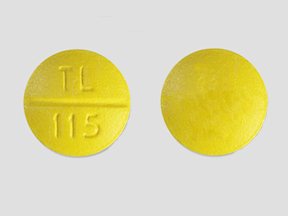
Prochlorperazine Maleate
Prochlorperazine Maleate 10MG
What is Prochlorperazine Maleate?
After surgery or cancer treatment, nausea and vomiting are common. In cases like this, doctors might prescribe prochlorperazine maleate. The drug can be given by mouth, intravenously, by muscle injection, or by rectal suppository. Prochlorperazine maleate has also been used to treat migraine headaches.Side Effects
- Jerky muscle movement you cannot control (often in your face, tongue, or jaw)
- Yellow skin or eyes
- Fever, sweating, confusion, uneven heartbeat, muscle stiffness
Warnings
- Keep all medicine out of the reach of children. Never share your medicine with anyone.
- This medicine may change how your body regulates temperature. Avoid activities that could cause you to become very cold, hot, or dehydrated.
- This medicine may make you bleed, bruise, or get infections more easily. Take precautions to prevent illness and injury. Wash your hands often.
- Tell any doctor or dentist who treats you that you are using this medicine. This medicine may affect certain medical test results.
- Your doctor will do lab tests at regular visits to check on the effects of this medicine. Keep all appointments.
Prescription savings · · · ·
What is Prochlorperazine Maleate ?
After surgery or cancer treatment, nausea and vomiting are common. In cases like this, doctors might prescribe prochlorperazine maleate. The drug can be given by mouth, intravenously, by muscle injection, or by rectal suppository. Prochlorperazine maleate has also been used to treat migraine headaches.- Jerky muscle movement you cannot control (often in your face, tongue, or jaw)
- Yellow skin or eyes
- Fever, sweating, confusion, uneven heartbeat, muscle stiffness
- Fever, chills, cough, sore throat, body aches
- Dizziness, lightheadedness, or fainting
- Allergic reaction: Itching or hives, swelling in your face or hands, swelling or tingling in your mouth or throat, chest tightness, trouble breathing
- Severe sleepiness
- Unusual bleeding, bruising, or weakness
- Keep all medicine out of the reach of children. Never share your medicine with anyone.
- This medicine may change how your body regulates temperature. Avoid activities that could cause you to become very cold, hot, or dehydrated.
- This medicine may make you bleed, bruise, or get infections more easily. Take precautions to prevent illness and injury. Wash your hands often.
- Tell any doctor or dentist who treats you that you are using this medicine. This medicine may affect certain medical test results.
- Your doctor will do lab tests at regular visits to check on the effects of this medicine. Keep all appointments.
- This medicine may make you dizzy or drowsy, or may cause trouble with thinking or controlling body movements, which may lead to falls, fractures or other injuries. Do not drive or do anything that could be dangerous until you know how this medicine affects you. You may also feel lightheaded when getting up suddenly from a lying or sitting position, so stand up slowly.
- This medicine may cause the following problems:Extrapyramidal reaction (a muscle and nerve disorder)Neuroleptic malignant syndrome (a nerve disorder that could be life-threatening)Tardive dyskinesia (a muscle disorder that could become permanent)
- Tell your doctor if you are pregnant or breastfeeding, or if you have liver disease, heart disease, blood or bone marrow problems, bowel blockage, brain tumor, glaucoma, low blood pressure, pheochromocytoma, Reye syndrome, seizures, or a history of breast cancer.
Prochlorperazine Maleate Coupons & Prices
Prochlorperazine Maleate 10MG
4 ED medications in one dose
Sildenafil, tadalafil, apomorphine & L-Citrulline · Works in ~15 min · Lasts up to 36 hours
Prochlorperazine Maleate prices by dosage
Lowest cash price with a free Rx.com coupon vs. the average retail price.
| Dosage | Quantity | Retail price | Rx.com price |
|---|---|---|---|
| 5mg · Tablet | 30 | $26.99 | $14.79 |
| 10mg · Tablet | 30 | — | $12.21 |
Cash prices near ZIP 77433; updated regularly. Actual pharmacy price may vary.
If you're looking for a prochlorperazine maleate coupon, prochlorperazine maleate is already the generic tablet form of this medication, but cash prices for it can still vary widely from one pharmacy to the next in your area — sometimes significantly — which is exactly why it pays to compare before you fill. Rx.com compares prices across more than 60,000 U.S. pharmacies, so you can enter your ZIP above to see today's price near you.
What Is Prochlorperazine Maleate?
Prochlorperazine maleate is the oral tablet salt form of prochlorperazine, a phenothiazine — a conventional (first-generation, or "typical") antipsychotic that's also widely used to control nausea and vomiting. In tablet form it's FDA-approved for three things: control of severe nausea and vomiting, management of schizophrenia symptoms, and short-term treatment of generalized non-psychotic anxiety (up to 20 mg per day, for no more than 12 weeks, and only when other treatments haven't worked) because of a risk of tardive dyskinesia with longer use.
In some clinical settings, prochlorperazine is also prescribed off-label for migraine-associated nausea and headache, though that is not an FDA-approved use for this product.
Comparing Prochlorperazine Maleate Prices
Because prochlorperazine maleate tablets are already generic, there's no brand-name version to compare against for this form — but that doesn't mean every pharmacy charges the same cash price. Pricing for generics can differ substantially from one pharmacy or chain to the next, so it's worth checking before you pick up your prescription. The original brand, Compazine, has been discontinued in the U.S., so there is no manufacturer savings card tied to this drug; comparing pharmacies is the main way to manage cost.
Enter your ZIP code above to compare prochlorperazine maleate prices across pharmacies near you and see today's price at each one.
Prochlorperazine Maleate vs. Compazine and Other Options
Compazine was the original brand name for prochlorperazine and has been discontinued in the United States, but generic prochlorperazine maleate tablets containing the same active ingredient remain available. A separate brand, Compro, is a rectal suppository — a different dosage form and route of administration than the tablets this page covers, so the two aren't interchangeable without your prescriber's guidance.
For nausea and vomiting, your doctor may also discuss other antiemetic options such as ondansetron, promethazine, metoclopramide, or meclizine. For psychotic symptoms, another conventional antipsychotic like haloperidol is sometimes compared. These are different medications with their own uses, dosing, and side effect profiles — not direct substitutes for prochlorperazine maleate — so any change should go through your prescriber.
Safety Information
Prochlorperazine carries a boxed warning: elderly patients with dementia-related psychosis who are treated with antipsychotic drugs like this one have an increased risk of death, and it is not FDA-approved for that use. It can also cause neuroleptic malignant syndrome, extrapyramidal symptoms (muscle stiffness or tremor), and tardive dyskinesia, particularly with higher doses or prolonged use at the anxiety-treatment dose. Other effects can include drowsiness, dizziness, orthostatic hypotension (a drop in blood pressure on standing), and QT-related heart rhythm effects.
- Avoid alcohol while taking this medication.
- Use caution during pregnancy, especially in the third trimester, and it is not intended for children under 2 years old or under 20 lb.
- It may cause a false-positive pregnancy test.
This is general information, not medical advice — talk with your doctor or pharmacist about whether prochlorperazine maleate is right for you.
This Prochlorperazine Maleate information was written and reviewed against authoritative U.S. medical sources — MedlinePlus (U.S. National Library of Medicine), DailyMed, and FDA prescribing information — and checked for accuracy. It is provided for education and is not a substitute for professional medical advice.
Verify the official label: Prochlorperazine Maleate on DailyMed (FDA)
Reviewed against FDA labeling · Last reviewed July 2026
Related Drugs
Browse more medications: starting with P · full A-Z directory · by condition · common drugs
Medical disclaimer: This information is provided for general educational purposes only and is not medical advice. It is not a substitute for professional diagnosis or treatment. Always consult a licensed physician, pharmacist, or other qualified healthcare provider before starting, stopping, or changing any medication or treatment. Never disregard professional medical advice or delay seeking it because of something you read here. If you think you may have a medical emergency, call your doctor or 911 immediately.


