Impact-Site-Verification: 2721d812-1059-4270-b9fa-5c1654788cd1

Get weight loss treatment From $99/mo LegitScript certified Licensed U.S. pharmacy Licensed U.S. providers
Prescription hair regrowth

Oral Minoxidil Online: Regrow Thicker Hair With One Daily Capsule

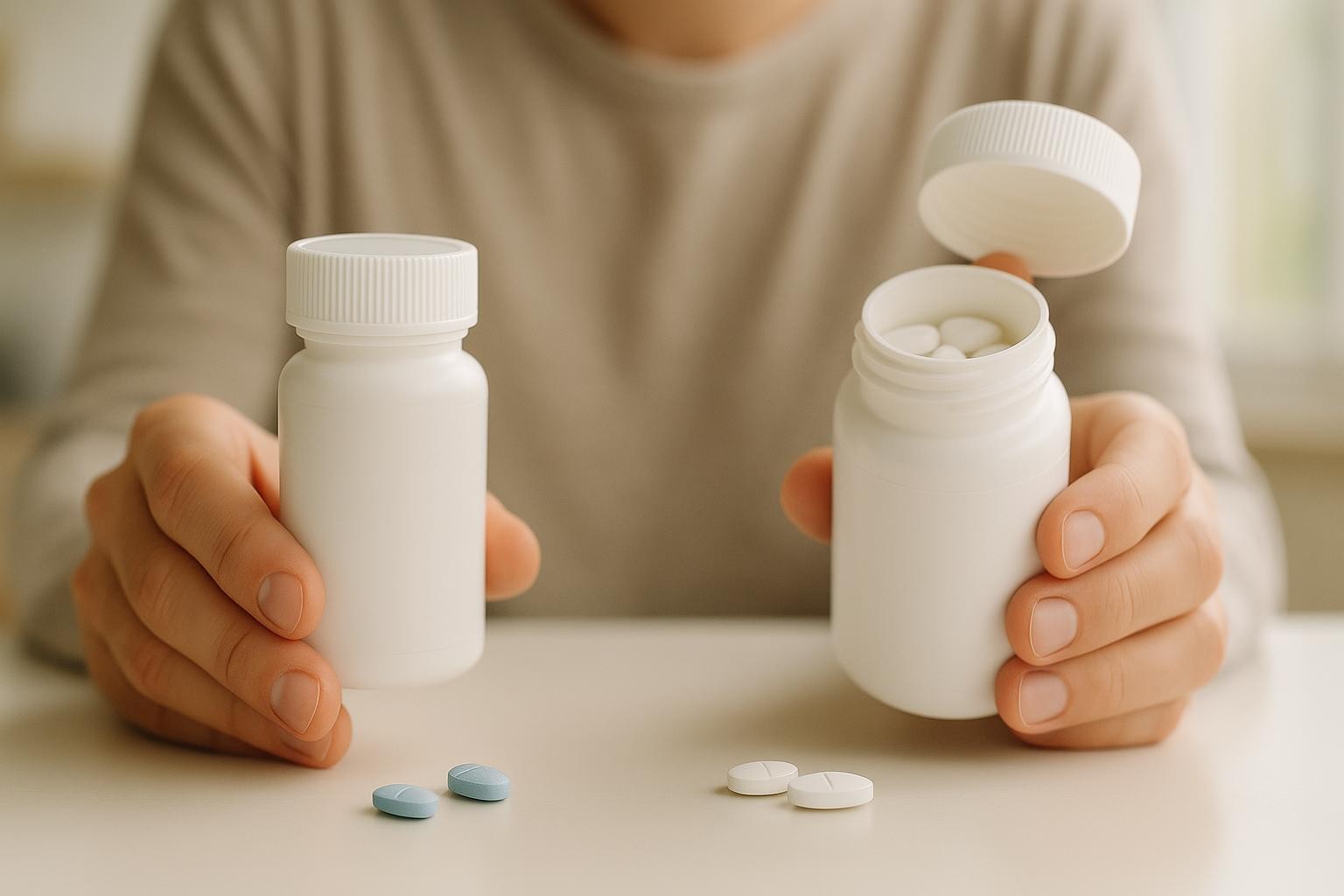
Low-dose oral minoxidil is one of the fastest-growing hair loss treatments, with no scalp routine. Rx.com offers it in one daily capsule two ways: with finasteride for men, or with spironolactone for women. Each is $79 for a 3-month supply, with the online visit with a U.S.-licensed provider and shipping included.

  • One capsule a day, no scalp routine
  • For men: minoxidil + finasteride
  • For women: minoxidil + spironolactone
  • Billed only if prescribed, no auto-renewal
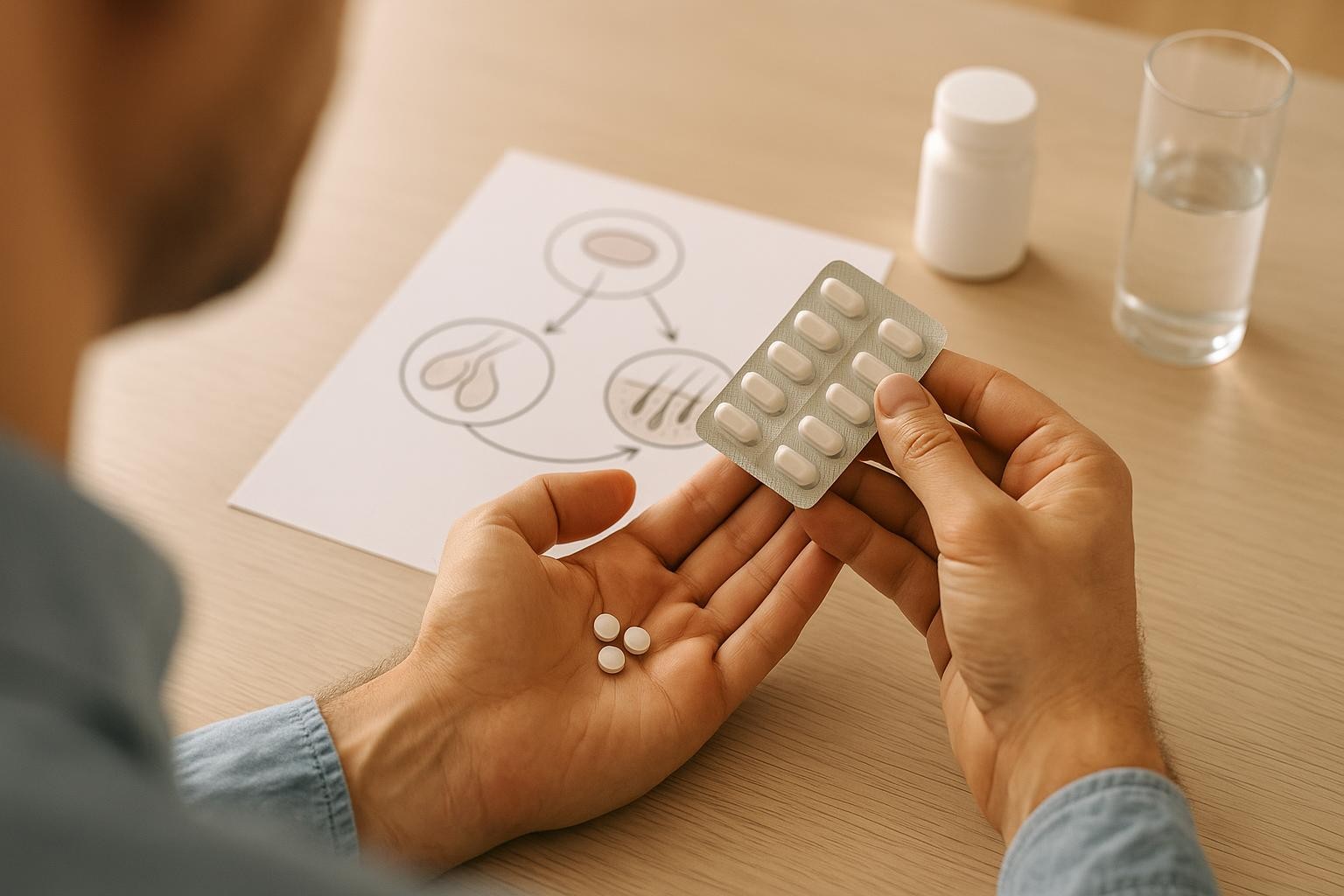
Oral Minoxidil + Finasteride

For men · compounded

Oral Minoxidil + Finasteride

Daily capsule · minoxidil 1 mg + finasteride 1.25 mg · 90-day supply

Two hair loss medicines in one daily capsule: finasteride lowers DHT to stop loss while low-dose minoxidil pushes follicles back into growth.

$79 for 3 months Get Started
Oral Minoxidil + Spironolactone

For women · compounded

Oral Minoxidil + Spironolactone

Daily capsule · 90-day supply

For women with thinning hair: low-dose minoxidil to boost growth plus spironolactone to block the hormones that thin hair. Not for use in pregnancy.
$79 for 3 months Get Started
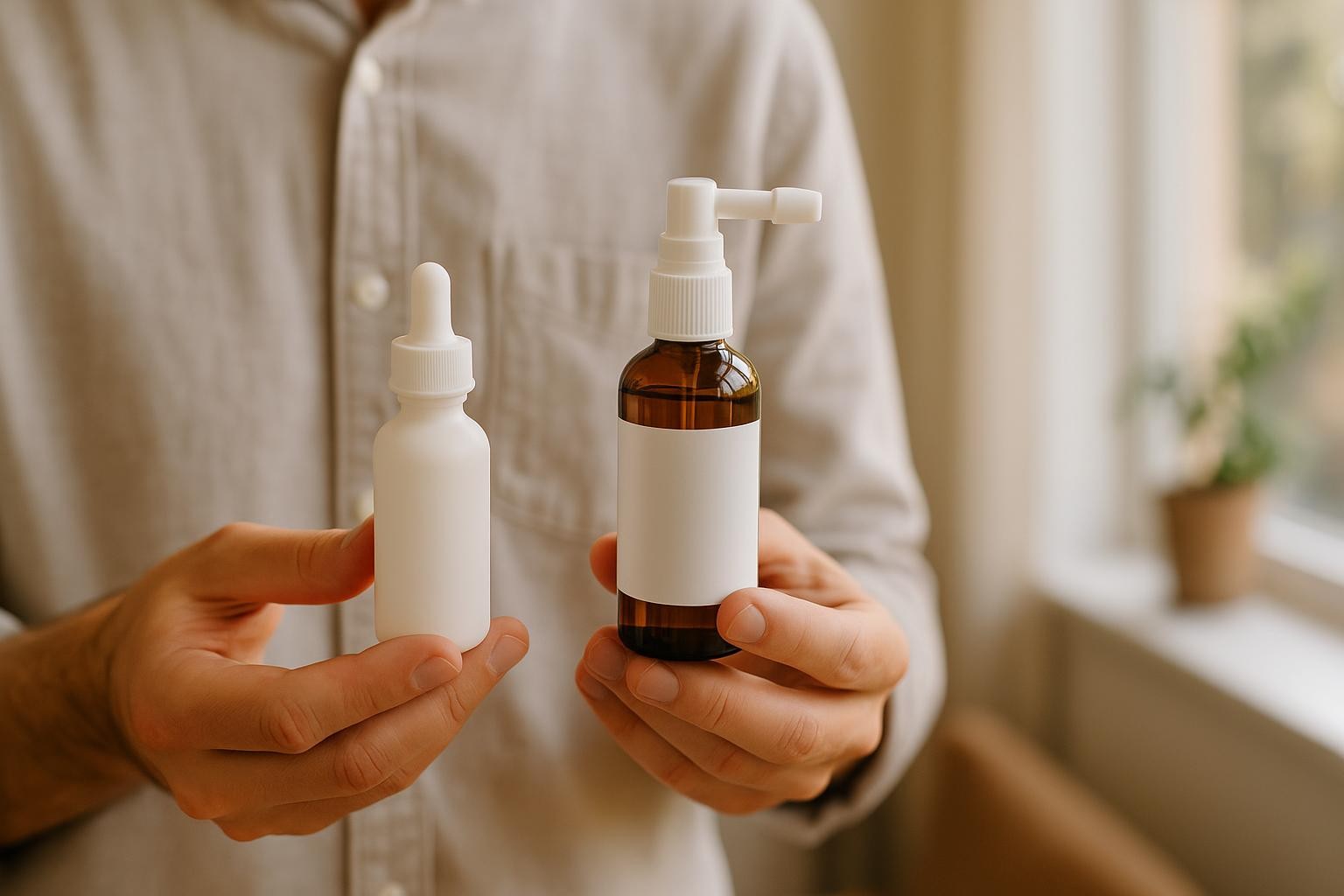
Topical Finasteride + Minoxidil

Compounded · coming soon

Topical Finasteride + Minoxidil

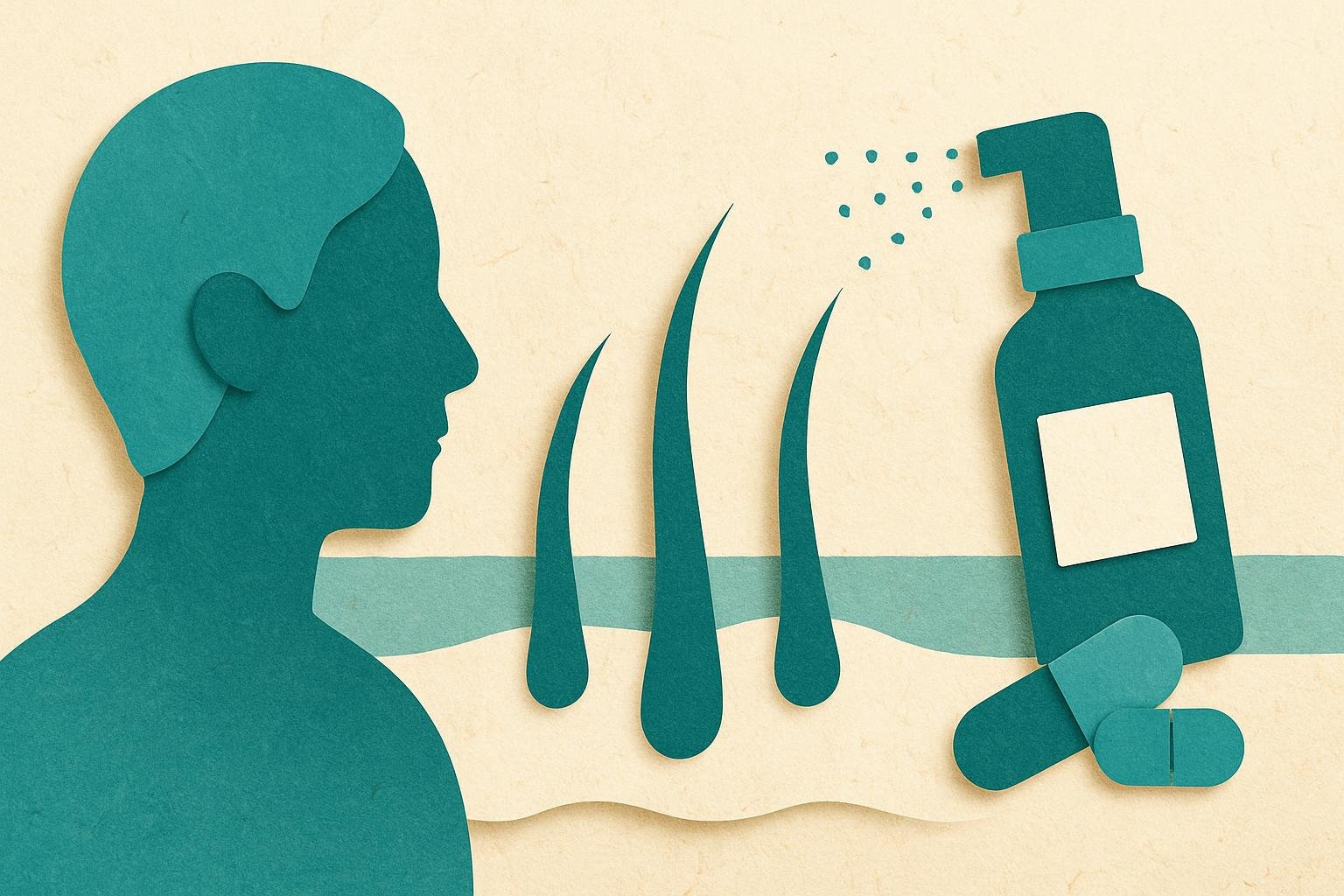
Scalp spray, applied daily

Both ingredients in a scalp spray, for people who would rather not take a pill. Coming soon.

Coming soon

Already have a prescription? Compare free coupon prices below

How it works

Minoxidil grows. The second ingredient protects.

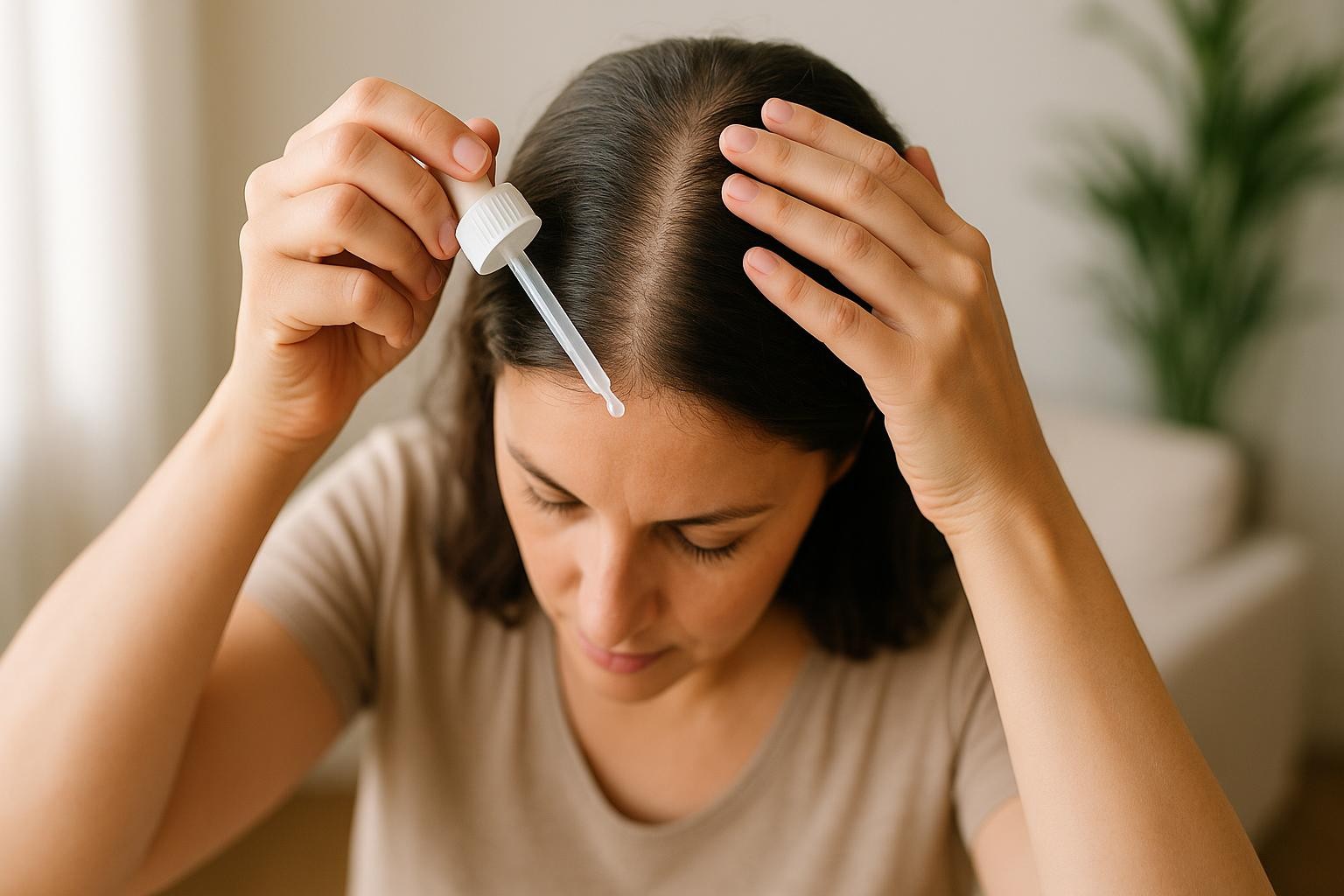
Minoxidil lengthens the growth phase of hair follicles and enlarges shrunken ones, so hair grows thicker and fuller. Over-the-counter minoxidil foam (Rogaine) is FDA-approved for pattern hair loss. Low doses taken by mouth are prescribed off-label, and many people find a capsule easier to stick with than a twice-daily scalp routine.

Pattern hair loss is driven by hormones, so minoxidil works best alongside something that blocks them. For men that is finasteride, which lowers DHT; for women it is spironolactone, which blocks androgens at the follicle. Rx.com's capsules combine both in one daily dose. They are compounded by a licensed pharmacy for each patient and are not FDA-approved. Prefer finasteride on its own? See Rx.com finasteride.

Who it is for

Top-down view of a full head of hair at the crownMen

Thinning crown or hairline

Minoxidil + finasteride targets growth and the hormone behind male pattern loss at once.

Woman in her late 40s with full shoulder-length hair smilingWomen

Thinning part or overall volume

Minoxidil + spironolactone is a common choice for female pattern hair loss.

Man with full hair smiling while getting ready in the morningNo routine

Done with foams and drops

One capsule a day instead of applying minoxidil to the scalp twice a day.

Oral capsules vs. over-the-counter minoxidil

Minoxidil + finasterideMinoxidil + spironolactoneOTC minoxidil 5%
Who it is forMenWomenMen and women
What it doesBoosts growth and lowers DHTBoosts growth and blocks androgensBoosts growth only
Daily routineOne capsuleOne capsuleFoam or liquid on the scalp, once or twice a day
PrescriptionYesYesNo
Price$79 for 3 months$79 for 3 monthsVaries by store

Over-the-counter minoxidil 5% is a good, cheap first step and needs no prescription. A provider can help if you want more than minoxidil alone. A topical finasteride + minoxidil spray from Rx.com is coming soon.
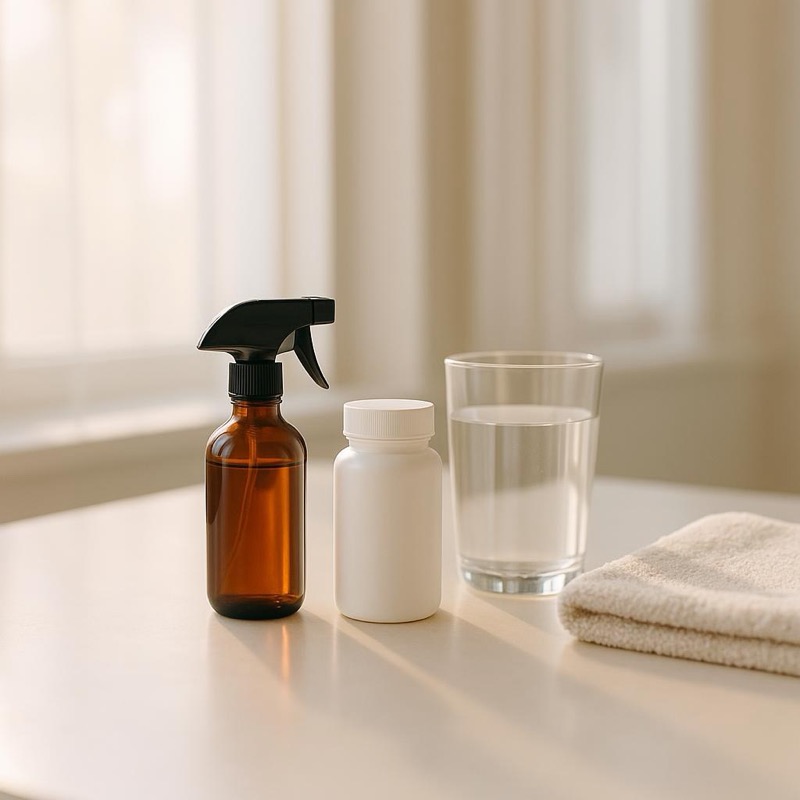
Bathroom counter with a pill bottle and a glass of water One capsule, once a day

What to expect

Take one capsule a day, at the same time each day. Take photos of your hairline, part or crown before you start so you can judge progress fairly.

Many people shed more for a few weeks after starting minoxidil. That is old hairs making room for new growth and usually settles by month 2 or 3. Results last only as long as you keep taking it.

  • Weeks 2-8

    The shed

    A temporary increase in shedding is common and usually a sign the follicles are responding.

  • Months 3-6

    New growth

    Fine new hairs and less shedding for many people.

  • Months 6-12

    Fuller hair

    New hairs thicken and darken; keep taking it to keep the results.

How it works

Licensed provider smiling during a video consultation U.S.-licensed providers
1

Online health intake

A short, confidential questionnaire about your hair loss, health and medications. No appointment, no waiting room.

2

Provider review

A U.S.-licensed provider reviews your answers and prescribes only if treatment is right for you.

3

Delivered to your door

A licensed U.S. pharmacy fills your prescription and ships it to you.

FAQs

What is low-dose oral minoxidil?
Minoxidil is the same ingredient as Rogaine, taken by mouth at a low dose. It is prescribed off-label for hair loss and is popular because a daily capsule is easier to stick with than a scalp foam or liquid.
What is in Rx.com's capsules?
For men: minoxidil 1 mg + finasteride 1.25 mg in one capsule. For women: minoxidil + spironolactone in one capsule. Both are compounded by a licensed U.S. pharmacy for each patient and are not FDA-approved. Your provider decides which, if either, is right for you.
What side effects can oral minoxidil cause?
The most common is extra hair on the face or body. Less often: ankle swelling, a fast heartbeat, dizziness or headache. People with heart problems or low blood pressure need their doctor's input first. Tell your provider about any side effect that bothers you.
Who should not take spironolactone?
Spironolactone is for women only here. It must not be used in pregnancy, so women who could become pregnant need reliable contraception. It can raise potassium, so people with kidney problems or who take potassium supplements or certain blood pressure medicines need their doctor first.
Why does minoxidil make hair fall out at first?
Minoxidil pushes resting hairs out so new growing hairs can replace them. The shed usually lasts a few weeks and is a sign it is working.
How long until I see results?
Most people need 3 to 6 months to see new growth and about 12 months for the full effect. Results last only while you keep taking it.
How much does it cost?
$79 for a 3-month supply of either capsule, paid once, with the online provider visit and shipping included. No membership and no auto-renewal, and you are billed only if a provider prescribes it. If you already have a minoxidil prescription, compare free coupon prices at pharmacies near you below.
Do you have a topical spray?
A topical finasteride + minoxidil spray is coming soon. Plain minoxidil 5% foam or liquid is sold over the counter and needs no prescription.

Important safety information

Rx.com's minoxidil capsules are compounded medications and are not FDA-approved; the FDA has not reviewed compounded drugs for safety, effectiveness or quality. Oral minoxidil can cause unwanted facial or body hair, fluid retention, swelling, a rapid heartbeat, chest pain and dizziness. Get medical care right away for chest pain, fainting, shortness of breath or sudden weight gain or swelling.

Minoxidil + finasteride is for men: women who are or may become pregnant must not take it or handle broken capsules, because finasteride can harm a male baby. Finasteride can cause decreased libido, erection or ejaculation problems, breast tenderness and mood changes including depression, and it lowers PSA. Minoxidil + spironolactone is for women and must not be used in pregnancy; spironolactone can raise potassium and cause irregular periods, breast tenderness and dizziness.

Ready to get started?

A confidential online visit with a U.S.-licensed provider, and treatment shipped to your door if it is right for you. See all hair loss treatments.

See If You Qualify Have a prescription? Compare coupon prices

Prescription required. Medications are prescribed only when clinically appropriate after an evaluation by a licensed independent provider. Compounded medications are prepared by a licensed pharmacy for an individual patient and are not FDA-approved; the FDA has not evaluated them for safety, effectiveness or quality. Individual results vary.

Medical services: All clinical evaluations, treatment planning and prescribing decisions are made by licensed independent medical providers. Rx.com provides the technology platform, does not employ healthcare providers and does not practice medicine. This page is for information and is not a substitute for professional medical advice.

Minoxidil Tablet — prescription drug image

Minoxidil

Minoxidil

What is Minoxidil?

Minoxidil is available as both a prescription oral medication and an over-the-counter topical treatment for hair loss. The price of minoxidil can vary depending on the formulation, strength, pharmacy, and insurance coverage. Compare pharmacy prices and save with a free Rx.com Prescription Discount Card.

Prescription savings · · · ·

What is Minoxidil ?

Minoxidil is available as both a prescription oral medication and an over-the-counter topical treatment for hair loss. The price of minoxidil can vary depending on the formulation, strength, pharmacy, and insurance coverage. Compare pharmacy prices and save with a free Rx.com Prescription Discount Card.

  • Swelling in the hands, ankles, or feet
  • Unusual tiredness or weakness
  • Tightness in chest and trouble breathing
  • Chest pain (may be related to your disease and not a side effect)
  • Fast heartbeat
  • Fever, chills, sore throat
  • Lightheadedness or fainting
  • Unusual bleeding or bruising
  • Make sure your doctor knows if you are pregnant or breastfeeding, or if you have heart disease (especially congestive heart failure or recent heart attack), liver disease, kidney disease (or are on dialysis), or history of a stroke.
  • If you stop using this medicine, your blood pressure may go up. High blood pressure usually has no symptoms. Even if you feel well, do not stop using the medicine without asking your doctor.
  • Your doctor will need to check your progress at regular visits while you are using this medicine. Be sure to keep all appointments.
  • Lightheadedness or fainting
  • Swelling in the hands, ankles, or feet
  • Tightness in chest and trouble breathing
  • Unusual bleeding or bruising
  • Unusual tiredness or weakness
Is minoxidil available in a pill (oral) form, and is it FDA-approved for hair loss? ▼
Yes, minoxidil comes as an oral tablet (brand name Loniten), but the pill is FDA-approved only for severe, hard-to-control high blood pressure - not for hair loss. Low-dose oral minoxidil is sometimes used off-label for hair loss when topical treatment isn't enough or isn't tolerated, but that use is not FDA-approved. Only the topical forms (such as Rogaine) are FDA-approved for hair regrowth. Any oral use for hair loss should be decided and monitored by your provider.
What is the difference between oral minoxidil (Loniten) and topical minoxidil (Rogaine)? ▼
Loniten is the oral tablet, FDA-approved for severe high blood pressure that hasn't responded to other medicines, and it is normally taken with a beta-blocker and a diuretic. Rogaine is the topical form (2% or 5% solution and 5% foam) that you apply to the scalp; it is available over the counter and FDA-approved to help regrow hair in male- and female-pattern hair loss. Both contain the same active ingredient, minoxidil, but they are used for very different purposes and carry different risks.
What are the side effects of low-dose oral minoxidil? ▼
Common effects of oral minoxidil include unwanted facial or body hair (hypertrichosis), fluid retention with weight gain and swelling, a faster heartbeat, and lightheadedness or low blood pressure. Because the FDA has stated the boxed warning applies regardless of dose, even low-dose oral minoxidil can carry heart-related risks such as fluid around the heart or worsening chest pain. Talk with your prescriber about monitoring, and report symptoms like shortness of breath, swelling, chest pain, or a racing heartbeat.
Why does oral minoxidil have a black box warning? ▼
Oral minoxidil has an FDA boxed (black box) warning because it can cause serious fluid buildup around the heart (pericardial effusion), which can occasionally progress to cardiac tamponade - a dangerous condition - especially in people with reduced kidney function. It can also worsen angina (chest pain). For these reasons it is usually reserved for high blood pressure that has failed maximal doses of a diuretic plus two other blood pressure medicines, and it is given under close supervision, generally alongside a beta-blocker and a diuretic.
How long does it take for minoxidil to regrow hair, and what happens if you stop using it? ▼
Hair regrowth with minoxidil is gradual and takes consistent use over several months before results become noticeable, and it is common to see extra shedding at first. Minoxidil does not cure hair loss - it works only while you keep using it. If you stop, the hair-growth benefit typically fades and hair loss usually returns to where it would have been. Ask your provider or pharmacist what to expect for your specific situation.
How much does Minoxidil 2.5MG cost without insurance? ▼
The price of Minoxidil 2.5MG without insurance varies by pharmacy, dosage, and quantity. Rx.com compares cash prices at more than 60,000 US pharmacies so you can find the lowest price near you. Many people save 60–90% off retail prices with a free Rx.com coupon.
What are the common side effects of Minoxidil 2.5MG? ▼
Common side effects of Minoxidil 2.5MG may include: Swelling in the hands, ankles, or feet, Unusual tiredness or weakness, Tightness in chest and trouble breathing, Chest pain (may be related to your disease and not a side effect), Fast heartbeat. This is not a complete list — consult your pharmacist or doctor for full side effect information.
Is there a generic version of Minoxidil 2.5MG? ▼
Generic versions may be available for Minoxidil 2.5MG. Generics contain the same active ingredients as brand-name drugs and are typically 80–90% cheaper. Search Minoxidil 2.5MG on Rx.com to compare generic and brand prices at pharmacies near you.
What is the cheapest pharmacy for Minoxidil 2.5MG? ▼
The cheapest pharmacy for Minoxidil 2.5MG depends on your location and dosage. Rx.com compares prices at CVS, Walgreens, Walmart, Kroger, Costco, and thousands of independent pharmacies. Enter your ZIP code on Rx.com to find the lowest price for Minoxidil 2.5MG near you.

Minoxidil Coupons & Prices

Minoxidil

Minoxidil Tablet — prescription drug image

No Prescription Needed

Minoxidil is available over the counter — order online or pick up at a pharmacy near you.

Where to Buy Minoxidil

Shop at a Retailer
Amazon
See Price →
CVS
See Price →
Walgreens
See Price →
Available Over-the-Counter No prescription needed.
Amazon
Minoxidil

No prescription needed. Purchase online or in-store.

AVAILABLE OVER-THE-COUNTER
Amazon
Shop Online

Minoxidil prices by dosage

Lowest cash price with a free Rx.com coupon vs. the average retail price.

Dosage Quantity Retail price Rx.com price
2.5mg · Tablet 30 $27.99 $9.89
10mg · Tablet 30 $25.99 $9.00

Cash prices near ZIP 77433; updated regularly. Actual pharmacy price may vary.

Looking for a minoxidil coupon? Minoxidil is available as a low-cost generic, but the cash price still varies widely from one pharmacy to the next, so comparing before you fill can make a real difference. Rx.com checks prices across more than 60,000 pharmacies so you can find today's best price near you. Enter your ZIP code above to see current minoxidil prices and a free discount coupon you can use with or without insurance.

What is minoxidil and how does it work?

Minoxidil is a direct-acting vasodilator, meaning it relaxes and widens blood vessels. As an oral tablet (brand name Loniten), it is FDA-approved for severe high blood pressure that has not responded to a diuretic plus two other blood pressure medicines; it is normally taken along with a beta-blocker and a diuretic to control the fast heartbeat and fluid buildup that can otherwise occur.

Minoxidil also stimulates hair growth by opening potassium channels in the scalp. Applied to the skin as a topical solution or foam (brand name Rogaine, 2% and 5%), it is FDA-approved over the counter to help regrow hair in male- and female-pattern hair loss (androgenetic alopecia). A generic version is available in both oral and topical forms.

Minoxidil cost and how to save without insurance

Minoxidil is a generic, which usually keeps it among the more affordable options, but the cash price is not the same everywhere. The exact amount you pay can differ a lot depending on the pharmacy, the formulation (oral tablet versus topical foam or solution), and the strength. That is why comparing pharmacies matters, even for an inexpensive generic.

Rx.com compares live prices across more than 60,000 pharmacies and gives you a free discount coupon that works whether or not you have insurance. Because generic prices move, we don't list a fixed dollar figure here. Enter your ZIP code above to see today's minoxidil price near you and print or show the coupon at the pharmacy.

Related medicines and hair-loss alternatives

If you are treating hair loss, minoxidil is often discussed alongside other options your provider may consider. These work in different ways and have their own approvals and risks, so the right choice depends on your situation:

  • Rogaine - the topical minoxidil brand, available over the counter
  • Loniten - the oral minoxidil brand approved for severe high blood pressure
  • finasteride - an oral medicine used for male-pattern hair loss
  • dutasteride - a related oral medicine in the same drug family
  • spironolactone - sometimes used for female-pattern hair loss

Only your prescriber can tell you which option fits you. You can compare prices for any of these on Rx.com by entering your ZIP code.

Safety and side effects

Oral minoxidil carries an FDA boxed warning: it can cause serious fluid buildup around the heart (pericardial effusion, occasionally progressing to a dangerous condition called cardiac tamponade), and it can worsen chest pain (angina). Because of this, oral minoxidil is generally reserved for hard-to-control high blood pressure and is used under close medical supervision, usually with a beta-blocker and a diuretic. The FDA has said this warning applies no matter the dose or reason for use, so even low-dose oral minoxidil is not free of heart-related risk. Common effects can include unwanted facial or body hair, fluid retention and weight gain, a faster heartbeat, and lightheadedness.

Topical minoxidil is generally well tolerated but can cause scalp irritation or itching, unwanted facial hair, and an early increase in shedding when you first start. Rarely, enough is absorbed to cause dizziness, rapid heartbeat, chest pain, or swelling. Minoxidil should not be used by people with a tumor called pheochromocytoma, and it is generally avoided in pregnancy. This is general information, not medical advice - talk with your doctor or pharmacist about whether minoxidil is right for you and report any concerning symptoms.

Sources & accuracy

This Minoxidil information was written and reviewed against authoritative U.S. medical sources — MedlinePlus (U.S. National Library of Medicine), DailyMed, and FDA prescribing information — and checked for accuracy. It is provided for education and is not a substitute for professional medical advice.

Verify the official label: Minoxidil on DailyMed (FDA)

Reviewed against FDA labeling · Last reviewed July 2026

Minoxidil — Articles & Guides

40 articles
Finasteride in Your 20s: When to Start Treating Hair Loss
Early treatment is the best way to keep your hair. This guide explains why beginning finasteride in your 20s slows male-pattern hair loss, what results to expect, safety facts, and the simplest way to get a prescription online through Rx.com.
The Most Effective Hair Loss Treatments for Men in 2026, Ranked by Evidence
Wondering which hair-loss option really works? We sort the science on finasteride, minoxidil, dutasteride, microneedling, platelet-rich plasma, laser helmets and supplements, then show you how to start topical finasteride + minoxidil online through Rx.com (launching soon).
Dutasteride for Hair Loss: Getting an Off-Label Prescription Online
Oral dutasteride can regrow hair when finasteride or minoxidil are not enough. Learn the science, risks, and practical steps to talk to an online provider once Rx.com’s hair loss treatments go live.
Can You Get a GLOW Peptide Prescription in the United States?
Is the social-media famous “GLOW” peptide something your doctor can legally prescribe? This deep dive breaks down the FDA’s 503A rules, where each component peptide stands today, and what it means for patients who want real skin benefits without risking an unapproved injection.
How Much Does Tretinoin Cost? Prices With and Without Insurance
Generic tretinoin can run $21–$61 cash per 20-g tube, yet many people pay as little as $0–$10 with insurance or a coupon. This guide explains current 2026 prices, how coverage works for acne versus anti-aging, and how Rx.com’s online tretinoin cream (launching soon) keeps costs predictable.
How to Get a Finasteride Prescription Online
Thinking about treating your receding hairline without leaving home? This guide explains who qualifies for finasteride, what an online visit asks, how much it costs, and when you should see a dermatologist in person.
Crown Thinning Treatment: Best Options for a Thinning Vertex
Worried about a bald spot forming on your crown? This in-depth guide explains why the vertex thins first, the evidence behind minoxidil and finasteride, and the pros and cons of transplantation. See how Rx.com’s upcoming topical finasteride + minoxidil spray could streamline treatment.
Topical Finasteride and Minoxidil Results: What Users Can Expect at 3, 6 and 12 Months
Wondering when topical finasteride and minoxidil will start working? This guide breaks down results month by month, shows how to track progress and explains how to know whether the treatment is working.
How to Get Topical Finasteride and Minoxidil Spray Online
Step-by-step instructions for getting a prescription topical finasteride + minoxidil spray online, including candidacy, safety, and what the provider decides.
Propecia Online: Getting Brand or Generic Finasteride Prescribed
Thinking about ordering Propecia on the internet? Learn how legitimate telehealth visits work, brand vs generic costs, what the prescriber checks, and precautions like handling during pregnancy and PSA monitoring. See how Rx.com will soon ship FDA-approved finasteride straight to your door.
Finasteride vs Minoxidil: Which Hair Loss Treatment Should You Start With?
Finasteride tablets and minoxidil solutions are the only FDA-approved drugs for male pattern baldness. This guide compares their mechanisms, evidence, pros, cons, and when doctors recommend using one or both together.
Topical Finasteride Side Effects: Are They Lower Than the Pill?
Does applying finasteride to your scalp lower the risk of sexual side effects? This guide reviews the data on serum DHT changes, reported adverse events, and the FDA’s 2024 alert on compounded topical finasteride.
Topical Finasteride and Minoxidil: How the Combination Spray Works
A detailed guide to the science, benefits, risks, and real-world evidence behind compounded topical finasteride plus minoxidil for pattern hair loss. Understand how the combo works, what studies show, and how to discuss it with your provider.
Minoxidil Shedding: Why Your Hair Falls Out First and How Long It Lasts
Starting minoxidil can make more hairs end up in the sink before you see regrowth. This guide explains the science of the early ‘telogen shed,’ how long it lasts, and what to do if the shedding does not slow down.
Is Finasteride Covered by Insurance?
Wondering whether your health plan will pay for finasteride? This guide explains why insurers label the 1 mg hair-loss dose as cosmetic, when 5 mg is covered for prostate enlargement, typical cash prices, and smarter ways to save on treatment.
Topical Finasteride and Minoxidil Before and After: Realistic Expectations
Thinking about combining topical finasteride with minoxidil? This in-depth guide explains how the duo works, what honest before-and-after results look like, and why identical lighting matters more than you think.
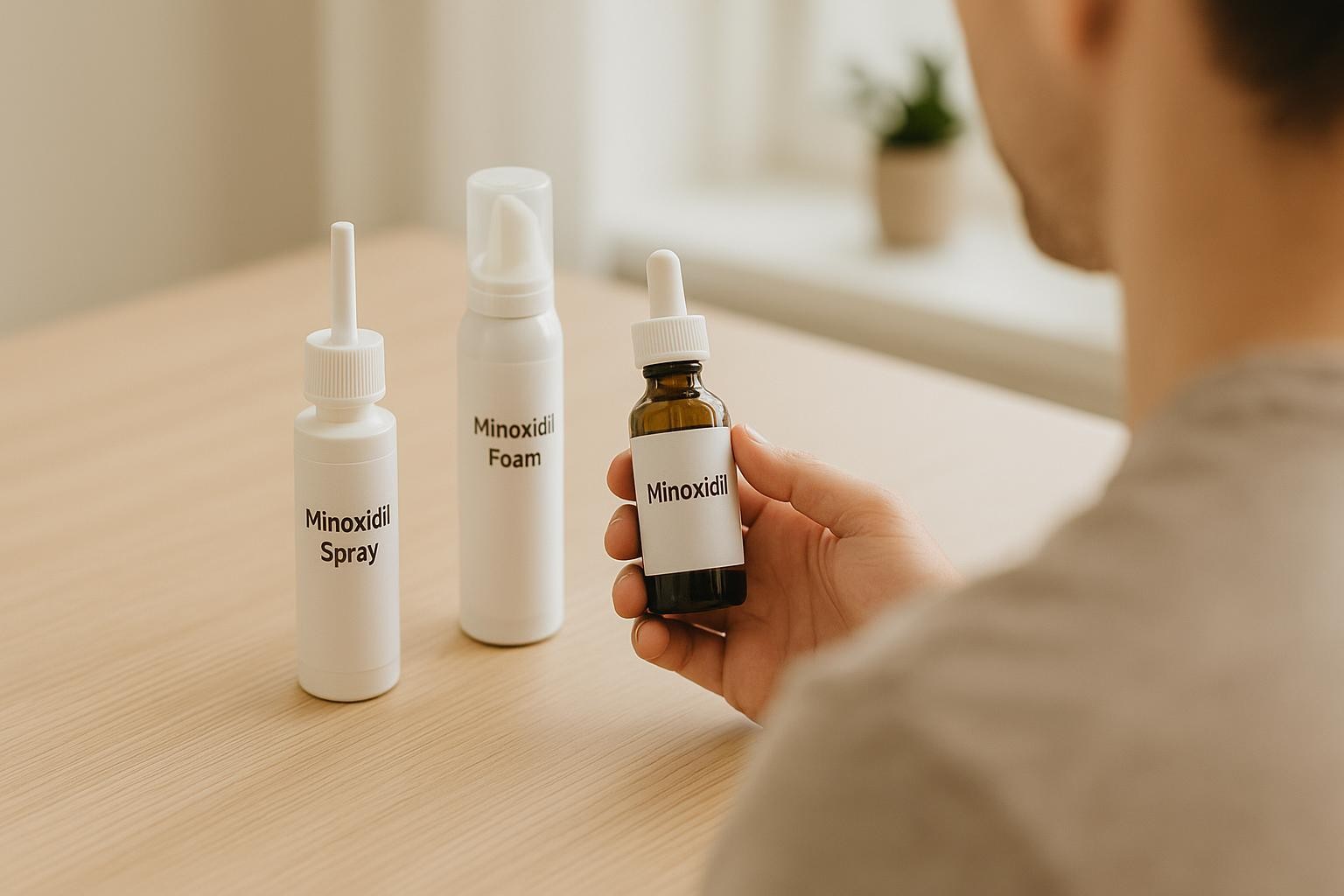
Minoxidil Spray vs Foam vs Solution: Which Form Is Best for You?
Not sure whether the traditional liquid, newer foam, or a metered spray is the best way to apply minoxidil? This guide breaks down the pros and cons of each form, their ingredients, absorption data and who tends to do best on each, so you can choose with confidence.
Switching From Oral Finasteride to Topical: Who Should Consider It
Finasteride tablets help millions of men slow male-pattern baldness, but some develop systemic side effects. This guide explains when a compounded topical finasteride + minoxidil spray might be an option, what the evidence says about keeping your results, and how an online provider can help you switch safely.
How Much Does Topical Finasteride and Minoxidil Cost?
Thinking about switching from pills and foams to an all-in-one finasteride-minoxidil spray? This guide breaks down what drives the price of compounded combinations, how they compare with OTC minoxidil and generic oral finasteride, and where Rx.com’s upcoming spray fits in.
Low-Dose Oral Minoxidil Prescription Online
Low-dose oral minoxidil offers a convenient alternative to twice-daily scalp drops. This guide explains how it compares with topical formulas, who is a good candidate, side-effect rates, and how to start the prescription process entirely online.
Can You Buy Finasteride Online Safely? What Is Legal and What to Avoid
Finasteride treats male pattern hair loss, but it is prescription-only in the United States. This guide shows you exactly how to get a legal prescription online, spot rogue pharmacies, avoid fake pills from overseas, and compare costs.
Dutasteride vs Finasteride for Hair Loss: Strength, Side Effects and Who Each Suits
Finasteride is the only FDA-approved pill for male pattern hair loss in the U.S., but many dermatologists prescribe the stronger 5-alpha-reductase blocker dutasteride off-label. This guide breaks down how each drug lowers DHT, how much hair they regrow, side-effect odds, blood-donation wait times, and how Rx.com’s upcoming online program will let you access prescription treatment from home.
Low-Dose Oral Minoxidil Side Effects: What to Know Before You Start
Low-dose oral minoxidil can jump-start hair regrowth, but it is still a blood-pressure drug at heart. This guide explains the most common side effects, who should get medical clearance before starting, and practical tips to keep treatment on track.
Does Topical Finasteride Work Without Minoxidil?
Wondering if a finasteride spray can work without adding minoxidil? This guide reviews the science behind topical finasteride alone versus combination formulas, who may benefit, safety tips, and how to start treatment online.
Does Finasteride Lower Testosterone? DHT, Testosterone and Hormones Explained
Finasteride drops scalp DHT about 70 % but usually leaves testosterone in the normal range. This guide unpacks the science, side-effects and what the hormone changes really mean for hair, muscle, libido and mood.
Minoxidil for Women: Treating Female Pattern Hair Loss
Minoxidil remains the only FDA-approved drug for female pattern hair loss. This guide explains how topical foam and off-label tablets work, what results to expect, safety tips, and where to get prescription options online.
Finasteride Dosage for Hair Loss: How It Is Prescribed
The only FDA-approved finasteride dosage for male pattern hair loss is 1 mg taken once daily. Learn how the dose works, why taking more is not better, what to do if you miss a pill, and how providers tailor treatment.
What Is Finasteride Used For? Hair Loss and Enlarged Prostate Explained
Finasteride blocks the hormone that shrinks hair follicles and enlarges the prostate. At 1 mg it slows male pattern baldness; at 5 mg it relieves urinary symptoms of benign prostatic hyperplasia (BPH). This guide explains how finasteride works, who should and should not take it, common side effects, and how to start treatment online.
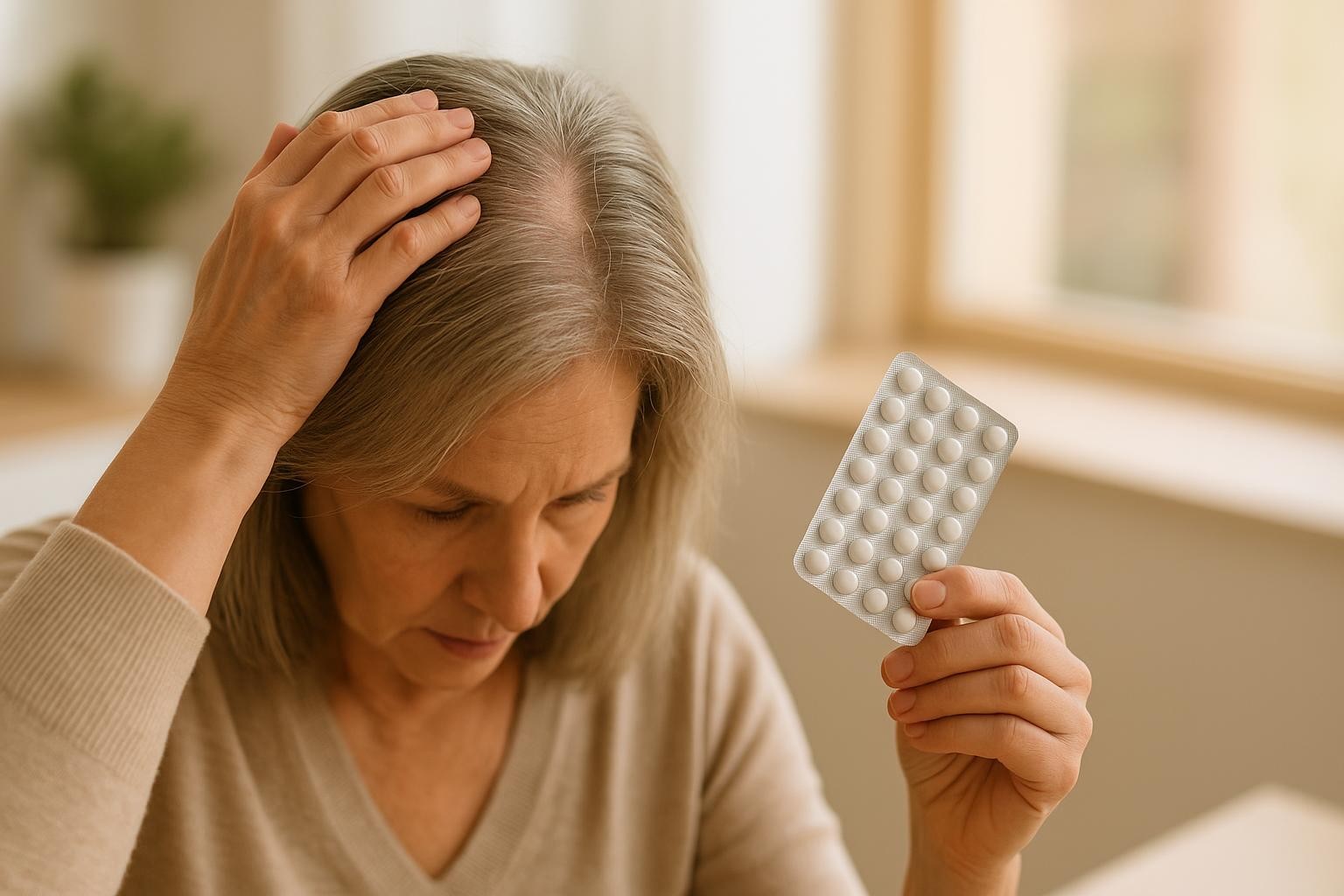
Topical Finasteride for a Receding Hairline
Topical finasteride targets DHT right in the scalp, so it can thicken hair at the temples with fewer systemic side effects than the pill. See how it works, real trial numbers, and where to get a prescription online when Rx.com's combination spray launches.
Is Compounded Topical Finasteride FDA-Approved? Safety and Regulation Explained
Compounded topical finasteride can help with hair loss, but it is not FDA-approved. This guide breaks down the FDA’s 2025 risk alert, 503A compounding rules, real-world safety data, and how to find a reputable provider.
Finasteride and Minoxidil Together: Why the Combination Works Better
Using finasteride and minoxidil together tackles hair loss on two fronts: blocking DHT and jump-starting new growth. This guide covers how the combo works, study data, side effects, and how to start treatment online.
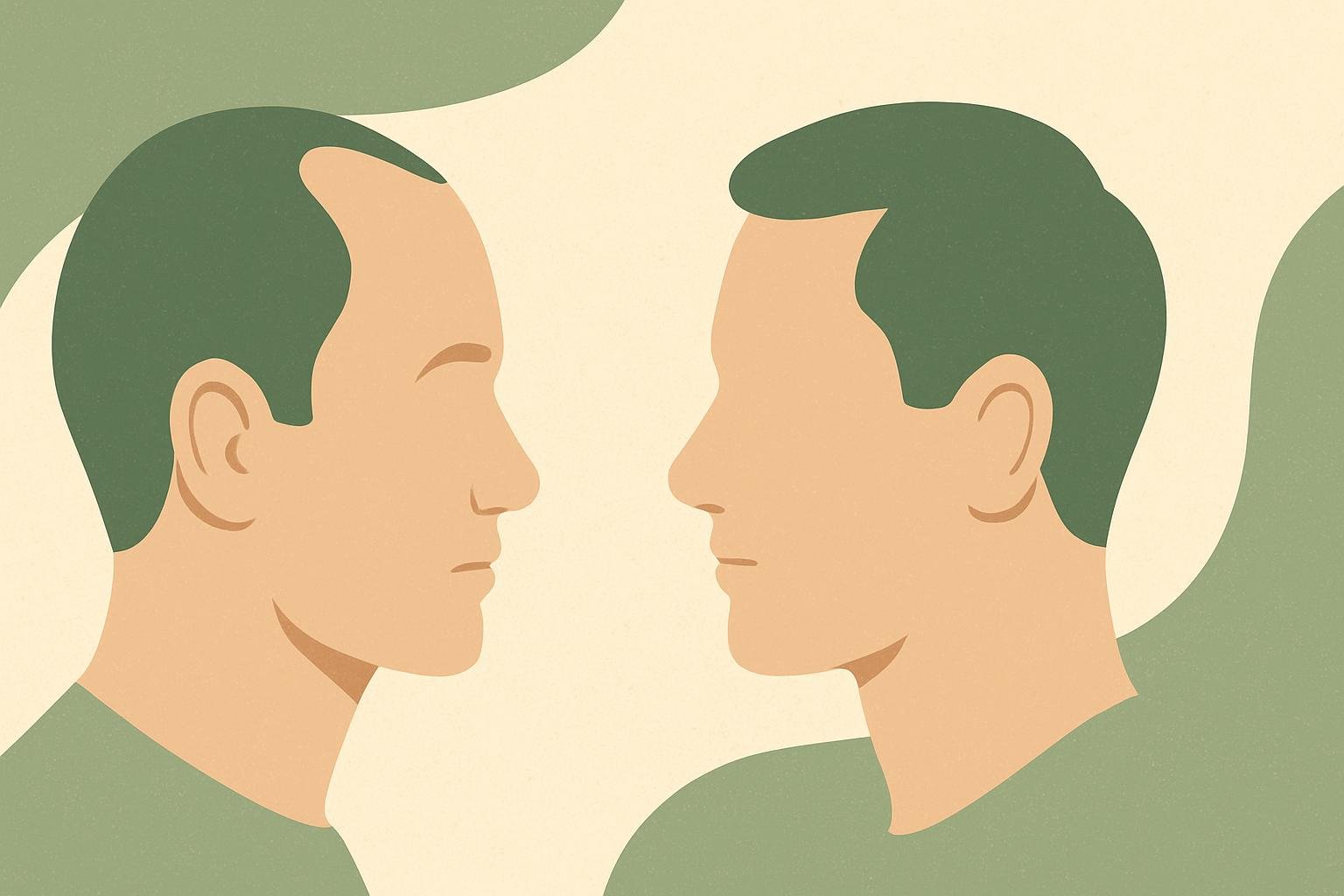
How to Apply Topical Finasteride and Minoxidil Spray for Best Results
A practical, evidence-based guide to putting topical finasteride + minoxidil spray on your scalp the right way. Includes drying times, safety tips, and when to call your doctor.
Finasteride 1 mg vs 5 mg: Propecia vs Proscar and Why the Dose Differs
Finasteride 1 mg (Propecia) is FDA-approved for male pattern hair loss, whereas finasteride 5 mg (Proscar) treats enlarged prostate symptoms. This guide explains how each dose works, effectiveness, side effects, and why a clinician, not a pill cutter, should decide which tablet you take.
How Much Does Finasteride Cost? Prices With and Without Insurance
Generic finasteride 1 mg tablets often cost under $15 a month with a coupon, even though retail cash prices run over $100. Learn exactly what affects finasteride pricing, why most insurers consider it cosmetic, and how to pay less, including Rx.com’s coming online option.
Hydroquinone for Post-Inflammatory Hyperpigmentation and Acne Marks
Post-inflammatory hyperpigmentation (PIH) can linger for months after acne clears, especially in deeper skin tones. This guide explains why, how hydroquinone and tretinoin work together to lighten spots, and what to expect when you start treatment online.
Hair Thinning in Menopause: Does HRT Help?
Hair looking thinner after 45? Menopause, falling estrogen, thyroid problems, and low iron all play a role. See what the evidence says about estrogen therapy for hair, plus dermatologist-backed ways to regrow strands and when to call your doctor.
Do Peptides Work for Hair Growth?
Copper peptides and other cosmetic peptides are popping up in scalp serums and microneedling cocktails, but do they actually regrow hair? This evidence-based guide breaks down what the science says, how they stack up against proven drugs like minoxidil and finasteride, and what to expect in real life.
Oral vs Topical Minoxidil: Which Works Better for Hair Loss?
Thinking about switching from topical minoxidil foam to low-dose oral tablets? This evidence-based guide compares how each form grows hair, their side-effects, costs and who benefits most.
Does Finasteride Really Work for Hair Loss? What to Expect
Finasteride is the only oral FDA-approved pill for male-pattern hair loss. This guide explains exactly how it works, what results to expect month by month, the real risk of side effects, and how to combine it with minoxidil for thicker hair at the lowest possible price.
Mature Hairline vs Receding Hairline: How to Tell the Difference
Most men notice their hairline change after puberty, but not every shift is the start of baldness. This guide shows you how to tell a normal mature hairline from a true receding hairline, when to act, and which FDA-approved treatments really work.
¿Buscando esta página en español?

Related Drugs

Browse more medications: starting with M · full A-Z directory · by condition · common drugs

Medical disclaimer: This information is provided for general educational purposes only and is not medical advice. It is not a substitute for professional diagnosis or treatment. Always consult a licensed physician, pharmacist, or other qualified healthcare provider before starting, stopping, or changing any medication or treatment. Never disregard professional medical advice or delay seeking it because of something you read here. If you think you may have a medical emergency, call your doctor or 911 immediately.


Don't Miss Out On Savings!