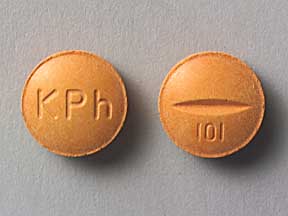
Azulfidine
Azulfidine 500MG
What is Azulfidine?
Sulfasalazine is an anti-inflammatory medication primarily used to treat inflammatory bowel diseases such as ulcerative colitis and Crohn's disease, as well as rheumatoid arthritis. It works by modulating the immune response and inhibiting the production of pro-inflammatory factors in the body. The drug is a combination of sulfapyridine and 5-aminosalicylic acid, which together help reduce inflammation and alleviate symptoms associated with these chronic conditions.Side Effects
- Nausea
- Vomiting
- Loss of appetite
Warnings
- May cause an allergic reaction in patients with sensitivity to sulfa drugs.
- Use with caution in patients with liver or kidney impairment.
- Can cause blood disorders, including agranulocytosis and aplastic anemia.
- Monitor for signs of infection due to potential immunosuppressive effect.
- Discontinue use if severe skin reactions or liver dysfunction occur.
Prescription savings · · · ·
What is Azulfidine ?
Sulfasalazine is an anti-inflammatory medication primarily used to treat inflammatory bowel diseases such as ulcerative colitis and Crohn's disease, as well as rheumatoid arthritis. It works by modulating the immune response and inhibiting the production of pro-inflammatory factors in the body. The drug is a combination of sulfapyridine and 5-aminosalicylic acid, which together help reduce inflammation and alleviate symptoms associated with these chronic conditions.- Nausea
- Vomiting
- Loss of appetite
- Headache
- Rash
- Fatigue
- Fever
- Abdominal pain
- Diarrhea
- May cause an allergic reaction in patients with sensitivity to sulfa drugs.
- Use with caution in patients with liver or kidney impairment.
- Can cause blood disorders, including agranulocytosis and aplastic anemia.
- Monitor for signs of infection due to potential immunosuppressive effect.
- Discontinue use if severe skin reactions or liver dysfunction occur.
- Not recommended for use in patients with porphyria.
- May interfere with folic acid metabolism; supplementation may be required.
- Avoid use in patients with G6PD deficiency due to risk of hemolytic anemia.
- Use caution in pregnant and breastfeeding women; consult a doctor.
Azulfidine Coupons & Prices
Azulfidine 500MG

Weight-loss medication, prescribed online
Licensed U.S. providers · No insurance needed · Shipped to your door
Related Drugs
Browse more medications: starting with A · full A-Z directory · by condition · common drugs
Medical disclaimer: This information is provided for general educational purposes only and is not medical advice. It is not a substitute for professional diagnosis or treatment. Always consult a licensed physician, pharmacist, or other qualified healthcare provider before starting, stopping, or changing any medication or treatment. Never disregard professional medical advice or delay seeking it because of something you read here. If you think you may have a medical emergency, call your doctor or 911 immediately.


