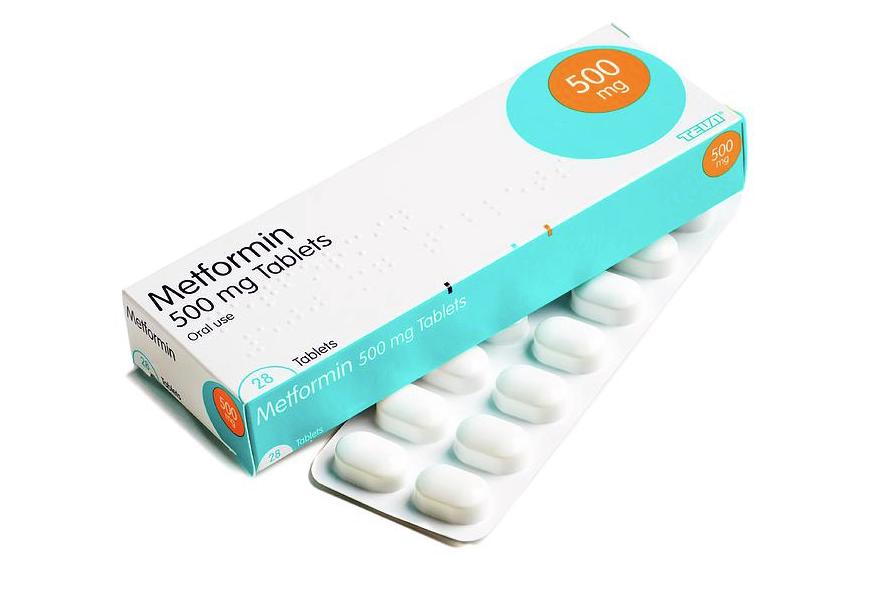
Metformin
Metformin 500MG
What is Metformin?
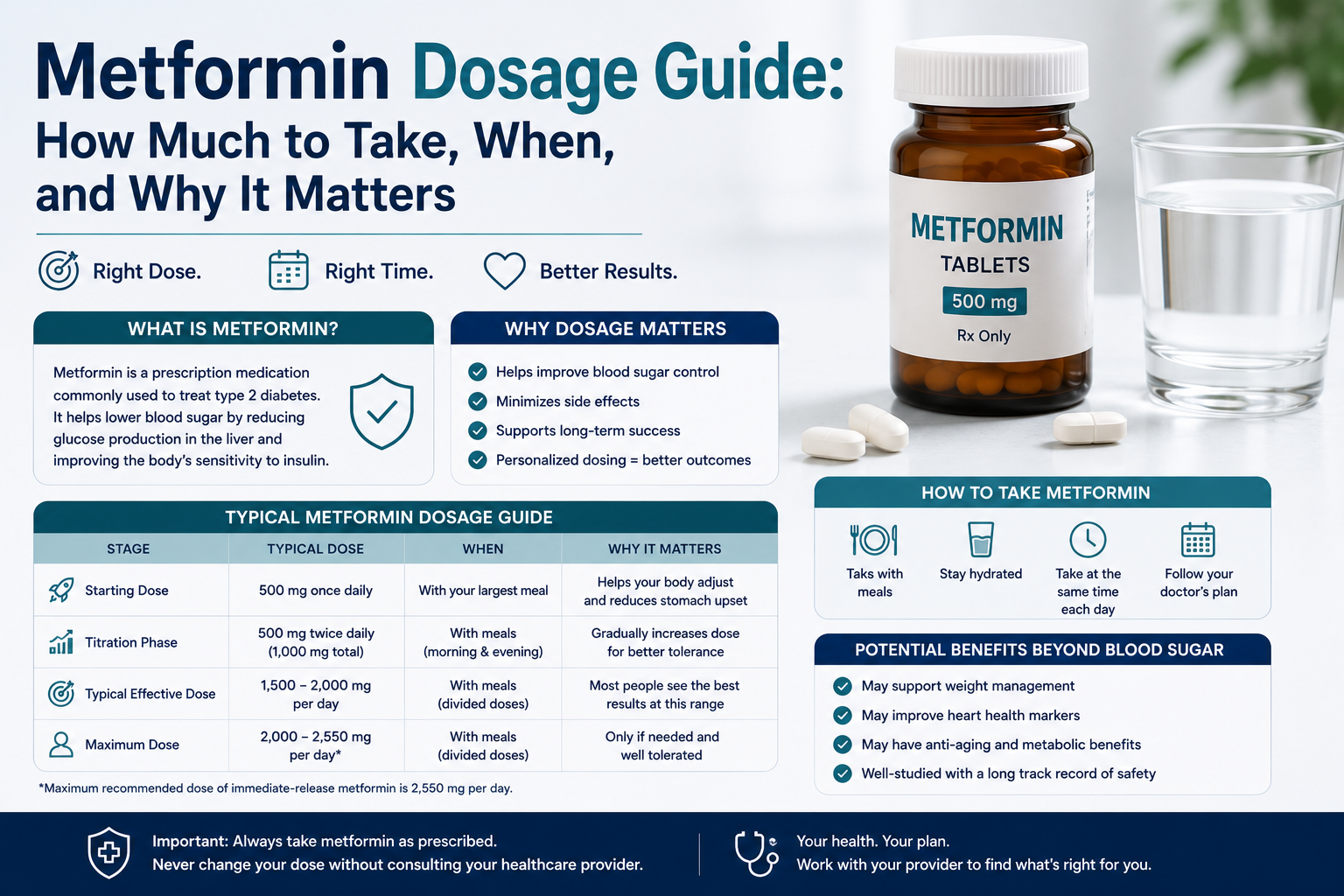
Metformin is one of the most commonly prescribed medications for type 2 diabetes and is often recommended as a first-line treatment to help lower blood sugar levels. It works by reducing glucose production in the liver and improving the body's sensitivity to insulin, making it an effective and affordable option for long-term diabetes management.
Side Effects
- Confusion, fast heartbeat, increased hunger, shakiness
- Trouble breathing, slow heartbeat, lightheadedness, dizziness
- Stomach pain, nausea, vomiting, muscle pain or cramping
Warnings
- Keep all medicine out of the reach of children. Never share your medicine with anyone.
- Tell your doctor if you are pregnant or breastfeeding, or if you have kidney disease, liver disease, heart or blood vessel disease, heart failure, blood circulation problems, anemia, metabolic acidosis, an adrenal gland or pituitary gland disorder, vitamin B12 deficiency, or had a heart attack. Tell your doctor if you drink alcohol.
- Too much of this medicine can cause a rare, but serious condition called lactic acidosis.
- Part of the extended-release tablet may pass in your stool. This is normal.
- Make sure any doctor or dentist who treats you knows that you are using this medicine. You may need to stop using this medicine before you have surgery, an x-ray, CT scan, or other medical test.
Prescription savings · · · ·
What is Metformin ?
Metformin is one of the most commonly prescribed medications for type 2 diabetes and is often recommended as a first-line treatment to help lower blood sugar levels. It works by reducing glucose production in the liver and improving the body's sensitivity to insulin, making it an effective and affordable option for long-term diabetes management.
- Confusion, fast heartbeat, increased hunger, shakiness
- Trouble breathing, slow heartbeat, lightheadedness, dizziness
- Stomach pain, nausea, vomiting, muscle pain or cramping
- Allergic reaction: Itching or hives, swelling in your face or hands, swelling or tingling in your mouth or throat, chest tightness, trouble breathing
- Fever or chills
- Unusual tiredness or weakness
- Keep all medicine out of the reach of children. Never share your medicine with anyone.
- Tell your doctor if you are pregnant or breastfeeding, or if you have kidney disease, liver disease, heart or blood vessel disease, heart failure, blood circulation problems, anemia, metabolic acidosis, an adrenal gland or pituitary gland disorder, vitamin B12 deficiency, or had a heart attack. Tell your doctor if you drink alcohol.
- Too much of this medicine can cause a rare, but serious condition called lactic acidosis.
- Part of the extended-release tablet may pass in your stool. This is normal.
- Make sure any doctor or dentist who treats you knows that you are using this medicine. You may need to stop using this medicine before you have surgery, an x-ray, CT scan, or other medical test.
- This medicine may cause some premenopausal women who do not have regular monthly periods to ovulate. This can increase the chance of pregnancy. If you are a woman of childbearing potential, discuss birth control options with your doctor.
- Your doctor will do lab tests at regular visits to check on the effects of this medicine. Keep all appointments.
Metformin Coupons & Prices
Metformin 500MG

Weight-loss medication, prescribed online
Licensed U.S. providers · No insurance needed · Shipped to your door
Metformin prices by dosage
Lowest cash price with a free Rx.com coupon vs. the average retail price.
| Dosage | Quantity | Retail price | Rx.com price |
|---|---|---|---|
| 500mg · Tablet | 60 | $13.09 | $8.32 |
| 625mg · Tablet | 60 | $2,678.37 | $678.39 |
| 750mg · Tablet | 60 | $2,240.00 | $817.70 |
| 850mg · Tablet | 60 | $24.99 | $8.13 |
| 1000mg · Tablet | 60 | $32.83 | $7.11 |
Cash prices near ZIP 77433; updated regularly. Actual pharmacy price may vary.
Looking for a metformin coupon? Metformin is the low-cost generic form of Glucophage and the most widely prescribed first-line medicine for type 2 diabetes. Because it is already generic, cash prices are usually inexpensive, but the exact price can vary a lot from one pharmacy to the next. Rx.com compares metformin prices across more than 60,000 pharmacies so you can find today's best price near you. Enter your ZIP above to see the current price and pull up a free coupon you can show at the counter.
What is metformin and how does it work?
Metformin (metformin hydrochloride) is a biguanide antidiabetic medicine. It is FDA-approved, along with diet and exercise, to improve blood sugar control in adults and in children 10 years and older with type 2 diabetes; the extended-release forms are approved for adults. It is considered the first-line treatment for type 2 diabetes. Metformin works mainly by lowering the amount of sugar your liver makes and by helping your body respond better to its own insulin. On its own, it carries a low risk of causing low blood sugar (hypoglycemia).
Metformin was originally sold under brand names such as Glucophage, Glucophage XR, Fortamet, Glumetza, Riomet, and Riomet ER. Most of those brand versions are now discontinued in the US, but generic metformin is widely available in both immediate-release and extended-release forms.
How much does metformin cost without insurance?
Metformin is a generic, so it is usually one of the more affordable prescriptions, even if you are paying cash without insurance. That said, the price is not the same everywhere. The cash price for the exact same tablets can differ widely between two pharmacies in the same town, which is why comparing before you fill matters. A metformin coupon from Rx.com can bring the cash price down below the standard retail price at many pharmacies.
Rx.com checks metformin prices across more than 60,000 pharmacies to surface the lowest price near you. Enter your ZIP above to see today's price and generate a free coupon. Prices update live on this page, so what you see is current for your area.
Metformin alternatives and related diabetes medications
Metformin is often the starting point for type 2 diabetes, and many people take it alone or alongside other medicines. If you are comparing options, the brand equivalent is Glucophage, and the extended-release generic is metformin ER. Other diabetes medicines your provider may consider include the sulfonylureas glipizide and glimepiride, the DPP-4 inhibitor Januvia (and its ingredient sitagliptin), the SGLT2 inhibitor Jardiance, and the GLP-1 medicine Ozempic.
These medicines work in different ways and are not interchangeable. Only your prescriber can decide which is right for you. You can look up any of them on Rx.com to compare pharmacy prices and pull a coupon.
Metformin safety and side effects
The most common side effects of metformin are digestive: diarrhea, nausea, vomiting, and stomach discomfort, reported in up to about 30% of patients. These often ease over time or with the extended-release form and by taking it with food. With long-term use, metformin can lower vitamin B12 levels, so providers may check B12 periodically.
Metformin carries a boxed warning for a rare but serious condition called lactic acidosis, a buildup of lactic acid in the blood. Warning signs can be subtle, such as feeling generally unwell, muscle aches, trouble breathing, unusual sleepiness, or stomach pain. Risk is higher with kidney or liver problems, age over 65, heavy alcohol use, and around imaging tests that use iodinated contrast or surgery. Metformin should not be used if you have severe kidney impairment (eGFR below 30), and it is often paused around contrast imaging. This is general information, not medical advice; talk with your doctor or pharmacist about your own health before starting, stopping, or changing metformin.
This Metformin information was written and reviewed against authoritative U.S. medical sources — MedlinePlus (U.S. National Library of Medicine), DailyMed, and FDA prescribing information — and checked for accuracy. It is provided for education and is not a substitute for professional medical advice.
Verify the official label: Metformin on DailyMed (FDA)
Reviewed against FDA labeling · Last reviewed July 2026
Metformin — Articles & Guides
33 articles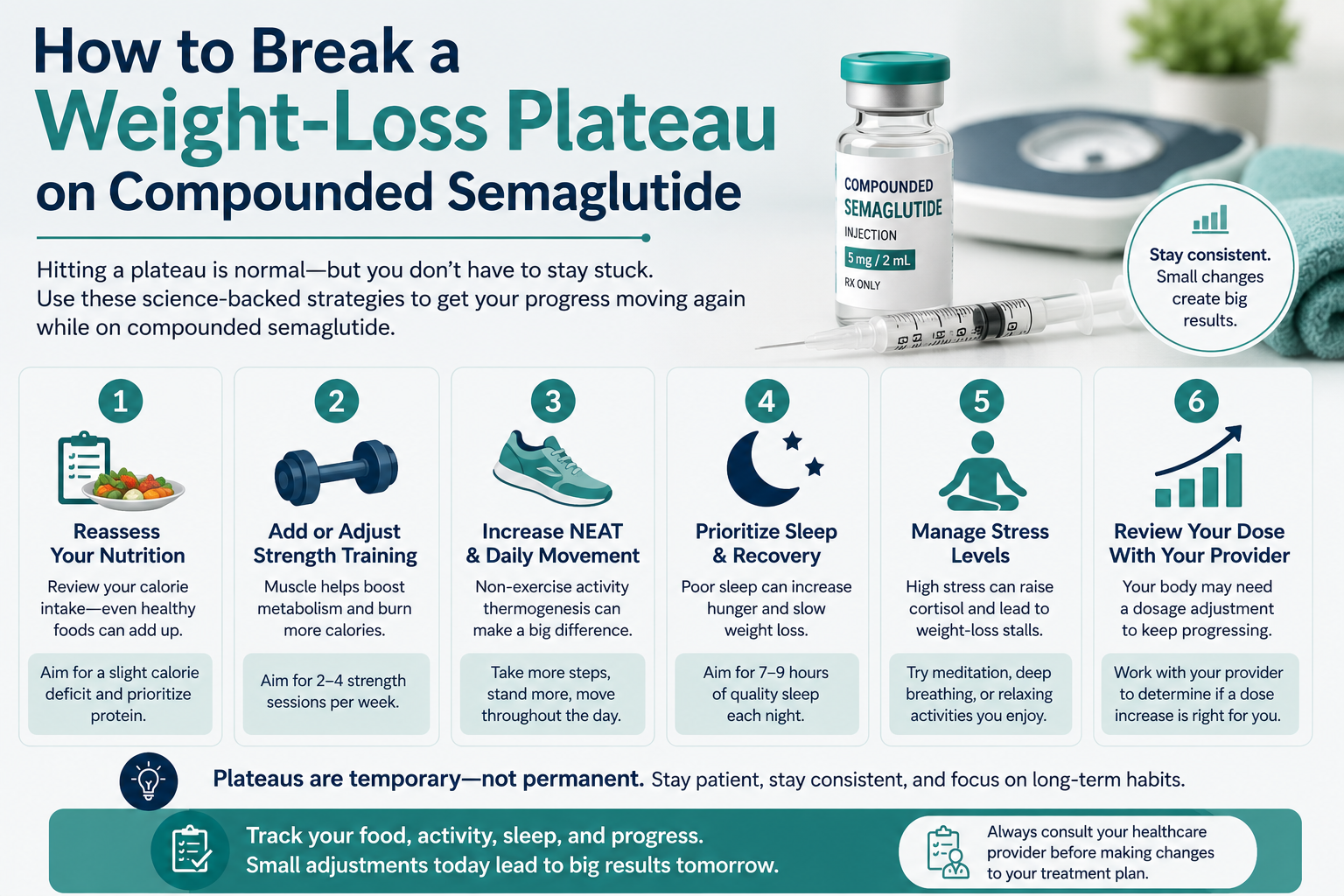




















Related Drugs
Browse more medications: starting with M · full A-Z directory · by condition · common drugs
Medical disclaimer: This information is provided for general educational purposes only and is not medical advice. It is not a substitute for professional diagnosis or treatment. Always consult a licensed physician, pharmacist, or other qualified healthcare provider before starting, stopping, or changing any medication or treatment. Never disregard professional medical advice or delay seeking it because of something you read here. If you think you may have a medical emergency, call your doctor or 911 immediately.


