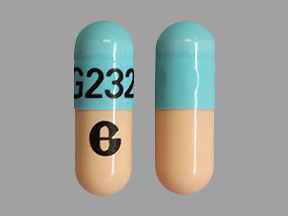
Omeprazole
Omeprazole 20MG
What is Omeprazole?
Omeprazole is a medication used to treat conditions like gastroesophageal reflux disease (GERD), where stomach acid flows back into the esophagus, causing heartburn. It helps heal the esophagus and reduces stomach acid production.Side Effects
- Blistering, peeling, red skin rash
- Allergic reaction: Itching or hives, swelling in your face or hands, swelling or tingling in your mouth or throat, chest tightness, trouble breathing
- Unusual bleeding, bruising, tiredness, or weakness
Warnings
- Tell your doctor if you are pregnant or breastfeeding, or if you have kidney disease, liver disease, lupus, or osteoporosis.
- This medicine may cause the following problems: Kidney problems, including acute tubulointerstitial nephritisIncreased risk of broken bones in the hip, wrist, or spine (more likely if used several times per day or longer than 1 year)Serious skin reactions, including Stevens-Johnson syndrome, toxic epidermal necrolysis, acute generalized exanthematous pustulosis, and drug reaction with eosinophilia and systemic symptoms (DRESS)LupusFundic gland polyps (abnormal growth in the upper part of your stomach)
- This medicine can cause diarrhea. Call your doctor if the diarrhea becomes severe, does not stop, or is bloody. Do not take any medicine to stop diarrhea until you have talked to your doctor. Diarrhea can occur 2 months or more after you stop taking this medicine.
- Tell any doctor or dentist who treats you that you are using this medicine. This medicine may affect certain medical test results.
- Your doctor will do lab tests at regular visits to check on the effects of this medicine. Keep all appointments.
Prescription savings · · · ·
What is Omeprazole ?
Omeprazole is a medication used to treat conditions like gastroesophageal reflux disease (GERD), where stomach acid flows back into the esophagus, causing heartburn. It helps heal the esophagus and reduces stomach acid production.- Blistering, peeling, red skin rash
- Allergic reaction: Itching or hives, swelling in your face or hands, swelling or tingling in your mouth or throat, chest tightness, trouble breathing
- Unusual bleeding, bruising, tiredness, or weakness
- Severe diarrhea that does not go away, stomach cramps or pain, nausea, vomiting, loss of appetite, weight loss
- Fever, swelling in the body, unusual weight gain, change in how much or how often you urinate, blood in the urine
- Dry mouth, increased thirst, confusion, numbness and tingling around the mouth, fingertips, or feet
- Seizures, dizziness, fast or uneven heartbeat, muscle cramps or twitching
- Joint pain, rash on your cheeks or arms that gets worse in the sun
- Tell your doctor if you are pregnant or breastfeeding, or if you have kidney disease, liver disease, lupus, or osteoporosis.
- This medicine may cause the following problems: Kidney problems, including acute tubulointerstitial nephritisIncreased risk of broken bones in the hip, wrist, or spine (more likely if used several times per day or longer than 1 year)Serious skin reactions, including Stevens-Johnson syndrome, toxic epidermal necrolysis, acute generalized exanthematous pustulosis, and drug reaction with eosinophilia and systemic symptoms (DRESS)LupusFundic gland polyps (abnormal growth in the upper part of your stomach)
- This medicine can cause diarrhea. Call your doctor if the diarrhea becomes severe, does not stop, or is bloody. Do not take any medicine to stop diarrhea until you have talked to your doctor. Diarrhea can occur 2 months or more after you stop taking this medicine.
- Tell any doctor or dentist who treats you that you are using this medicine. This medicine may affect certain medical test results.
- Your doctor will do lab tests at regular visits to check on the effects of this medicine. Keep all appointments.
- Keep all medicine out of the reach of children. Never share your medicine with anyone.
Omeprazole Coupons & Prices
Omeprazole 20MG
Weight-loss medication, prescribed online
Licensed U.S. providers · No insurance needed · Shipped to your door
Omeprazole prices by dosage
Lowest cash price with a free Rx.com coupon vs. the average retail price.
| Dosage | Quantity | Retail price | Rx.com price |
|---|---|---|---|
| 10mg · Capsule Delayed Release | 30 | $26.29 | $11.63 |
| 20mg · Capsule Delayed Release | 30 | $65.21 | $10.91 |
| 40mg · Capsule Delayed Release | 30 | $338.72 | $7.99 |
Cash prices near ZIP 77433; updated regularly. Actual pharmacy price may vary.
Looking for an omeprazole coupon? Omeprazole is the low-cost generic version of Prilosec, a proton pump inhibitor (PPI) used to treat acid-related conditions like GERD and ulcers. Because it is generic, it is already one of the more affordable prescriptions, but the cash price still varies widely from one pharmacy to the next, so comparing before you fill can make a real difference. Rx.com checks prices across more than 60,000 pharmacies nationwide and shows you a free coupon you can use at the register. Enter your ZIP above to see today's price near you.
What is omeprazole and how does it work?
Omeprazole is a proton pump inhibitor, or PPI. It works by lowering the amount of acid your stomach makes. It is FDA-approved to treat gastroesophageal reflux disease (GERD) and to keep erosive esophagitis healed, to treat duodenal and gastric ulcers, to help eradicate H. pylori infection when combined with antibiotics such as clarithromycin and amoxicillin, and to manage rare conditions that cause the stomach to make too much acid, such as Zollinger-Ellison syndrome.
Omeprazole is the generic form of the brand-name drug Prilosec, and it is also sold over the counter as Prilosec OTC (20 mg) for frequent heartburn that happens two or more days a week. It is available by prescription in generic form. Your prescriber and pharmacist can help you choose the right strength and confirm it fits your situation.
Omeprazole cost and coupons without insurance
Omeprazole is a generic, so it is generally inexpensive compared with brand-name acid reducers. Even so, the cash price you pay is not the same everywhere. Two pharmacies in the same town can charge noticeably different amounts for the exact same prescription, which is why it pays to compare before you fill.
You do not need insurance to use an Rx.com coupon, and in many cases the coupon price is lower than a standard insurance copay. The coupon is free to use. Enter your ZIP above to see today's price at pharmacies near you and print, save, or text yourself the coupon to show at the pharmacy counter.
Omeprazole vs. other PPIs and acid reducers
Omeprazole is one of several proton pump inhibitors, and all of them lower stomach acid in a similar way. Related options your prescriber might mention include esomeprazole (the generic for Nexium), pantoprazole, and lansoprazole. Omeprazole itself is the generic for Prilosec.
A different type of medicine, famotidine, is an H2 blocker rather than a PPI; it also reduces acid but works differently and is sometimes used for milder or occasional symptoms. Which medicine is best depends on your diagnosis and history, so this is a conversation to have with your provider. If a specific PPI is prescribed, you can compare prices for it here the same way.
Safety, side effects, and interactions
Omeprazole has no boxed warning, and most people tolerate it well. The most common side effects are headache, diarrhea, abdominal pain, nausea, and dizziness. Long-term or high-dose use has been linked to a higher risk of bone fractures (hip, wrist, and spine), low magnesium levels, vitamin B12 deficiency, Clostridioides difficile-associated diarrhea, fundic gland polyps, and a kidney condition called acute interstitial nephritis. Cases of cutaneous and systemic lupus erythematosus have been reported. Because it reduces acid, omeprazole can also mask symptoms of stomach cancer.
Tell your provider and pharmacist about all your medicines. Omeprazole should generally not be taken with clopidogrel (Plavix), because it can substantially reduce clopidogrel's blood-thinning effect. It can also lower the absorption of drugs that need stomach acid (such as certain antifungals and atazanavir) and can raise levels of methotrexate. This information is educational and is not medical advice; talk with your healthcare provider about whether omeprazole is right for you and how long to take it.
This Omeprazole information was written and reviewed against authoritative U.S. medical sources — MedlinePlus (U.S. National Library of Medicine), DailyMed, and FDA prescribing information — and checked for accuracy. It is provided for education and is not a substitute for professional medical advice.
Verify the official label: Omeprazole on DailyMed (FDA)
Reviewed against FDA labeling · Last reviewed July 2026
Omeprazole — Articles & Guides
8 articles





Related Drugs
Browse more medications: starting with O · full A-Z directory · by condition · common drugs
Medical disclaimer: This information is provided for general educational purposes only and is not medical advice. It is not a substitute for professional diagnosis or treatment. Always consult a licensed physician, pharmacist, or other qualified healthcare provider before starting, stopping, or changing any medication or treatment. Never disregard professional medical advice or delay seeking it because of something you read here. If you think you may have a medical emergency, call your doctor or 911 immediately.


