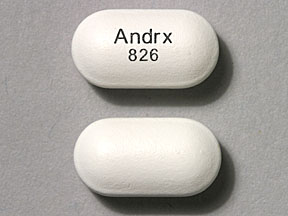
Naproxen Sodium Er
Naproxen Sodium ER 500MG
¿Qué es Naproxen Sodium Er?
El Naproxeno Sódico de Liberación Prolongada es un medicamento antiinflamatorio no esteroideo (AINE) que ayuda a reducir el dolor, la inflamación y la fiebre. Es comúnmente utilizado para manejar síntomas de condiciones como osteoartritis, artritis reumatoide, espondilitis anquilosante y otros trastornos de dolor crónico. La formulación de liberación prolongada permite una liberación sostenida del medicamento a lo largo del tiempo, proporcionando alivio más duradero con menos dosis en comparación con las formas de liberación inmediata.Side Effects
- Blistering, peeling, red skin rash
- Allergic reaction: Itching or hives, swelling in your face or hands, swelling or tingling in your mouth or throat, chest tightness, trouble breathing
- Numbness or weakness on one side of your body, sudden or severe headache, problems with vision, speech, or walking
Warnings
- Tell any doctor or dentist who treats you that you are using this medicine. This medicine may affect certain medical test results.
- Your doctor will do lab tests at regular visits to check on the effects of this medicine. Keep all appointments.
- Keep all medicine out of the reach of children. Never share your medicine with anyone.
- This medicine may cause a delay in ovulation for women and may affect their ability to have children. If you plan to have children, talk with your doctor before using this medicine.
- This medicine may make you dizzy or drowsy. Do not drive or do anything else that could be dangerous until you know how this medicine affects you.
Prescription savings · ·
¿Qué es Naproxen Sodium Er ?
El Naproxeno Sódico de Liberación Prolongada es un medicamento antiinflamatorio no esteroideo (AINE) que ayuda a reducir el dolor, la inflamación y la fiebre. Es comúnmente utilizado para manejar síntomas de condiciones como osteoartritis, artritis reumatoide, espondilitis anquilosante y otros trastornos de dolor crónico. La formulación de liberación prolongada permite una liberación sostenida del medicamento a lo largo del tiempo, proporcionando alivio más duradero con menos dosis en comparación con las formas de liberación inmediata.Naproxen Sodium Er Cupones y Precios - Rx.com
Naproxen Sodium ER 500MG
Weight-loss medication, prescribed online
Licensed U.S. providers · No insurance needed · Shipped to your door
¿Busca un cupón para naproxeno sódico ER? El naproxeno sódico de liberación prolongada es la forma de liberación controlada y de una vez al día del conocido AINE naproxeno, que se vende bajo la marca Naprelan. Está disponible como genérico de bajo costo, pero el precio en efectivo puede variar mucho de una farmacia a otra, así que conviene comparar antes de surtir su receta. Ingrese su código postal arriba para ver el precio de hoy e imprimir un cupón de descuento gratuito de Rx.com aceptado en más de 60,000 farmacias en todo el país.
¿Qué es el naproxeno sódico ER y cómo funciona?
El naproxeno sódico ER es una forma de liberación prolongada/controlada del naproxeno, un medicamento antiinflamatorio no esteroideo (AINE). Al igual que otros AINE, actúa bloqueando la COX-1 y la COX-2, las enzimas que su cuerpo usa para producir prostaglandinas, los mensajeros químicos que provocan dolor, hinchazón e inflamación. El diseño de liberación de una vez al día (comercializado como Naprelan) distribuye la dosis a lo largo del día, por lo que se usa principalmente para la artritis inflamatoria continua en lugar de un dolor puntual y rápido.
Está aprobado por la FDA para aliviar los signos y síntomas de la osteoartritis, la artritis reumatoide y la espondilitis anquilosante, y para tratar el dolor y la dismenorrea primaria (cólicos menstruales). Su proveedor buscará la dosis efectiva más baja durante el menor tiempo necesario para controlar sus síntomas.
Costo del naproxeno sódico ER y cómo ahorrar sin seguro
La buena noticia para los pacientes que pagan en efectivo es que el naproxeno sódico ER está disponible como genérico aprobado por la FDA, por lo que generalmente es uno de los AINE recetados más asequibles. Lo que sorprende a muchas personas es cuánto varía aún el precio en efectivo de una farmacia a otra, incluso dentro de la misma ciudad, porque cada farmacia fija su propio precio. Por eso precisamente es importante comparar.
Rx.com compara los precios reales en efectivo en más de 60,000 farmacias de EE. UU. para que pueda ver cuál es la más económica cerca de usted e imprimir un cupón gratuito en segundos, sin necesidad de seguro. La marca Naprelan también tiene un programa de ahorro para pacientes del fabricante que figura en su sitio oficial, Naprelanus.com; la elegibilidad y los términos varían y normalmente aplica a la marca en lugar del genérico, así que lea los detalles antes de depender de él. Para revisar sus opciones, ingrese su código postal arriba para ver el precio de hoy.
Cómo se compara el naproxeno sódico ER con otros AINE
El naproxeno sódico ER es uno de varios AINE que se usan para la artritis y el dolor musculoesquelético. La elección correcta depende de su afección, de la frecuencia con la que necesita tomar la dosis y de sus factores de riesgo personales, por lo que esta es una conversación entre usted y su proveedor.
- Naproxen — la forma estándar de liberación inmediata del mismo medicamento, que a menudo se toma dos veces al día.
- Naprelan — la marca de este mismo naproxeno sódico de liberación controlada de una vez al día.
- Meloxicam — un AINE de una vez al día que se usa comúnmente para la osteoartritis y la artritis reumatoide.
- Diclofenac — otro AINE recetado disponible en formas orales y tópicas.
- Celecoxib — un AINE selectivo de la COX-2 que puede elegirse cuando el riesgo gastrointestinal es una preocupación.
- Ibuprofen — un AINE de acción más corta ampliamente utilizado.
Información de seguridad que debe conocer
El naproxeno sódico ER tiene dos advertencias en recuadro de la FDA, las más contundentes de la agencia. Primero, los AINE pueden aumentar el riesgo de eventos cardiovasculares graves y potencialmente mortales, como ataque cardíaco y accidente cerebrovascular; este riesgo puede aparecer temprano y aumenta con un uso más prolongado, y el medicamento no debe usarse para el dolor justo antes o después de una cirugía de derivación cardíaca (CABG). Segundo, los AINE pueden causar sangrado gastrointestinal, úlceras y perforación graves y, a veces, mortales, que pueden ocurrir sin signos de advertencia y son más probables en adultos mayores.
Otros riesgos importantes incluyen problemas renales, retención de líquidos e hinchazón, presión arterial alta, daño hepático, reacciones alérgicas y reacciones cutáneas graves. Debe evitarse a partir de las 20 semanas de embarazo porque puede dañar los riñones del bebé en desarrollo. Use la dosis efectiva más baja durante el menor tiempo posible. Esta es información general, no consejo médico, así que hable con su médico o farmacéutico sobre si el naproxeno sódico ER es adecuado para usted.
La información sobre Naproxen Sodium Er fue redactada y revisada con base en fuentes médicas autorizadas de EE. UU. (MedlinePlus, de la Biblioteca Nacional de Medicina de EE. UU.; DailyMed; y la información de prescripción de la FDA) y verificada para asegurar su precisión. Se ofrece con fines educativos y no sustituye el consejo médico profesional.
Consulte la etiqueta oficial: Naproxen Sodium Er en DailyMed (FDA)
Revisado con base en el etiquetado de la FDA · Última revisión: julio de 2026
Medicamentos Relacionados
Browse more medications: starting with N · full A-Z directory · by condition · common drugs
Medical disclaimer: This information is provided for general educational purposes only and is not medical advice. It is not a substitute for professional diagnosis or treatment. Always consult a licensed physician, pharmacist, or other qualified healthcare provider before starting, stopping, or changing any medication or treatment. Never disregard professional medical advice or delay seeking it because of something you read here. If you think you may have a medical emergency, call your doctor or 911 immediately.


