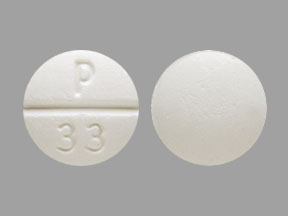
Propylthiouracil
Propylthiouracil 50MG
What is Propylthiouracil?
Propylthiouracil is a generic drug used to treat patients suffering from hyperthyroidism and Graves' disease. The average Propylthiouracil price is about $74 for a supply of 90, 50 mg tablets. However, you can use our free Rx.com coupon card to save significantly on Propylthiouracil prices at a participating pharmacy near you.Side Effects
- Dry, puffy skin.
- Unexplained bleeding or bruising.
- Severe fever or chills, or fever that lasts longer than 2 days.
Warnings
- Your doctor will check your progress and the effects of this medicine at regular visits. Keep all appointments. Blood tests may be needed to check for unwanted effects.
- Severe fever or chills, or fever that lasts longer than 2 days.
- Skin rash or itching.
- Swelling in your neck (thyroid).
- Unexplained bleeding or bruising.
Prescription savings · · · ·
What is Propylthiouracil ?
Propylthiouracil is a generic drug used to treat patients suffering from hyperthyroidism and Graves' disease. The average Propylthiouracil price is about $74 for a supply of 90, 50 mg tablets. However, you can use our free Rx.com coupon card to save significantly on Propylthiouracil prices at a participating pharmacy near you.- Dry, puffy skin.
- Unexplained bleeding or bruising.
- Severe fever or chills, or fever that lasts longer than 2 days.
- Allergic reaction: Itching or hives, swelling in your face or hands, swelling or tingling in your mouth or throat, chest tightness, trouble breathing
- Swelling in your neck (thyroid).
- Dark-colored urine or pale stools.
- Nausea, vomiting, loss of appetite, or pain in your upper stomach.
- Yellowing of your skin or the whites of your eyes.
- Cough or sore throat.
- Mouth sores.
- Unusual weakness.
- Changes in menstrual periods.
- Skin rash or itching.
- Your doctor will check your progress and the effects of this medicine at regular visits. Keep all appointments. Blood tests may be needed to check for unwanted effects.
- Severe fever or chills, or fever that lasts longer than 2 days.
- Skin rash or itching.
- Swelling in your neck (thyroid).
- Unexplained bleeding or bruising.
- Unusual weakness.
- Yellowing of your skin or the whites of your eyes.
- It is not safe to take this medicine during pregnancy. It could harm an unborn baby. Tell your doctor right away if you become pregnant.
- Make sure your doctor knows if you have liver disease.
- It may take several days or weeks for propylthiouracil to start working. Do not stop using the medicine without talking to your doctor.
- This medicine may make you bleed, bruise, or get infections more easily. Take precautions to prevent illness and injury. Wash your hands often.
- Liver problems may occur with this medicine. Stop using this medicine and check with your doctor right away if you are having more than one of these symptoms: right upper abdominal or stomach pain or tenderness; clay-colored stools; dark urine; decreased appetite; fever; headache; itching; loss of appetite; nausea and vomiting; skin rash; swelling of the feet or lower legs; unusual tiredness or weakness; or yellow eyes or skin.
- Tell any doctor or dentist who treats you that you are using this medicine. You may need to stop using this medicine several days before you have surgery or medical tests.
Propylthiouracil Coupons & Prices
Propylthiouracil 50MG

4 ED medications in one dose
Apomorphine, sildenafil, tadalafil & vardenafil · One sublingual dose · Free express shipping
Looking for a propylthiouracil coupon? Propylthiouracil (PTU) is available only as a generic in the U.S. today, but that doesn't mean every pharmacy charges the same amount — cash prices for this antithyroid medication can vary widely from one pharmacy to the next, so it pays to compare before you fill. Rx.com checks pricing across more than 60,000 U.S. pharmacies so you can enter your ZIP code above and see today's price near you.
What Is Propylthiouracil and How Does It Work?
Propylthiouracil is an antithyroid medication (a thioamide) that works by blocking the thyroid gland's production of thyroid hormone. It's FDA-approved for adults with Graves' disease or toxic multinodular goiter who are intolerant of methimazole and for whom surgery or radioactive iodine therapy isn't an appropriate treatment option. It's also used short-term, in methimazole-intolerant patients, to help bring thyroid hormone levels and symptoms under control before thyroidectomy or radioactive iodine therapy.
Propylthiouracil is generally not used in children. Because pediatric patients face a higher risk than adults of the severe, sometimes fatal liver injury described in the FDA's boxed warning, the label states that PTU is not recommended for use in children except in rare instances where methimazole isn't well-tolerated and surgery or radioactive iodine therapy aren't appropriate — methimazole is the FDA-preferred antithyroid drug for children.
PTU is only a generic today — there is no currently marketed U.S. brand version. Older brand names like Propacil are no longer marketed in the United States, so if you see them referenced, know that propylthiouracil itself is what pharmacies actually stock and fill.
Propylthiouracil Cost: Why Comparing Pharmacies Matters
Because propylthiouracil is generic-only, you might assume the price is the same everywhere — but cash prices for generic medications can differ significantly by pharmacy, even within the same city. Insurance copays, pharmacy markups, and local competition all play a role, so comparing before you fill is one of the few things you fully control here.
Enter your ZIP code above to see today's propylthiouracil price at pharmacies near you, side by side, so you can choose where to fill without guessing.
Propylthiouracil vs. Other Hyperthyroidism Treatments
The other main antithyroid drug is methimazole, which is generally preferred as first-line therapy for hyperthyroidism — including in children — because of its more favorable safety profile. Propylthiouracil is typically reserved for patients who can't tolerate methimazole, aren't good candidates for radioactive iodine or surgery, or are in their first trimester of pregnancy, when PTU is preferred over methimazole due to methimazole's teratogenicity risk early in pregnancy.
Doctors sometimes also prescribe a beta blocker such as atenolol or propranolol alongside an antithyroid drug to help control symptoms like a fast heartbeat while thyroid hormone levels come down. If hyperthyroidism treatment (including radioactive iodine or surgery) leads to an underactive thyroid, levothyroxine is the standard replacement hormone used afterward. None of these are substitutes for propylthiouracil itself — they treat a different problem or serve a different role in care, so any change to your regimen should go through your prescriber.
Propylthiouracil Safety Information
Propylthiouracil carries an FDA Boxed Warning for severe liver injury and acute liver failure, which has occurred in both adult and pediatric patients and in some cases has been fatal or required a liver transplant. This is estimated to affect roughly 1 in 10,000 adult users, and it can begin suddenly and progress quickly at any point during treatment. Pediatric patients face a higher risk of this liver injury than adults — no comparable cases of liver failure have been reported with methimazole in children — which is why PTU is generally not used in children and, for patients of any age, is reserved for those who can't take methimazole, aren't candidates for radioactive iodine or surgery, or are in their first trimester of pregnancy.
Call your doctor right away if you notice fever, loss of appetite, nausea, vomiting, fatigue, itching, dark urine, pale stools, or yellowing of your skin or eyes — these can be signs of liver injury. Propylthiouracil can also cause agranulocytosis (a severe drop in white blood cells) — report any sore throat, fever, or mouth sores to your doctor immediately, since this requires an urgent blood count and usually stopping the drug — as well as ANCA-associated vasculitis. This is general information, not medical advice; talk with your doctor or pharmacist about your specific situation before starting or stopping any medication.
This Propylthiouracil information was written and reviewed against authoritative U.S. medical sources — MedlinePlus (U.S. National Library of Medicine), DailyMed, and FDA prescribing information — and checked for accuracy. It is provided for education and is not a substitute for professional medical advice.
Verify the official label: Propylthiouracil on DailyMed (FDA)
Reviewed against FDA labeling · Last reviewed July 2026
Related Drugs
Browse more medications: starting with P · full A-Z directory · by condition · common drugs
Medical disclaimer: This information is provided for general educational purposes only and is not medical advice. It is not a substitute for professional diagnosis or treatment. Always consult a licensed physician, pharmacist, or other qualified healthcare provider before starting, stopping, or changing any medication or treatment. Never disregard professional medical advice or delay seeking it because of something you read here. If you think you may have a medical emergency, call your doctor or 911 immediately.


