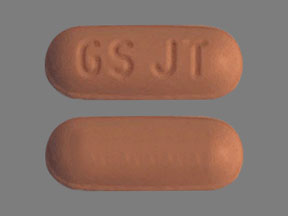
Votrient
Votrient 200MG
What is Votrient?
Votrient (pazopanib) is an oral medication classified as a tyrosine kinase inhibitor, primarily used for treating advanced renal cell carcinoma and soft tissue sarcoma. It functions by inhibiting angiogenesis and tumor cell growth by targeting multiple pathways related to tumor growth and blood vessel formation. Votrient is usually administered under the guidance of a healthcare professional specialized in cancer treatment.Side Effects
- Swelling in your hands, ankles, or feet, trouble breathing, tiredness
- Fast, pounding, or uneven heartbeat, dizziness or lightheadedness
- Dark urine or pale stools, nausea, vomiting, loss of appetite, stomach pain, yellow skin or eyes
Warnings
- Keep all medicine out of the reach of children. Never share your medicine with anyone.
- Injection routeThis medicine may cause birth defects if either partner is using it during conception or pregnancy. Tell your doctor right away if you or your partner becomes pregnant. Men and women should use an effective form of birth control to keep from getting pregnant during treatment with this medicine and for at least 2 weeks after your last dose.
- Do not breastfeed while you are using this medicine and for 2 weeks after the last dose.
- Tell your doctor if you have kidney disease, liver disease (including Gilbert syndrome), heart disease, high blood pressure, lung disease, stomach or bowel problems, thyroid problems, or a history of heart rhythm problems (including QT prolongation), heart attack, or stroke. Tell your doctor if you had any bleeding problems in the last 6 months, including stomach or bowel bleeding.
- This medicine may cause the following problems:Severe liver problemsChanges in heart rhythm, including QT prolongation, Torsades de pointesHeart failure, high blood pressure, heart attack, or strokeBleeding problemsIncreased risk of blood clotsInterstitial lung disease or pneumonitis, which may be life-threateningStomach or bowel problems (including perforation, fistula)Reversible posterior leukoencephalopathy syndrome (RPLS)High blood pressureHypothyroidism (underactive thyroid)Kidney problemsTumor lysis syndromeSerious infections
Prescription savings · · · ·
What is Votrient ?
Votrient (pazopanib) is an oral medication classified as a tyrosine kinase inhibitor, primarily used for treating advanced renal cell carcinoma and soft tissue sarcoma. It functions by inhibiting angiogenesis and tumor cell growth by targeting multiple pathways related to tumor growth and blood vessel formation. Votrient is usually administered under the guidance of a healthcare professional specialized in cancer treatment.- Swelling in your hands, ankles, or feet, trouble breathing, tiredness
- Fast, pounding, or uneven heartbeat, dizziness or lightheadedness
- Dark urine or pale stools, nausea, vomiting, loss of appetite, stomach pain, yellow skin or eyes
- Chest pain that may spread to your arms, jaw, back, or neck, unusual sweating, faintness
- Bloody or black, tarry stools, vomiting of blood or material that looks like coffee grounds
- Allergic reaction: Itching or hives, swelling in your face or hands, swelling or tingling in your mouth or throat, chest tightness, trouble breathing
- Fever, chills, cough, sore throat, and body aches
- Numbness or weakness on one side of your body, pain in your lower leg, sudden or severe headache, problems with vision, speech, or walking, confusion, seizures
- Keep all medicine out of the reach of children. Never share your medicine with anyone.
- Injection routeThis medicine may cause birth defects if either partner is using it during conception or pregnancy. Tell your doctor right away if you or your partner becomes pregnant. Men and women should use an effective form of birth control to keep from getting pregnant during treatment with this medicine and for at least 2 weeks after your last dose.
- Do not breastfeed while you are using this medicine and for 2 weeks after the last dose.
- Tell your doctor if you have kidney disease, liver disease (including Gilbert syndrome), heart disease, high blood pressure, lung disease, stomach or bowel problems, thyroid problems, or a history of heart rhythm problems (including QT prolongation), heart attack, or stroke. Tell your doctor if you had any bleeding problems in the last 6 months, including stomach or bowel bleeding.
- This medicine may cause the following problems:Severe liver problemsChanges in heart rhythm, including QT prolongation, Torsades de pointesHeart failure, high blood pressure, heart attack, or strokeBleeding problemsIncreased risk of blood clotsInterstitial lung disease or pneumonitis, which may be life-threateningStomach or bowel problems (including perforation, fistula)Reversible posterior leukoencephalopathy syndrome (RPLS)High blood pressureHypothyroidism (underactive thyroid)Kidney problemsTumor lysis syndromeSerious infections
- This medicine could cause infertility. Talk with your doctor before using this medicine if you plan to have children.
- Oral routeMedicines used to treat cancer are very strong and can have many side effects. Before receiving this medicine, make sure you understand all the risks and benefits. It is important for you to work closely with your doctor during your treatment.
- Tell any doctor who treats you that you are using this medicine. This medicine may affect the way your body heals from cuts and wounds. You may need to stop using it at least 7 days before you have surgery.
- Cancer medicines can cause diarrhea, nausea, or vomiting in most people, sometimes even after they receive medicine to prevent it.
- Your doctor will do lab tests at regular visits to check on the effects of this medicine. Keep all appointments.
Votrient Coupons & Prices
Votrient 200MG
Weight-loss medication, prescribed online
Licensed U.S. providers · No insurance needed · Shipped to your door
Votrient prices by dosage
Lowest cash price with a free Rx.com coupon vs. the average retail price.
| Dosage | Quantity | Retail price | Rx.com price |
|---|---|---|---|
| 200mg · Tablet | 120 | $22,023.85 | $17,954.44 |
Cash prices near ZIP 77433; updated regularly. Actual pharmacy price may vary.
Browse more medications: starting with V · full A-Z directory · by condition · common drugs
Medical disclaimer: This information is provided for general educational purposes only and is not medical advice. It is not a substitute for professional diagnosis or treatment. Always consult a licensed physician, pharmacist, or other qualified healthcare provider before starting, stopping, or changing any medication or treatment. Never disregard professional medical advice or delay seeking it because of something you read here. If you think you may have a medical emergency, call your doctor or 911 immediately.


