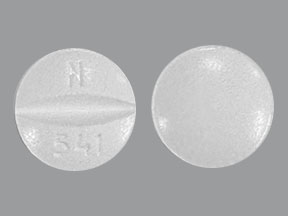
Trimethoprim
Trimethoprim 100MG
¿Qué es Trimethoprim?
El trimetoprim es un antibiótico que se utiliza principalmente en el tratamiento de infecciones del tracto urinario (ITU) y como profilaxis contra ciertos tipos de neumonía. Funciona inhibiendo la dihidrofolato reductasa bacteriana, bloqueando así la producción de ácido tetrahidrofólico, que es esencial para la síntesis de ADN bacteriano. Esta acción hace que el trimetoprim sea efectivo contra una variedad de bacterias susceptibles.Side Effects
- Allergic reaction: Itching or hives, swelling in your face or hands, swelling or tingling in your mouth or throat, chest tightness, trouble breathing
- Severe rash, hives, or itching.
- Unexplained fever or sore throat.
Warnings
- Make sure your doctor knows if you are pregnant or breast feeding, or if you have liver or kidney disease.
- Tell any doctor or dentist who treats you that you are using this medicine. This medicine may affect certain medical test results.
- Swollen or sore tongue.
- Unexplained fever or sore throat.
- Unusual bleeding or bruising.
Prescription savings · ·
¿Qué es Trimethoprim ?
El trimetoprim es un antibiótico que se utiliza principalmente en el tratamiento de infecciones del tracto urinario (ITU) y como profilaxis contra ciertos tipos de neumonía. Funciona inhibiendo la dihidrofolato reductasa bacteriana, bloqueando así la producción de ácido tetrahidrofólico, que es esencial para la síntesis de ADN bacteriano. Esta acción hace que el trimetoprim sea efectivo contra una variedad de bacterias susceptibles.Trimethoprim Cupones y Precios - Rx.com
Trimethoprim 100MG

Weight-loss medication, prescribed online
Licensed U.S. providers · No insurance needed · Shipped to your door
Trimethoprim prices by dosage
Lowest cash price with a free Rx.com coupon vs. the average retail price.
| Dosis | Cantidad | Retail price | Rx.com price |
|---|---|---|---|
| 100mg · Tablet | 30 | $65.97 | $7.90 |
Cash prices near ZIP 77433; updated regularly. Actual pharmacy price may vary.
Trimethoprim — Articles & Guides
2 articles

Medicamentos Relacionados
Browse more medications: starting with T · full A-Z directory · by condition · common drugs
Medical disclaimer: This information is provided for general educational purposes only and is not medical advice. It is not a substitute for professional diagnosis or treatment. Always consult a licensed physician, pharmacist, or other qualified healthcare provider before starting, stopping, or changing any medication or treatment. Never disregard professional medical advice or delay seeking it because of something you read here. If you think you may have a medical emergency, call your doctor or 911 immediately.


