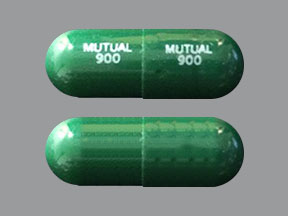
Carvedilol Phosphate Er
Carvedilol Phosphate ER 40MG
What is Carvedilol Phosphate Er?
Coreg CR is a beta-blocker medication that is used to treat patients who have had or are at risk for heart attack, high blood pressure, heart failure. Coreg CR works by relaxing the blood vessels to improve blood flow and lower stress on the heart. There is a generic version of Coreg CR available, it is called carvedilol. A 60 tablet supply of Coreg CR costs about $352 at 20 mg strength without insurance. Pay a lower Coreg CR price by using our Coreg CR coupon, Rx.com discounts can earn you prescription savings of up to 80%.Side Effects
- Shaking, trembling, sweating, hunger, confusion
- Leg pain when you walk, legs and feet that feel cold or numb
- Wheezing or trouble breathing
Warnings
- Tell your doctor if you are pregnant or breastfeeding, or if you have kidney disease, liver disease, heart or blood vessel disease, heart rhythm problems, diabetes, edema (fluid retention or swelling), low blood pressure, lung problems, an overactive thyroid, pheochromocytoma, or a history of allergies. Tell your doctor if you are fasting (including surgery, not eating regularly, vomiting).
- This medicine may cause the following problems: Changes to your blood sugar levelFewer tears than usual in contact lens wearersAn eye problem called Intraoperative Floppy Iris Syndrome during cataract surgery
- This medicine may make you dizzy or drowsy. Do not drive, use machines, or do anything else that could be dangerous if you are not alert.
- Do not stop using this medicine suddenly. Your doctor will need to slowly decrease your dose before you stop it completely.
- Tell any doctor or dentist who treats you that you are using this medicine. You may need to stop using this medicine several days before you have surgery or medical tests.
Prescription savings · · · ·
What is Carvedilol Phosphate Er ?
Coreg CR is a beta-blocker medication that is used to treat patients who have had or are at risk for heart attack, high blood pressure, heart failure. Coreg CR works by relaxing the blood vessels to improve blood flow and lower stress on the heart. There is a generic version of Coreg CR available, it is called carvedilol. A 60 tablet supply of Coreg CR costs about $352 at 20 mg strength without insurance. Pay a lower Coreg CR price by using our Coreg CR coupon, Rx.com discounts can earn you prescription savings of up to 80%.- Shaking, trembling, sweating, hunger, confusion
- Leg pain when you walk, legs and feet that feel cold or numb
- Wheezing or trouble breathing
- Slow, fast, or uneven heartbeat
- Lightheadedness, dizziness, or fainting
- Unusual bleeding or bruising
- Rapid weight gain, swelling in your hands, ankles, or feet
- Allergic reaction: Itching or hives, swelling in your face or hands, swelling or tingling in your mouth or throat, chest tightness, trouble breathing
- Change in how much or how often you urinate
- Chest pain that may spread to your arms, jaw, back, or neck, trouble breathing, nausea, unusual sweating, faintness
- Tell your doctor if you are pregnant or breastfeeding, or if you have kidney disease, liver disease, heart or blood vessel disease, heart rhythm problems, diabetes, edema (fluid retention or swelling), low blood pressure, lung problems, an overactive thyroid, pheochromocytoma, or a history of allergies. Tell your doctor if you are fasting (including surgery, not eating regularly, vomiting).
- This medicine may cause the following problems: Changes to your blood sugar levelFewer tears than usual in contact lens wearersAn eye problem called Intraoperative Floppy Iris Syndrome during cataract surgery
- This medicine may make you dizzy or drowsy. Do not drive, use machines, or do anything else that could be dangerous if you are not alert.
- Do not stop using this medicine suddenly. Your doctor will need to slowly decrease your dose before you stop it completely.
- Tell any doctor or dentist who treats you that you are using this medicine. You may need to stop using this medicine several days before you have surgery or medical tests.
- Your doctor will do lab tests at regular visits to check on the effects of this medicine. Keep all appointments.
- Keep all medicine out of the reach of children. Never share your medicine with anyone.
- Slow, fast, or uneven heartbeat
- Unusual bleeding or bruising
- Wheezing or trouble breathing
Carvedilol Phosphate Er Coupons & Prices
Carvedilol Phosphate ER 40MG
4 ED medications in one dose
Apomorphine, sildenafil, tadalafil & vardenafil · One sublingual dose · Free express shipping
Carvedilol Phosphate Er prices by dosage
Lowest cash price with a free Rx.com coupon vs. the average retail price.
| Dosage | Quantity | Retail price | Rx.com price |
|---|---|---|---|
| 10mg · Capsule | 30 | $265.99 | $70.89 |
| 20mg · Capsule | 30 | $224.96 | $88.89 |
| 40mg · Capsule | 30 | $265.99 | $107.12 |
| 80mg · Capsule | 30 | $290.95 | $101.60 |
Cash prices near ZIP 77433; updated regularly. Actual pharmacy price may vary.
A carvedilol phosphate ER coupon from Rx.com can lower what you pay at the pharmacy counter for extended-release carvedilol capsules, the generic version of Coreg CR. The brand Coreg CR is no longer marketed in the United States (FDA has stated it was not withdrawn for safety or effectiveness reasons), but FDA-approved generic carvedilol phosphate extended-release capsules are available. Cash prices for the same prescription can vary widely from one pharmacy to the next, even across town, so it pays to compare. Enter your ZIP code above to see today's price at pharmacies near you and print, text, or show the free coupon at the counter.
What is carvedilol phosphate ER and how does it work?
Carvedilol phosphate extended-release is a non-selective beta-blocker that also blocks alpha-1 receptors. Blocking beta receptors slows the heart rate and eases the heart's workload, while the alpha-1 blocking helps relax blood vessels. The extended-release capsule releases the medicine gradually so it can be taken just once a day in the morning with food.
It is FDA-approved for three uses: mild-to-severe chronic heart failure of ischemic or cardiomyopathic origin, usually added to diuretics, ACE inhibitors, and digitalis, to increase survival and reduce the risk of hospitalization; left ventricular dysfunction after a heart attack, to reduce cardiovascular death in clinically stable people who survived the acute phase and have an ejection fraction of 40% or less; and the management of essential high blood pressure, alone or with other blood pressure medicines, especially thiazide-type diuretics.
The capsules come in 10 mg, 20 mg, 40 mg, and 80 mg strengths, and the label sets a different starting dose and a different pace of dose increases for each indication. For heart failure, it is started at 10 mg once daily and stepped up over intervals of at least 2 weeks. For left ventricular dysfunction after a heart attack, it is started at 20 mg once daily and increased after intervals of 3 to 10 days. For high blood pressure, it is started at 20 mg once daily and increased over intervals of 1 to 2 weeks if needed for blood pressure control. In every case your dose is individualized and monitored as it is raised, so follow the schedule your prescriber gives you rather than a general rule.
What carvedilol phosphate ER costs without insurance, and how to pay less
Because the brand Coreg CR is no longer marketed in the U.S., the extended-release capsules you fill today are generic carvedilol phosphate. Manufacturer savings cards are generally offered for brand-name products rather than generics, so it is unlikely you will find one for this medicine, but it is worth asking your pharmacist what is currently available. What you actually pay in cash is set by each individual pharmacy, and those cash prices are not standardized. Two pharmacies a few miles apart can charge very different amounts for the identical capsule, strength, and day supply, which is exactly why comparing before you fill matters.
Rx.com compares prices across more than 60,000 participating pharmacies nationwide so you can see who is cheapest near you today. The coupon is free, requires no insurance, and can be used whether or not you have coverage, though if you do have insurance it is worth checking your copay too and using whichever is lower. Prices also change, so it is worth re-checking at each refill. Enter your ZIP above to see today's price.
Carvedilol phosphate ER vs. other beta-blockers
The closest relative is plain carvedilol (the immediate-release tablet, originally branded Coreg), which is normally taken twice a day with food. The two products contain the same active molecule in different chemical forms: the ER capsule uses the phosphate salt of carvedilol, while the IR tablet is carvedilol free base. They are not bioequivalent milligram for milligram either, since the ER capsule has approximately 85% of the bioavailability of the immediate-release tablets, and the label includes a conversion table for switching. It is a separate product and is not automatically interchangeable with the once-daily ER capsule, so the switch should be made by your prescriber. Some people find the once-daily ER capsule easier to remember; others do fine on the tablet, and pharmacy prices for the two can differ quite a bit, so it is worth comparing both if your doctor says either is appropriate for you.
Other beta-blockers your prescriber might consider include metoprolol succinate (extended-release, brand Toprol-XL), metoprolol tartrate (immediate-release, brand Lopressor), bisoprolol, atenolol, and labetalol, which like carvedilol blocks both alpha and beta receptors. These are not equivalent to one another, and the right choice depends on your condition, other medicines, and history. This is a conversation for you and your provider, not a swap to make on your own.
Safety information you should know
Carvedilol phosphate ER has no boxed warning. It should not be used if you have bronchial asthma or other bronchospastic conditions, second- or third-degree AV block, sick sinus syndrome, severe slow heart rate (unless you have a permanent pacemaker), cardiogenic shock or decompensated heart failure needing IV inotropes, severe liver impairment, or a serious allergy to carvedilol. Do not stop this medicine suddenly: abrupt discontinuation can cause a serious flare of coronary artery disease, including chest pain, heart attack, and dangerous heart rhythms. If it needs to be stopped, your doctor will usually taper it over one to two weeks.
Other things the label flags: slow heart rate, low blood pressure, and dizziness or fainting, especially with the first dose or a dose increase (taking the capsule with food slows absorption and helps); worsening heart failure or fluid retention while the dose is being raised; masking of low-blood-sugar warning signs and worse blood sugar control in diabetes; masking of overactive-thyroid symptoms, with a risk of thyroid storm if stopped abruptly; worsening of peripheral vascular disease or Raynaud's; declining kidney function in heart failure patients with low blood pressure; blunted heart rate response and circulatory collapse during anesthesia; floppy iris syndrome during cataract surgery; and higher carvedilol levels in people taking CYP2D6 inhibitors or who are poor metabolizers. Tell your surgeon, eye surgeon, and anesthesiologist you take it. Swallow the capsules whole with food in the morning; never crush, chew, or split them. This page is information, not medical advice. Talk with your doctor or pharmacist about your own situation.
This Carvedilol Phosphate Er information was written and reviewed against authoritative U.S. medical sources — MedlinePlus (U.S. National Library of Medicine), DailyMed, and FDA prescribing information — and checked for accuracy. It is provided for education and is not a substitute for professional medical advice.
Verify the official label: Carvedilol Phosphate Er on DailyMed (FDA)
Reviewed against FDA labeling · Last reviewed July 2026
Related Drugs
Browse more medications: starting with C · full A-Z directory · by condition · common drugs
Medical disclaimer: This information is provided for general educational purposes only and is not medical advice. It is not a substitute for professional diagnosis or treatment. Always consult a licensed physician, pharmacist, or other qualified healthcare provider before starting, stopping, or changing any medication or treatment. Never disregard professional medical advice or delay seeking it because of something you read here. If you think you may have a medical emergency, call your doctor or 911 immediately.


