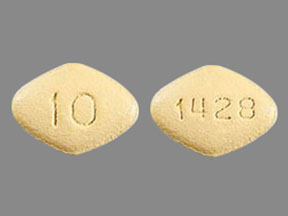
Dapagliflozin
Dapagliflozin 10MG
¿Qué es Dapagliflozin?
Dapagliflozina es un inhibidor del cotransportador de sodio-glucosa tipo 2 (SGLT2) utilizado en el manejo de la diabetes mellitus tipo 2. Actúa al prevenir la reabsorción de glucosa en los riñones, promoviendo su excreción a través de la orina, lo que ayuda a reducir los niveles de azúcar en la sangre. Además, la dapagliflozina ha demostrado beneficios en la reducción de riesgos cardiovasculares y en el manejo de la insuficiencia cardíaca en pacientes con o sin diabetes tipo 2.Side Effects
- Urinary tract infections
- Increased urination
- Nasal congestion
Warnings
- Risk of developing ketoacidosis
- Serious urinary tract infections
- Hypotension due to volume depletion
- Acute kidney injury
- Risk of serious genital infections
Prescription savings · ·
¿Qué es Dapagliflozin ?
Dapagliflozina es un inhibidor del cotransportador de sodio-glucosa tipo 2 (SGLT2) utilizado en el manejo de la diabetes mellitus tipo 2. Actúa al prevenir la reabsorción de glucosa en los riñones, promoviendo su excreción a través de la orina, lo que ayuda a reducir los niveles de azúcar en la sangre. Además, la dapagliflozina ha demostrado beneficios en la reducción de riesgos cardiovasculares y en el manejo de la insuficiencia cardíaca en pacientes con o sin diabetes tipo 2.Dapagliflozin Cupones y Precios - Rx.com
Dapagliflozin 10MG

Weight-loss medication, prescribed online
Licensed U.S. providers · No insurance needed · Shipped to your door
Dapagliflozin prices by dosage
Lowest cash price with a free Rx.com coupon vs. the average retail price.
| Dosis | Cantidad | Retail price | Rx.com price |
|---|---|---|---|
| 5mg · Tablet | 30 | $351.50 | $18.74 |
| 10mg · Tablet | 30 | $318.99 | $19.36 |
Cash prices near ZIP 77433; updated regularly. Actual pharmacy price may vary.
Medicamentos Relacionados
Browse more medications: starting with D · full A-Z directory · by condition · common drugs
Medical disclaimer: This information is provided for general educational purposes only and is not medical advice. It is not a substitute for professional diagnosis or treatment. Always consult a licensed physician, pharmacist, or other qualified healthcare provider before starting, stopping, or changing any medication or treatment. Never disregard professional medical advice or delay seeking it because of something you read here. If you think you may have a medical emergency, call your doctor or 911 immediately.


