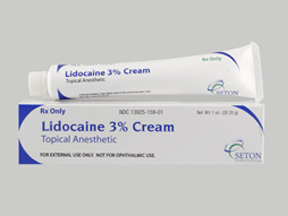
Lidocaine Hcl
Lidocaine HCl 20ML of 1%
What is Lidocaine Hcl?
Lidocaine HCl, a local anesthetic and antiarrhythmic drug, is commonly used to numb tissue in a specific area and to treat ventricular tachycardia. It works by blocking nerve signals in your body, thereby reducing pain or correcting heart rhythm disturbances when administered either topically or via injection.Side Effects
- Ringing in the ears, seizures
- Unusual bleeding, bruising, or weakness
- Allergic reaction: Itching or hives, swelling in your face or hands, swelling or tingling in your mouth or throat, chest tightness, trouble breathing
Warnings
- Your doctor will do lab tests at regular visits to check on the effects of this medicine. Keep all appointments.
- Tell any doctor or dentist who treats you that you are using this medicine. This medicine may affect certain medical test results.
- If you are not receiving this medicine for childbirth, make sure your doctor knows if you are pregnant or breastfeeding. Tell your doctor if you have liver disease, kidney disease, brain or nerve disease, blood vessel disease, spine problems, seizures (epilepsy), asthma, diabetes, high blood pressure, low blood pressure, a blood disorder, G6PD, or lung or breathing problems. Tell your doctor if you have any heart problems such as congestive heart failure or heart rhythm disorders (especially Wolff-Parkinson-White syndrome).
- This medicine may cause methemoglobinemia (blood disorder).
- This medicine may make you dizzy or drowsy. Do not drive or do anything else that could be dangerous until you know how this medicine affects you.
Prescription savings · · · ·
What is Lidocaine Hcl ?
Lidocaine HCl, a local anesthetic and antiarrhythmic drug, is commonly used to numb tissue in a specific area and to treat ventricular tachycardia. It works by blocking nerve signals in your body, thereby reducing pain or correcting heart rhythm disturbances when administered either topically or via injection.- Ringing in the ears, seizures
- Unusual bleeding, bruising, or weakness
- Allergic reaction: Itching or hives, swelling in your face or hands, swelling or tingling in your mouth or throat, chest tightness, trouble breathing
- Anxiety, confusion, depression, dizziness, drowsiness
- Chest pain, fast or uneven heartbeat
- Lightheadedness or fainting, nervousness, restlessness, blurred or double vision, twitching
- Numbness in another part of your body that is not being treated
- Pale, gray, or blue lips, nails, or skin, dark urine, headache, unusual tiredness or weakness
- Your doctor will do lab tests at regular visits to check on the effects of this medicine. Keep all appointments.
- Tell any doctor or dentist who treats you that you are using this medicine. This medicine may affect certain medical test results.
- If you are not receiving this medicine for childbirth, make sure your doctor knows if you are pregnant or breastfeeding. Tell your doctor if you have liver disease, kidney disease, brain or nerve disease, blood vessel disease, spine problems, seizures (epilepsy), asthma, diabetes, high blood pressure, low blood pressure, a blood disorder, G6PD, or lung or breathing problems. Tell your doctor if you have any heart problems such as congestive heart failure or heart rhythm disorders (especially Wolff-Parkinson-White syndrome).
- This medicine may cause methemoglobinemia (blood disorder).
- This medicine may make you dizzy or drowsy. Do not drive or do anything else that could be dangerous until you know how this medicine affects you.
- You may experience temporary loss of sensation and movement, usually in the lower half of your body, if you receive this medicine into your lower back (epidural).
- It may also be easier to hurt yourself while your treated body area is still numb. Be careful to avoid injury until you have regained all the feeling and are no longer numb.
- If you are receiving this medicine as an epidural to ease labor pains, it may take longer than normal for you to push your baby out. It is also possible that the baby may have unwanted effects after birth (including sleepiness, slow responses). Talk to your doctor if you have questions about how this medicine might affect your baby.
Lidocaine Hcl Coupons & Prices
Lidocaine HCl 20ML of 1%

Weight-loss medication, prescribed online
Licensed U.S. providers · No insurance needed · Shipped to your door
Lidocaine Hcl prices by dosage
Lowest cash price with a free Rx.com coupon vs. the average retail price.
| Dosage | Quantity | Retail price | Rx.com price |
|---|---|---|---|
| 4ml of 4% · Vial | 120 | $1,098.31 | $738.50 |
Cash prices near ZIP 77433; updated regularly. Actual pharmacy price may vary.
Looking for a lidocaine HCl coupon? Lidocaine hydrochloride is an amide-type local anesthetic used to numb tissue for surgical, dental, and oral surgery procedures, and it comes in several forms including injectable solutions, a 2% oral topical (viscous) solution, and a 2% jelly used for procedures involving the urethra. It is available as a generic, but the cash price for the same formulation can differ a lot from one pharmacy to the next, so it is worth comparing before you fill. Enter your ZIP above to see today's price at pharmacies near you. Rx.com compares prices across more than 60,000 pharmacies, and our free coupon can be used whether or not you have insurance.
What is lidocaine HCl and how does it work?
Lidocaine hydrochloride is an amide-type local anesthetic. It works by temporarily blocking nerve signals in the area where it is applied or injected, so the tissue goes numb and you do not feel pain during a procedure. Given intravenously in a hospital, lidocaine HCl acts as a Class IB antiarrhythmic instead, and that use is separate from the numbing products a pharmacy coupon usually buys.
What lidocaine HCl is approved for depends on the form. Injectable lidocaine HCl is FDA-approved to produce local or regional anesthesia and analgesia in adults and children for surgical, dental, and oral surgery procedures, by routes such as infiltration and nerve block, and, depending on the specific product, epidural, spinal, or retrobulbar administration. The 2% oral topical (viscous) solution is approved for the production of topical anesthesia of irritated or inflamed mucous membranes of the mouth and pharynx, and to reduce gagging during dental impressions or X-rays. The 2% jelly is indicated for prevention and control of pain in procedures involving the male and female urethra, for topical treatment of painful urethritis, and as an anesthetic lubricant for endotracheal intubation; the label's dosage section covers urethral anesthesia for procedures such as catheterization. Intravenous lidocaine HCl is approved for acute ventricular arrhythmias, such as those occurring in relation to cardiac manipulation or acute myocardial infarction, and is given short-term in a monitored setting. Brand names you may see include Xylocaine, Xylocaine Jelly, and Xylocaine with Epinephrine.
What lidocaine HCl costs without insurance, and how a coupon helps
Lidocaine HCl is available as a generic, which usually means more than one manufacturer is making it. That does not mean every pharmacy charges the same. Cash prices for the identical strength and quantity often vary widely from pharmacy to pharmacy, sometimes even between two stores in the same town, because each pharmacy sets its own cash price. That is exactly why comparing is worth the two minutes it takes.
There is no manufacturer savings card for generic lidocaine HCl. If you are paying cash, or if your plan's copay is higher than the cash price, an Rx.com coupon is free to use and works at more than 60,000 pharmacies. Enter your ZIP above to see today's price near you, then show the coupon at the counter. Prices change, so it is worth checking each time you refill. Note that the price you see depends on the form your prescription is written for: viscous solution, jelly, and injectable vials are priced separately. Supply of individual lidocaine HCl products can also change, and some formulations have appeared on national shortage lists, so availability varies; check with your pharmacy.
Lidocaine HCl compared with related numbing medicines
Lidocaine comes in more than one chemical form, and the difference matters for both your prescription and your price. Lidocaine HCl is the salt form used in injections, the viscous oral solution, and the jelly. Lidocaine patches use lidocaine base rather than the hydrochloride salt, and the Lidoderm brand refers to the patch. Because these are different products with different labels, a coupon for one form will not price the other. Make sure the form on your coupon matches the form your prescriber wrote.
Other related options your provider may choose, depending on the procedure, include:
- Xylocaine, the brand name for lidocaine HCl.
- Lidocaine and epinephrine, which adds epinephrine to slow absorption and prolong the numbing effect.
- Lidocaine and prilocaine, a topical cream combining two local anesthetics.
- Bupivacaine, another amide-type local anesthetic.
- Benzocaine, an ester-type local anesthetic used topically.
Which one is right is a decision for your prescriber, not a price comparison. This is general information and not medical advice.
Safety information you should know
Lidocaine HCl 2% oral topical solution (viscous) carries a boxed warning. There have been postmarketing reports of seizures, cardiopulmonary arrest, and death in children under 3 years old when the medicine was not dosed exactly as directed. It must not be used for teething pain, doses must be measured precisely with the device provided, and it should not be given more often than every 3 hours. The label also caps the total: for adults, no more than eight doses in a 24-hour period; for children under 3 years, no more than 1.2 mL per dose and no more than four doses in a 12-hour period. Because swallowing viscous lidocaine can numb the throat and make swallowing difficult, avoid food for 60 minutes after using it to lower the risk of choking or aspiration.
The main risk with all lidocaine HCl forms is local anesthetic systemic toxicity, which can happen from too large a dose, unusually rapid absorption, or accidental injection into a blood vessel. Early signs can include lightheadedness, ringing in the ears, numbness around the mouth, confusion, or tremor, and it can progress to seizures and breathing problems, along with slow heartbeat, low blood pressure, or heart rhythm problems. Lidocaine HCl should not be used by anyone with a known allergy to amide-type local anesthetics. Intravenous antiarrhythmic use is contraindicated in Stokes-Adams syndrome, Wolff-Parkinson-White syndrome, and severe SA, AV, or intraventricular block without a pacemaker. People with severe liver problems, heart failure, or shock clear lidocaine more slowly, and older or debilitated patients generally need lower doses. Methemoglobinemia has been reported, especially in infants, people with G6PD deficiency, and those taking other oxidizing medicines. Resuscitation equipment and oxygen must always be immediately available when a local anesthetic is injected. Tell your provider about all your medicines and health conditions, and follow the label and their directions exactly.
This Lidocaine Hcl information was written and reviewed against authoritative U.S. medical sources — MedlinePlus (U.S. National Library of Medicine), DailyMed, and FDA prescribing information — and checked for accuracy. It is provided for education and is not a substitute for professional medical advice.
Verify the official label: Lidocaine Hcl on DailyMed (FDA)
Reviewed against FDA labeling · Last reviewed July 2026
Related Drugs
Browse more medications: starting with L · full A-Z directory · by condition · common drugs
Medical disclaimer: This information is provided for general educational purposes only and is not medical advice. It is not a substitute for professional diagnosis or treatment. Always consult a licensed physician, pharmacist, or other qualified healthcare provider before starting, stopping, or changing any medication or treatment. Never disregard professional medical advice or delay seeking it because of something you read here. If you think you may have a medical emergency, call your doctor or 911 immediately.


