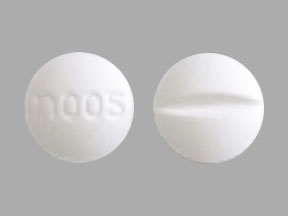
Oxybutynin Chloride
oxyBUTYnin Chloride 5MG
What is Oxybutynin Chloride?
Oxybutynin chloride is a prescription medication primarily used to treat overactive bladder symptoms, such as urgency and frequency. It works by relaxing the bladder muscles. While using oxybutynin, be aware of potential side effects like dry mouth and dizziness. For cost-effective options, including coupons and mail-order prescriptions, visit Rx.com to connect with a licensed provider.Side Effects
- Change in how much or how often you urinate, difficult or painful urination
- Hot, dry skin, lack of sweating, weakness
- Allergic reaction: Itching or hives, swelling in your face or hands, swelling or tingling in your mouth or throat, chest tightness, trouble breathing
Warnings
- Keep all medicine out of the reach of children. Never share your medicine with anyone.
- Tell your doctor if you are pregnant or breastfeeding, or if you have kidney disease, dementia, glaucoma, heart disease, heart rhythm problems, high blood pressure, myasthenia gravis, Parkinson disease, an enlarged prostate or trouble urinating, or stomach or bowel problems (including colitis, chronic constipation, a bowel blockage, GERD).
- This medicine may make you dizzy or drowsy, or cause vision problems. Do not drive or do anything else that could be dangerous until you know how this medicine affects you.
- This medicine may make you sweat less. This can cause your body to become too hot. Take precautions if you exercise strenuously or are outside in hot weather. Drink plenty of fluids to stay hydrated.
- Your doctor will check your progress and the effects of this medicine at regular visits. Keep all appointments.
Prescription savings · · · ·
What is Oxybutynin Chloride ?
Oxybutynin chloride is a prescription medication primarily used to treat overactive bladder symptoms, such as urgency and frequency. It works by relaxing the bladder muscles. While using oxybutynin, be aware of potential side effects like dry mouth and dizziness. For cost-effective options, including coupons and mail-order prescriptions, visit Rx.com to connect with a licensed provider.- Change in how much or how often you urinate, difficult or painful urination
- Hot, dry skin, lack of sweating, weakness
- Allergic reaction: Itching or hives, swelling in your face or hands, swelling or tingling in your mouth or throat, chest tightness, trouble breathing
- Agitation, confusion, unusual behavior or drowsiness, seeing, hearing, or feeling things that are not there
- Keep all medicine out of the reach of children. Never share your medicine with anyone.
- Tell your doctor if you are pregnant or breastfeeding, or if you have kidney disease, dementia, glaucoma, heart disease, heart rhythm problems, high blood pressure, myasthenia gravis, Parkinson disease, an enlarged prostate or trouble urinating, or stomach or bowel problems (including colitis, chronic constipation, a bowel blockage, GERD).
- This medicine may make you dizzy or drowsy, or cause vision problems. Do not drive or do anything else that could be dangerous until you know how this medicine affects you.
- This medicine may make you sweat less. This can cause your body to become too hot. Take precautions if you exercise strenuously or are outside in hot weather. Drink plenty of fluids to stay hydrated.
- Your doctor will check your progress and the effects of this medicine at regular visits. Keep all appointments.
Oxybutynin Chloride Coupons & Prices
oxyBUTYnin Chloride 5MG
4 ED medications in one dose
Apomorphine, sildenafil, tadalafil & vardenafil · One sublingual dose · Free express shipping
Oxybutynin Chloride prices by dosage
Lowest cash price with a free Rx.com coupon vs. the average retail price.
| Dosage | Quantity | Retail price | Rx.com price |
|---|---|---|---|
| 2.5mg · Tablet | 60 | $170.39 | $61.67 |
| 5mg · Tablet | 60 | $43.99 | $11.72 |
Cash prices near ZIP 77433; updated regularly. Actual pharmacy price may vary.
Looking for an oxybutynin chloride coupon? Oxybutynin is a widely used generic anticholinergic medication for overactive bladder, and because it's sold as a generic by many manufacturers, the price you're quoted can vary a surprising amount from one pharmacy to the next; Rx.com compares pricing across more than 60,000 U.S. pharmacies so you can see where it costs less before you fill your prescription, rather than assuming your regular pharmacy has the best price.
What is oxybutynin chloride and how does it work?
Oxybutynin chloride is an anticholinergic (antimuscarinic) medication used to treat symptoms of overactive bladder, including urinary urgency, frequency, and urge incontinence. It works by relaxing the bladder muscle, which reduces involuntary bladder contractions and gives you more control over when you urinate. Depending on the formulation, oxybutynin is also FDA-approved to treat neurogenic detrusor overactivity (bladder overactivity related to certain neurological or spinal cord conditions) in pediatric and adult patients.
Oxybutynin is available in several forms, including immediate-release tablets and syrup, extended-release tablets, a transdermal patch, and a topical gel, and it has been sold under various brand names over the years. The original oral brand, Ditropan, is largely discontinued as a branded product today, with the generic tablet and syrup dominating the market.
Oxybutynin chloride cost without insurance
Because oxybutynin chloride is a generic medication available from multiple manufacturers, it's typically an affordable option compared to many brand-name overactive bladder medications, but the price you'll actually pay can still differ significantly by pharmacy, dosage form, and quantity. Cash prices for the same prescription can vary widely even between two pharmacies in the same town, which is why it pays to compare before you fill.
Enter your ZIP above to see today's price at pharmacies near you. Rx.com checks pricing across a large network of pharmacies so you can find a lower cash price or a coupon rather than automatically paying whatever your regular pharmacy charges.
Oxybutynin chloride vs. other overactive bladder medications
Oxybutynin chloride is one of several anticholinergic and related medications used for overactive bladder. Other options your provider might consider include tolterodine, solifenacin, trospium, and darifenacin, which work through a similar antimuscarinic mechanism, as well as mirabegron, which uses a different mechanism (a beta-3 agonist) and may cause fewer anticholinergic side effects such as dry mouth for some patients.
Your doctor can help you decide which medication and formulation (tablet, extended-release, patch, or gel) fits your symptoms, other health conditions, and side effect tolerance best.
Oxybutynin chloride safety information
Common side effects of oxybutynin chloride include dry mouth, constipation, blurred vision, drowsiness, dizziness, and decreased sweating, which can raise the risk of overheating in hot weather. It should not be used by people with uncontrolled narrow-angle glaucoma, urinary retention, gastric retention, or other severe conditions that slow digestion.
Anticholinergic medications like oxybutynin are included on the Beers Criteria list of medications to use with caution in older adults, since long-term use has been linked to an increased risk of cognitive problems in this age group. This is general information, not medical advice; talk with your doctor or pharmacist about whether oxybutynin chloride is right for you, especially if you are an older adult or take other medications.
This Oxybutynin Chloride information was written and reviewed against authoritative U.S. medical sources — MedlinePlus (U.S. National Library of Medicine), DailyMed, and FDA prescribing information — and checked for accuracy. It is provided for education and is not a substitute for professional medical advice.
Verify the official label: Oxybutynin Chloride on DailyMed (FDA)
Reviewed against FDA labeling · Last reviewed July 2026
Related Drugs
Browse more medications: starting with O · full A-Z directory · by condition · common drugs
Medical disclaimer: This information is provided for general educational purposes only and is not medical advice. It is not a substitute for professional diagnosis or treatment. Always consult a licensed physician, pharmacist, or other qualified healthcare provider before starting, stopping, or changing any medication or treatment. Never disregard professional medical advice or delay seeking it because of something you read here. If you think you may have a medical emergency, call your doctor or 911 immediately.


