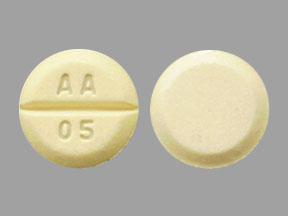
Phytonadione
Phytonadione 5MG
What is Phytonadione?
Phytonadione, also known as vitamin K1, is a fat-soluble vitamin essential for the synthesis of proteins required for blood coagulation and bone metabolism. It is used clinically to treat and prevent vitamin K deficiency and associated bleeding disorders, particularly in newborns and patients with impaired absorption. Administered orally or via injection, phytonadione is pivotal in managing anticoagulant-induced prothrombin deficiency.Side Effects
- Fast, weak pulse
- Lightheadedness, dizziness, fainting
- Allergic reaction: Itching or hives, swelling in your face or hands, swelling or tingling in your mouth or throat, chest tightness, trouble breathing
Warnings
- Tell your doctor if you are pregnant or breastfeeding, or if you have liver disease.
- Your doctor will do lab tests at regular visits to check on the effects of this medicine. Keep all appointments.
- Keep all medicine out of the reach of children. Never share your medicine with anyone.
Prescription savings · · · ·
What is Phytonadione ?
Phytonadione, also known as vitamin K1, is a fat-soluble vitamin essential for the synthesis of proteins required for blood coagulation and bone metabolism. It is used clinically to treat and prevent vitamin K deficiency and associated bleeding disorders, particularly in newborns and patients with impaired absorption. Administered orally or via injection, phytonadione is pivotal in managing anticoagulant-induced prothrombin deficiency.- Fast, weak pulse
- Lightheadedness, dizziness, fainting
- Allergic reaction: Itching or hives, swelling in your face or hands, swelling or tingling in your mouth or throat, chest tightness, trouble breathing
- Blue lips, skin, or fingernails
- Chest pain, sudden headache, trouble breathing, pain in your leg
- Tell your doctor if you are pregnant or breastfeeding, or if you have liver disease.
- Your doctor will do lab tests at regular visits to check on the effects of this medicine. Keep all appointments.
- Keep all medicine out of the reach of children. Never share your medicine with anyone.
Phytonadione Coupons & Prices
Phytonadione 5MG
Weight-loss medication, prescribed online
Licensed U.S. providers · No insurance needed · Shipped to your door
Related Drugs
Browse more medications: starting with P · full A-Z directory · by condition · common drugs
Medical disclaimer: This information is provided for general educational purposes only and is not medical advice. It is not a substitute for professional diagnosis or treatment. Always consult a licensed physician, pharmacist, or other qualified healthcare provider before starting, stopping, or changing any medication or treatment. Never disregard professional medical advice or delay seeking it because of something you read here. If you think you may have a medical emergency, call your doctor or 911 immediately.


