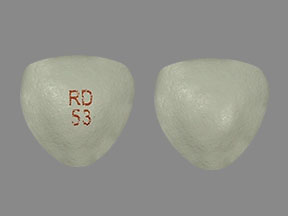
Sirolimus
Sirolimus 1MG
¿Qué es Sirolimus?
Sirolimus es un medicamento genérico utilizado para prevenir el rechazo de órganos después de un trasplante de órganos. Sirolimus tiene un costo de aproximadamente $225 por un suministro de 30 tabletas de 0.5 mg. Puedes utilizar nuestra tarjeta de ahorros Rx.com Sirolimus para ahorrar en el costo de tu receta cuando compres en cualquiera de las farmacias participantes a nivel local.Side Effects
- Chest pain, coughing up blood, trouble breathing
- Lightheadedness, dizziness, fainting
- Confusion, weakness, tremors, problems with thinking or walking
Warnings
- It is not safe to take this medicine during pregnancy. It could harm an unborn baby. Tell your doctor right away if you become pregnant. Use an effective form of birth control during treatment and for at least 12 weeks after you stop taking sirolimus.
- Tell your doctor if you are pregnant or breastfeeding, or if you have liver disease, lung disease, high cholesterol, or any type of infection.
- This medicine may cause the following problems:Increased risk of infectionIncreased risk of cancer, including skin cancer and lymphomaAngioedema (severe swelling, when used with an ACE inhibitor)Poor wound healingKidney problemsHigh cholesterol and fats in the bloodLung or breathing problems, including interstitial lung disease, non-infectious pneumonitisBlood clotting problems
- This medicine could cause infertility. Talk with your doctor before using this medicine if you plan to have children.
- This medicine may make your skin more sensitive to sunlight. Wear sunscreen. Do not use sunlamps or tanning beds.
Prescription savings · ·
¿Qué es Sirolimus ?
Sirolimus es un medicamento genérico utilizado para prevenir el rechazo de órganos después de un trasplante de órganos. Sirolimus tiene un costo de aproximadamente $225 por un suministro de 30 tabletas de 0.5 mg. Puedes utilizar nuestra tarjeta de ahorros Rx.com Sirolimus para ahorrar en el costo de tu receta cuando compres en cualquiera de las farmacias participantes a nivel local.Sirolimus Cupones y Precios - Rx.com
Sirolimus 1MG

Weight-loss medication, prescribed online
Licensed U.S. providers · No insurance needed · Shipped to your door
Sirolimus prices by dosage
Lowest cash price with a free Rx.com coupon vs. the average retail price.
| Dosis | Cantidad | Retail price | Rx.com price |
|---|---|---|---|
| 0.5mg · Tablet | 30 | $225.99 | $61.61 |
| 1mg · Tablet | 30 | $229.19 | $52.52 |
| 2mg · Tablet | 30 | — | $148.73 |
Cash prices near ZIP 77433; updated regularly. Actual pharmacy price may vary.
Un cupón de sirolimus de Rx.com puede reducir lo que pagas en el mostrador de la farmacia por las tabletas y la solución oral de sirolimus genérico, el inmunosupresor inhibidor de mTOR que antes se vendía bajo la marca Rapamune. Pfizer dejó de vender la marca Rapamune en Estados Unidos a partir del 31 de diciembre de 2023, y ahora muchos fabricantes producen sirolimus genérico, así que el genérico es lo que despachan las farmacias de EE. UU. Sirolimus está aprobado por la FDA para ayudar a prevenir el rechazo de órganos en pacientes con trasplante de riñón de 13 años en adelante y para tratar la linfangioleiomiomatosis (LAM), una enfermedad pulmonar progresiva poco común. Los precios en efectivo de la misma receta pueden variar bastante de una farmacia a otra, incluso al cruzar la calle, así que vale la pena comparar antes de surtirla. Ingresa tu código postal arriba para ver el precio de hoy en las farmacias cerca de ti. Rx.com compara precios en más de 60,000 farmacias en todo el país, y el cupón es gratis y se puede usar con o sin seguro.
¿Qué es sirolimus y cómo funciona?
Sirolimus, también conocido como rapamicina, es un inmunosupresor macrólido que actúa como inhibidor de mTOR (también se clasifica como inhibidor de cinasas). Al bloquear la vía mTOR, disminuye la actividad de las células inmunitarias que de otro modo atacarían un órgano trasplantado, y frena el crecimiento de ciertas células anormales. Se toma por vía oral en tableta o en solución oral.
Las tabletas y la solución oral de sirolimus están aprobadas por la FDA para dos usos: la profilaxis del rechazo de órganos en pacientes con trasplante de riñón (renal) de 13 años en adelante, generalmente en combinación con ciclosporina y corticosteroides; y el tratamiento de la linfangioleiomiomatosis (LAM), aprobado en mayo de 2015. El tratamiento con sirolimus requiere monitoreo terapéutico del medicamento, lo que significa que tu equipo de trasplante revisa los niveles mínimos (trough) en sangre total con análisis de sangre para mantenerte en el rango correcto. Una distinción importante: Fyarro (partículas de sirolimus unidas a proteínas para inyección) es un producto intravenoso aprobado por la FDA aparte, para el PEComa maligno. No es intercambiable con las tabletas ni con la solución oral de sirolimus, y esta página trata sobre las formas orales.
Costo de sirolimus y ahorros con cupón sin seguro
Sirolimus está disponible como genérico aprobado por la FDA de varios fabricantes y, dado que Pfizer descontinuó la marca Rapamune en EE. UU. a finales de 2023, el genérico es lo que vas a surtir. Dicho esto, no supongas que el precio es igual en todas partes. Los precios en efectivo del sirolimus genérico varían mucho según la farmacia, la concentración y la cantidad, y la diferencia entre dos farmacias del mismo pueblo puede ser considerable. Precisamente por eso importa comparar. Ingresa tu código postal arriba para ver el precio de hoy cerca de ti e imprime, envía por mensaje de texto o muestra el cupón gratuito de Rx.com en el mostrador.
Si estás pagando en efectivo o tienes un deducible alto, aquí van algunas cosas honestas que debes saber. Pregúntale a quien te receta si un suministro de 90 días es apropiado, ya que los surtidos más grandes a menudo tienen un precio distinto por unidad. Pídele al farmacéutico el precio en efectivo con el cupón y compáralo con lo que te cobraría tu seguro, porque a veces el precio con cupón es más bajo que un copago. No puedes combinar un cupón de descuento con el seguro en el mismo surtido, así que usa el que sea más barato.
Como la marca Rapamune ya no se comercializa en EE. UU., no hay una tarjeta de ahorro del fabricante de la marca ni un programa de asistencia al paciente de la marca que podamos indicarte. No pierdas tiempo buscando uno. Los caminos que de verdad valen tu tiempo: empieza con el asesor financiero de tu centro de trasplantes, cuyo trabajo es encontrarte la ruta más económica y que sabe qué programas están abiertos actualmente. Si recibiste un trasplante de riñón en un centro aprobado por Medicare, pregunta específicamente por el beneficio de medicamentos inmunosupresores de la Parte B de Medicare (Parte B-ID), que puede cubrir los inmunosupresores de trasplante para las personas que cumplen sus reglas de elegibilidad y no tienen otra cobertura que califique. Algunos fabricantes de genéricos a veces tienen sus propios programas de asistencia, así que vale la pena preguntarle a tu farmacéutico quién fabrica tu surtido. También existen fondos de subvenciones sin fines de lucro para pacientes de trasplante, incluidos los de la American Kidney Fund, la American Transplant Foundation y la HealthWell Foundation, pero estos fondos abren y cierran según lo permita su financiamiento, así que verifica el estado actual directamente en lugar de suponer que un fondo está aceptando solicitudes.
Sirolimus frente a otros medicamentos para trasplante
Sirolimus es uno de varios inmunosupresores que se usan después de un trasplante, y no son intercambiables. Tu equipo de trasplante elige una combinación según tu órgano, tu función renal, tus otros medicamentos y qué tan bien los toleras. Entre los medicamentos relacionados que podrías ver en tu régimen o escuchar comparados con sirolimus están:
- Rapamune — la antigua marca del sirolimus oral, comercializada en EE. UU. por Pfizer (originalmente Wyeth) hasta que se descontinuó aquí a partir del 31 de diciembre de 2023. El sirolimus genérico contiene el mismo ingrediente activo.
- everolimus — el otro inhibidor de mTOR oral.
- tacrolimus y ciclosporina — inhibidores de la calcineurina; sirolimus está aprobado por la FDA para el trasplante de riñón generalmente en combinación con ciclosporina y corticosteroides.
- micofenolato mofetilo y azatioprina — inmunosupresores antimetabolitos.
- prednisona — el corticosteroide que se usa comúnmente como parte de un régimen de trasplante.
Nunca cambies, suspendas ni ajustes un inmunosupresor por tu cuenta, ni siquiera para ahorrar dinero. Los cambios pequeños en los niveles en sangre importan con estos medicamentos. Si el costo es la razón por la que estás considerando un cambio, dile primero a tu equipo de trasplante y, mientras tanto, compara los precios de las farmacias aquí.
Seguridad, efectos secundarios e interacciones de sirolimus
Sirolimus tiene una advertencia en recuadro: la inmunosupresión aumenta tu susceptibilidad a infecciones y el posible desarrollo de linfoma y otras neoplasias malignas, incluido el cáncer de piel. La advertencia en recuadro también indica que sirolimus no se recomienda en pacientes con trasplante de hígado. En concreto, la etiqueta informa que, en un estudio en pacientes con trasplante hepático de novo, el sirolimus usado en combinación con tacrolimus se asoció con exceso de mortalidad y pérdida del injerto, y muchos de esos pacientes tenían evidencia de infección en el momento de la muerte o cerca de él; la etiqueta señala por separado un aumento de la trombosis de la arteria hepática (por lo general dentro de los 30 días posteriores al trasplante, y la mayoría de los casos condujeron a la pérdida del injerto o a la muerte) cuando el sirolimus se usó con ciclosporina o con tacrolimus en pacientes con trasplante hepático de novo. La seguridad y la eficacia del sirolimus en el trasplante de hígado no se han establecido, por lo que ese uso no se recomienda. La advertencia en recuadro igualmente indica que sirolimus no se recomienda en pacientes con trasplante de pulmón (casos de dehiscencia de la anastomosis bronquial, a menudo mortales). Solo debe usarse bajo la supervisión de médicos con experiencia en terapia inmunosupresora y en el manejo de trasplantes.
Otros riesgos importantes que aparecen en la etiqueta incluyen colesterol y triglicéridos altos, cicatrización de heridas deteriorada o retardada y linfocele, enfermedad pulmonar intersticial y neumonitis, angioedema (más probable con inhibidores de la ECA), proteinuria (especialmente al cambiar desde un inhibidor de la calcineurina), disminución de la función renal cuando se usa con ciclosporina, y acumulación de líquido. Sirolimus puede causar daño fetal, por lo que se debe evitar el embarazo durante el tratamiento y durante las 12 semanas posteriores a la última dosis. Sirolimus se procesa a través de CYP3A4 y la glicoproteína P y tiene interacciones farmacológicas extensas: evita los inhibidores potentes como el ketoconazol y los inductores potentes como la rifampicina, y evita el jugo de toronja. Se deben evitar las vacunas vivas. Por el riesgo de infección y de cáncer de piel, usa protección solar e informa de inmediato cualquier fiebre o síntoma nuevo. Informa a quien te receta y a tu farmacéutico sobre todos los medicamentos y suplementos que tomas. Esta página es información general, no consejo médico; habla con tu proveedor o con tu farmacéutico de trasplantes sobre tu situación particular.
Una nota sobre la "rapamicina para la longevidad"
Sirolimus y rapamicina son el mismo medicamento, y es posible que hayas visto la rapamicina promocionada en internet o a través de farmacias de preparación magistral para el antienvejecimiento o la longevidad. Ese no es un uso aprobado por la FDA, y no está respaldado por datos adecuados de resultados en humanos. Sirolimus es un inmunosupresor con advertencia en recuadro que aumenta el riesgo de infección y de cáncer y que necesita monitoreo de los niveles en sangre, así que no es algo para tomar a la ligera ni por tu cuenta. Rx.com no promueve el uso fuera de indicación. Si tienes curiosidad al respecto, esa es una conversación que debes tener con un médico que conozca todo tu historial.
La información sobre Sirolimus fue redactada y revisada con base en fuentes médicas autorizadas de EE. UU. (MedlinePlus, de la Biblioteca Nacional de Medicina de EE. UU.; DailyMed; y la información de prescripción de la FDA) y verificada para asegurar su precisión. Se ofrece con fines educativos y no sustituye el consejo médico profesional.
Consulte la etiqueta oficial: Sirolimus en DailyMed (FDA)
Revisado con base en el etiquetado de la FDA · Última revisión: julio de 2026
Medicamentos Relacionados
Browse more medications: starting with S · full A-Z directory · by condition · common drugs
Medical disclaimer: This information is provided for general educational purposes only and is not medical advice. It is not a substitute for professional diagnosis or treatment. Always consult a licensed physician, pharmacist, or other qualified healthcare provider before starting, stopping, or changing any medication or treatment. Never disregard professional medical advice or delay seeking it because of something you read here. If you think you may have a medical emergency, call your doctor or 911 immediately.


