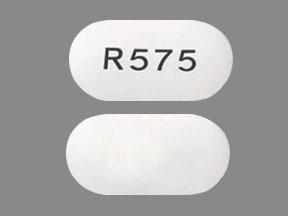
Ibandronate Sodium
Ibandronate Sodium 150MG
What is Ibandronate Sodium?
Ibandronate Sodium is a bisphosphonate medication primarily used to prevent and treat osteoporosis in postmenopausal women. By inhibiting osteoclast-mediated bone resorption, it helps increase bone mass and reduce the risk of spinal fractures. Ibandronate Sodium is available under various brand names, including Boniva, and can be administered either orally or via intravenous injection.Side Effects
- Unusual pain in your thigh, groin, or hip
- Muscle spasms or twitching, tingling or numbness in your fingers, toes, or around your mouth
- Allergic reaction: Itching or hives, swelling in your face or hands, swelling or tingling in your mouth or throat, chest tightness, trouble breathing
Warnings
- Tell your doctor if you are pregnant or breastfeeding, or if you have kidney disease, heartburn, anemia, blood clotting problems, ulcers or other stomach or bowel problems, a vitamin D deficiency, or a history of cancer. Tell your doctor if you have dental problems or if you wear dentures.
- This medicine may cause the following problems:Damage to your esophagusLow calcium levelsIncreased risk for a thigh bone fracture
- Tell any doctor or dentist who treats you that you are using this medicine. This medicine could cause jaw problems, especially if you have a tooth pulled or have other dental work.
- This medicine may interact with the dye used for bone scans.
- Your doctor will do lab tests at regular visits to check on the effects of this medicine. Keep all appointments.
Prescription savings · · · ·
What is Ibandronate Sodium ?
Ibandronate Sodium is a bisphosphonate medication primarily used to prevent and treat osteoporosis in postmenopausal women. By inhibiting osteoclast-mediated bone resorption, it helps increase bone mass and reduce the risk of spinal fractures. Ibandronate Sodium is available under various brand names, including Boniva, and can be administered either orally or via intravenous injection.- Unusual pain in your thigh, groin, or hip
- Muscle spasms or twitching, tingling or numbness in your fingers, toes, or around your mouth
- Allergic reaction: Itching or hives, swelling in your face or hands, swelling or tingling in your mouth or throat, chest tightness, trouble breathing
- Difficult or painful swallowing
- Severe bone, joint, or muscle pain
- Pain, swelling, numbness, or a heavy feeling in your mouth or jaw, loose teeth, or other tooth problems
- Chest pain, new or worsening heartburn, or a burning feeling in your throat
- Tell your doctor if you are pregnant or breastfeeding, or if you have kidney disease, heartburn, anemia, blood clotting problems, ulcers or other stomach or bowel problems, a vitamin D deficiency, or a history of cancer. Tell your doctor if you have dental problems or if you wear dentures.
- This medicine may cause the following problems:Damage to your esophagusLow calcium levelsIncreased risk for a thigh bone fracture
- Tell any doctor or dentist who treats you that you are using this medicine. This medicine could cause jaw problems, especially if you have a tooth pulled or have other dental work.
- This medicine may interact with the dye used for bone scans.
- Your doctor will do lab tests at regular visits to check on the effects of this medicine. Keep all appointments.
- Keep all medicine out of the reach of children. Never share your medicine with anyone.
- Unusual pain in your thigh, groin, or hip
Ibandronate Sodium Coupons & Prices
Ibandronate Sodium 150MG

4 ED medications in one dose
Apomorphine, sildenafil, tadalafil & vardenafil · One sublingual dose · Free express shipping
Ibandronate Sodium prices by dosage
Lowest cash price with a free Rx.com coupon vs. the average retail price.
| Dosage | Quantity | Retail price | Rx.com price |
|---|---|---|---|
| 150mg · Tablet | 3 | $413.89 | $21.51 |
Cash prices near ZIP 77433; updated regularly. Actual pharmacy price may vary.
Ibandronate sodium (brand name Boniva) is a generic bisphosphonate used to treat and prevent postmenopausal osteoporosis, and if you're searching for an ibandronate sodium coupon, the good news is that a generic version is already available — but the price you're quoted can still vary a lot from one pharmacy to the next, so it's worth comparing before you fill it. Enter your ZIP code above and Rx.com checks pricing across more than 60,000 U.S. pharmacies to help you find today's price near you.
What Is Ibandronate Sodium and How Does It Work?
Ibandronate sodium is a nitrogen-containing bisphosphonate, a class of antiresorptive bone medications. It works by inhibiting osteoclast-mediated bone resorption — slowing the cells that break down bone — which helps increase bone mineral density and reduces the risk of vertebral (spine) fractures. It's FDA-approved for the treatment and prevention of postmenopausal osteoporosis.
Ibandronate comes in a few forms: a once-monthly 150 mg oral tablet (approved for both treatment and prevention), an older once-daily 2.5 mg oral tablet, and a 3 mg intravenous (IV) injection given every three months in a clinical setting, which is approved for treatment only, not prevention. It is not FDA-approved for use in men or for glucocorticoid-induced osteoporosis; other bisphosphonates are more commonly used off-label for those situations.
Ibandronate Sodium Cost Without Insurance
A generic version of oral ibandronate sodium is available, but generic pricing is not one-size-fits-all — cash prices for the same tablet can differ significantly depending on which pharmacy fills it, even within the same city. The IV formulation is typically administered in a clinic or infusion setting, so its cost and coverage work differently than a pharmacy-filled tablet and depend on where it's given.
Rather than guessing, enter your ZIP code above to compare today's ibandronate sodium prices across pharmacies near you, including options that may be lower than what your insurance copay would otherwise charge.
Ibandronate vs. Other Osteoporosis Treatments
Ibandronate sodium is one of several bisphosphonates used for osteoporosis. Other oral and IV bisphosphonates in the same drug class include alendronate, risedronate, and zoledronic acid. Non-bisphosphonate options that work differently to reduce fracture risk include denosumab and the selective estrogen receptor modulator raloxifene.
Because bisphosphonates are contraindicated in patients with low calcium levels, providers typically want calcium and vitamin D levels corrected before starting treatment — see calcium/vitamin D supplementation. Your provider can help determine which option fits your bone health, kidney function, and dental history.
Safety Information for Ibandronate Sodium
Ibandronate sodium does not carry an FDA boxed warning, but there are important precautions to know. Oral ibandronate can cause esophageal irritation or ulceration, so it must be taken with a full glass of plain water, and you need to stay fully upright — sitting or standing — for at least 60 minutes afterward, avoiding food, drinks, and other medications during that window. It's not appropriate for people with certain esophageal abnormalities that delay emptying, or for anyone unable to stay upright for a full hour.
- Osteonecrosis of the jaw has been reported, with risk increasing around invasive dental procedures — a dental exam before starting is generally recommended.
- Atypical femur (thigh bone) fractures have occurred with long-term use, which is why providers periodically reassess how long treatment is needed.
- Severe, sometimes disabling bone, joint, or muscle pain can develop, with onset ranging from days to years after starting.
- Ibandronate is contraindicated in people with hypocalcemia (low blood calcium); this needs to be corrected before starting.
- The IV injection form carries an added risk of renal impairment or acute kidney injury, particularly in people with existing kidney disease or those taking other drugs that can affect the kidneys.
- A rare signal of atrial fibrillation was seen in clinical trials.
This is not a complete list of risks. Talk to your doctor or pharmacist about whether ibandronate sodium is right for you.
This Ibandronate Sodium information was written and reviewed against authoritative U.S. medical sources — MedlinePlus (U.S. National Library of Medicine), DailyMed, and FDA prescribing information — and checked for accuracy. It is provided for education and is not a substitute for professional medical advice.
Verify the official label: Ibandronate Sodium on DailyMed (FDA)
Reviewed against FDA labeling · Last reviewed July 2026
Related Drugs
Browse more medications: starting with I · full A-Z directory · by condition · common drugs
Medical disclaimer: This information is provided for general educational purposes only and is not medical advice. It is not a substitute for professional diagnosis or treatment. Always consult a licensed physician, pharmacist, or other qualified healthcare provider before starting, stopping, or changing any medication or treatment. Never disregard professional medical advice or delay seeking it because of something you read here. If you think you may have a medical emergency, call your doctor or 911 immediately.


