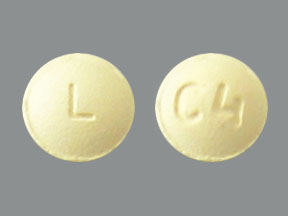
Rivaroxaban
Rivaroxaban 2.5MG
¿Qué es Rivaroxaban?
Rivaroxabán es un medicamento anticoagulante oral que inhibe selectivamente el factor Xa, un componente esencial en la cascada de coagulación sanguínea, para reducir efectivamente el riesgo de accidente cerebrovascular y embolismo sistémico en pacientes con fibrilación auricular no valvular. También se utiliza para la prevención y tratamiento de la trombosis venosa profunda y el embolismo pulmonar, ofreciendo una alternativa conveniente a la warfarina sin la necesidad de un monitoreo rutinario. Su perfil farmacocinético predecible permite una dosificación diaria, mejorando la adherencia del paciente.Side Effects
- Bleeding
- Nausea
- Bruising easily
Warnings
- Increased risk of bleeding, which can be serious and potentially life-threatening
- Do not stop taking rivaroxaban without consulting your healthcare provider, as there is an increased risk of stroke
- Not recommended for patients with artificial heart valves
- Use with caution in patients with severe renal impairment
- Avoid using in conjunction with other medications that affect coagulation
Prescription savings · ·
¿Qué es Rivaroxaban ?
Rivaroxabán es un medicamento anticoagulante oral que inhibe selectivamente el factor Xa, un componente esencial en la cascada de coagulación sanguínea, para reducir efectivamente el riesgo de accidente cerebrovascular y embolismo sistémico en pacientes con fibrilación auricular no valvular. También se utiliza para la prevención y tratamiento de la trombosis venosa profunda y el embolismo pulmonar, ofreciendo una alternativa conveniente a la warfarina sin la necesidad de un monitoreo rutinario. Su perfil farmacocinético predecible permite una dosificación diaria, mejorando la adherencia del paciente.Rivaroxaban Cupones y Precios - Rx.com
Rivaroxaban 2.5MG

Weight-loss medication, prescribed online
Licensed U.S. providers · No insurance needed · Shipped to your door
Browse more medications: starting with R · full A-Z directory · by condition · common drugs
Medical disclaimer: This information is provided for general educational purposes only and is not medical advice. It is not a substitute for professional diagnosis or treatment. Always consult a licensed physician, pharmacist, or other qualified healthcare provider before starting, stopping, or changing any medication or treatment. Never disregard professional medical advice or delay seeking it because of something you read here. If you think you may have a medical emergency, call your doctor or 911 immediately.


