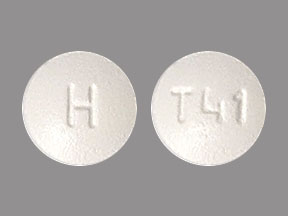
Teriflunomide
Teriflunomide 14MG
What is Teriflunomide?
Teriflunomide is an immunomodulatory drug primarily used to treat relapsing forms of multiple sclerosis (MS). It works by inhibiting the enzyme dihydroorotate dehydrogenase, reducing the proliferation of activated T and B lymphocytes, which are believed to contribute to the autoimmune attack on myelin.Side Effects
- Swollen, painful, or tender lymph glands in your neck, armpit, or groin
- Fast, slow, or pounding heartbeat
- Unusual bleeding, bruising, or weakness
Warnings
- This medicine may cause birth defects if either partner is using it during conception or pregnancy. Tell your doctor right away if you or your partner becomes pregnant. If you are a woman who can get pregnant, your doctor may do tests to make sure you are not pregnant before starting treatment. Use an effective form of birth control to prevent pregnancy.
- Teriflunomide may stay in your blood for up to 2 years after you stop using it. Your doctor can give you medicine to remove it from your body faster, if needed. Talk to your doctor if you have questions or concerns about this.
- Do not breastfeed during treatment with this medicine
- Tell your doctor if you have kidney disease, liver disease, bone marrow problems, diabetes, high blood pressure, lung disease, nerve problems, any type of infection, or a history of tuberculosis.
- This medicine may cause the following problems:Liver problemsLung problemsIncreased risk of cancerPeripheral neuropathySerious skin reactions (including Stevens-Johnson syndrome, toxic epidermal necrolysis)Drug reaction with eosinophilia and systemic symptoms (DRESS), which may affect multiple organs, including liver, kidneys, or heart
Prescription savings · · · ·
What is Teriflunomide ?
Teriflunomide is an immunomodulatory drug primarily used to treat relapsing forms of multiple sclerosis (MS). It works by inhibiting the enzyme dihydroorotate dehydrogenase, reducing the proliferation of activated T and B lymphocytes, which are believed to contribute to the autoimmune attack on myelin.- Swollen, painful, or tender lymph glands in your neck, armpit, or groin
- Fast, slow, or pounding heartbeat
- Unusual bleeding, bruising, or weakness
- Fever, chills, runny or stuffy nose, sore throat, body aches
- Allergic reaction: Itching or hives, swelling in your face or hands, swelling or tingling in your mouth or throat, chest tightness, trouble breathing
- Blistering, peeling, red skin rash
- Cough, trouble breathing or swallowing
- Dark urine or pale stools, nausea, vomiting, loss of appetite, stomach pain, yellow skin or eyes
- Numbness, tingling, or burning pain in your hands, arms, legs, or feet
- This medicine may cause birth defects if either partner is using it during conception or pregnancy. Tell your doctor right away if you or your partner becomes pregnant. If you are a woman who can get pregnant, your doctor may do tests to make sure you are not pregnant before starting treatment. Use an effective form of birth control to prevent pregnancy.
- Teriflunomide may stay in your blood for up to 2 years after you stop using it. Your doctor can give you medicine to remove it from your body faster, if needed. Talk to your doctor if you have questions or concerns about this.
- Do not breastfeed during treatment with this medicine
- Tell your doctor if you have kidney disease, liver disease, bone marrow problems, diabetes, high blood pressure, lung disease, nerve problems, any type of infection, or a history of tuberculosis.
- This medicine may cause the following problems:Liver problemsLung problemsIncreased risk of cancerPeripheral neuropathySerious skin reactions (including Stevens-Johnson syndrome, toxic epidermal necrolysis)Drug reaction with eosinophilia and systemic symptoms (DRESS), which may affect multiple organs, including liver, kidneys, or heart
- This medicine may make you bleed, bruise, or get infections more easily. Take precautions to prevent illness and injury. Wash your hands often.
- You will need to have a test for tuberculosis before you start to use this medicine.
- Tell any doctor or dentist who treats you that you are using this medicine. This medicine may affect certain medical test results.
- Your doctor will do lab tests at regular visits to check on the effects of this medicine. Keep all appointments. Your doctor will also need to check your blood pressure.
- Keep all medicine out of the reach of children. Never share your medicine with anyone.
Teriflunomide Coupons & Prices
Teriflunomide 14MG

4 ED medications in one dose
Sildenafil, tadalafil, apomorphine & L-Citrulline · Works in ~15 min · Lasts up to 36 hours
Teriflunomide prices by dosage
Lowest cash price with a free Rx.com coupon vs. the average retail price.
| Dosage | Quantity | Retail price | Rx.com price |
|---|---|---|---|
| 7mg · Tablet | 30 | $11,711.20 | $50.54 |
| 14mg · Tablet | 30 | $190.00 | $51.80 |
Cash prices near ZIP 77433; updated regularly. Actual pharmacy price may vary.
A teriflunomide coupon from Rx.com can lower what you pay at the pharmacy counter for this once-daily multiple sclerosis tablet, the generic version of Aubagio. Cash prices for the same 7 mg or 14 mg tablet can differ a lot from one pharmacy to the next, even between stores on the same street, so it is worth comparing before you fill. Enter your ZIP code above to see today's price near you across the 60,000+ pharmacies we compare, then show the coupon at the counter.
What is teriflunomide and how does it work?
Teriflunomide is an oral disease-modifying therapy (DMT) for multiple sclerosis. It is an immunomodulatory agent that works by blocking an enzyme called dihydroorotate dehydrogenase (DHODH), which cells need to build new pyrimidines. Slowing that step reduces the activity of the immune cells involved in MS inflammation. Teriflunomide is the active metabolite of leflunomide, a medicine used for rheumatoid arthritis.
It is FDA-approved to treat relapsing forms of multiple sclerosis in adults, including clinically isolated syndrome, relapsing-remitting disease, and active secondary progressive disease. It is taken as one 7 mg or 14 mg tablet once a day, with or without food. Teriflunomide helps control MS and reduce the relapse rate, but it is not a cure. It is not FDA-approved for primary progressive MS.
Teriflunomide cost and coupons without insurance
Teriflunomide is available as an FDA-approved generic, which is usually the lower-cost way to fill this prescription compared with the brand. Even so, cash prices are not the same everywhere. Pharmacies set their own cash prices, and the difference between two nearby stores for the same 30-day supply can be substantial. That is the whole reason comparing matters: enter your ZIP above and Rx.com will check current prices across more than 60,000 U.S. pharmacies, then give you a free coupon to show the pharmacist. There is no membership and no insurance required.
If you have insurance, ask your pharmacy to run both your plan and the coupon price, then pay whichever is lower (you cannot combine the two). Teva, which markets a generic teriflunomide, offers a copay card program on its official website, and Sanofi/Genzyme runs a cost-support page for the brand Aubagio. Eligibility and terms for those programs vary and typically exclude government insurance, so check directly with the manufacturer. Specialty MS medicines are often filled through a specific pharmacy your plan designates, so confirm with your prescriber where your prescription can go.
Teriflunomide vs. Aubagio and other MS medicines
Teriflunomide is the generic name for the drug sold under the brand Aubagio (Sanofi/Genzyme). An FDA-approved generic contains the same active ingredient at the same strength and is expected to work the same way. Many people take the generic simply because the total cash price tends to be lower, but always compare the actual price for your strength at your pharmacy rather than assuming.
Teriflunomide is one of several oral disease-modifying therapies for relapsing MS. Others your neurologist may discuss include dimethyl fumarate (brand Tecfidera) and fingolimod (brand Gilenya). These work differently from teriflunomide and have their own monitoring requirements and side effects. Teriflunomide's parent compound, leflunomide, is used for rheumatoid arthritis rather than MS, and the two should never be taken together. Choosing among MS therapies is a decision for you and your neurologist, not something to base on price alone.
Important safety information
Teriflunomide carries two FDA boxed warnings. The first is hepatotoxicity: severe and sometimes fatal liver injury has been reported. The drug is contraindicated in people with severe liver impairment, and your provider should check liver enzymes (ALT/AST) within six months before you start and then monthly for the first six months of treatment. Risk is higher if you have existing liver disease or take other medicines that can affect the liver. The second is embryo-fetal toxicity: teriflunomide may cause major birth defects. It is contraindicated in pregnancy and in females of reproductive potential who are not using effective contraception. Pregnancy must be ruled out before starting, and effective birth control is required during treatment and until blood levels fall below a threshold your doctor will confirm with a test. Men who wish to father a child should also stop the drug and discuss accelerated elimination. Teriflunomide is also contraindicated with leflunomide and in anyone with a history of severe hypersensitivity to either drug.
Teriflunomide leaves the body very slowly and can stay in the blood for up to about two years after the last dose. When it needs to be cleared quickly, doctors use an accelerated elimination procedure with cholestyramine or activated charcoal. Other risks in the label include bone marrow effects and immunosuppression, serious infections (including reactivation of tuberculosis, so you should be screened for latent TB before starting), peripheral neuropathy, increased blood pressure, interstitial lung disease, acute kidney failure with high potassium, serious skin reactions such as Stevens-Johnson syndrome, toxic epidermal necrolysis and DRESS, and pancreatitis. Live vaccines should generally be avoided. Common side effects are headache, diarrhea, nausea, hair thinning, and elevated liver enzymes. This page is information, not medical advice. Talk with your doctor or pharmacist about your full medication list, and get medical help right away for yellowing of the skin or eyes, dark urine, severe rash, or trouble breathing.
This Teriflunomide information was written and reviewed against authoritative U.S. medical sources — MedlinePlus (U.S. National Library of Medicine), DailyMed, and FDA prescribing information — and checked for accuracy. It is provided for education and is not a substitute for professional medical advice.
Verify the official label: Teriflunomide on DailyMed (FDA)
Reviewed against FDA labeling · Last reviewed July 2026
Related Drugs
Browse more medications: starting with T · full A-Z directory · by condition · common drugs
Medical disclaimer: This information is provided for general educational purposes only and is not medical advice. It is not a substitute for professional diagnosis or treatment. Always consult a licensed physician, pharmacist, or other qualified healthcare provider before starting, stopping, or changing any medication or treatment. Never disregard professional medical advice or delay seeking it because of something you read here. If you think you may have a medical emergency, call your doctor or 911 immediately.


