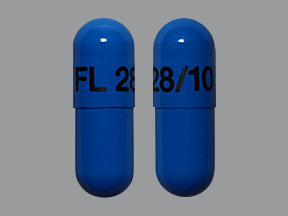
Namzaric
Namzaric 28-10MG
What is Namzaric?
Namzaric is used to treat Alzheimer disease. Memantine Hydrochloride and Donepezil Hydrochloride are the generic versions of this medication. On average Namzaric is priced at about $501 for a supply of 30, 10 mg/28 mg capsules. Luckily, you can use our Rx.com savings offer to receive a Namzaric discount of up to 80% off the retail price at participating pharmacies near you.Side Effects
- Vomiting blood or material that looks like coffee grounds, severe stomach pain
- Decrease in how much or how often you urinate
- Allergic reaction: Itching or hives, swelling in your face or hands, swelling or tingling in your mouth or throat, chest tightness, trouble breathing
Warnings
- Tell your doctor if you are pregnant or breastfeeding, or if you have kidney disease, heart disease, stomach ulcers or bleeding, trouble urinating, or a history of asthma or lung or breathing problems.
- This medicine may cause the following problems:Stomach or bowel bleedingSeizures
- Tell any doctor or dentist who treats you that you are using this medicine. You may need to stop using this medicine several days before you have surgery or medical tests.
- Your doctor will check your progress and the effects of this medicine at regular visits. Keep all appointments.
- Keep all medicine out of the reach of children. Never share your medicine with anyone.
Prescription savings · · · ·
What is Namzaric ?
Namzaric is used to treat Alzheimer disease. Memantine Hydrochloride and Donepezil Hydrochloride are the generic versions of this medication. On average Namzaric is priced at about $501 for a supply of 30, 10 mg/28 mg capsules. Luckily, you can use our Rx.com savings offer to receive a Namzaric discount of up to 80% off the retail price at participating pharmacies near you.- Vomiting blood or material that looks like coffee grounds, severe stomach pain
- Decrease in how much or how often you urinate
- Allergic reaction: Itching or hives, swelling in your face or hands, swelling or tingling in your mouth or throat, chest tightness, trouble breathing
- Blistering, peeling, red skin rash
- Bloody or black, tarry stools
- Slow, fast, or uneven heartbeat
- Chest pain, fainting, trouble breathing
- Seizures
- Tell your doctor if you are pregnant or breastfeeding, or if you have kidney disease, heart disease, stomach ulcers or bleeding, trouble urinating, or a history of asthma or lung or breathing problems.
- This medicine may cause the following problems:Stomach or bowel bleedingSeizures
- Tell any doctor or dentist who treats you that you are using this medicine. You may need to stop using this medicine several days before you have surgery or medical tests.
- Your doctor will check your progress and the effects of this medicine at regular visits. Keep all appointments.
- Keep all medicine out of the reach of children. Never share your medicine with anyone.
- Slow, fast, or uneven heartbeat
- Seizures
- Vomiting blood or material that looks like coffee grounds, severe stomach pain
Namzaric Coupons & Prices
Namzaric 28-10MG

4 ED medications in one dose
Sildenafil, tadalafil, apomorphine & L-Citrulline · Works in ~15 min · Lasts up to 36 hours
Namzaric prices by dosage
Lowest cash price with a free Rx.com coupon vs. the average retail price.
| Dosage | Quantity | Retail price | Rx.com price |
|---|---|---|---|
| 7-10mg · Capsule Extended Release 24 Hour | 30 | $750.99 | $611.36 |
| 14-10mg · Capsule Extended Release 24 Hour | 30 | $818.99 | $611.36 |
| 21-10mg · Capsule Extended Release 24 Hour | 30 | $750.99 | $611.36 |
| 28-10mg · Capsule Extended Release 24 Hour | 30 | $818.99 | $611.36 |
Cash prices near ZIP 77433; updated regularly. Actual pharmacy price may vary.
If you're searching for a Namzaric coupon, you have options beyond the manufacturer's savings card. Namzaric (memantine hydrochloride extended-release / donepezil hydrochloride) is an FDA-approved combination capsule for moderate to severe Alzheimer's dementia, and because a generic version is now available, Rx.com can help you compare cash prices at pharmacies near you — enter your ZIP above to see today's price.
What Is Namzaric and How Does It Work?
Namzaric combines two medicines already used to treat Alzheimer's disease: extended-release memantine, an NMDA receptor antagonist, and donepezil, a cholinesterase inhibitor. It's FDA-approved specifically for patients with moderate to severe dementia of the Alzheimer's type who are already stabilized on donepezil hydrochloride 10 mg once daily — it's not a starting medication and it isn't approved for other conditions.
By combining two active ingredients into one capsule, Namzaric is meant to simplify a dosing routine for patients or caregivers who would otherwise be managing two separate prescriptions.
Manufacturer Savings Card vs. the Rx.com Cash Coupon
Namzaric's manufacturer runs an official copay savings program for eligible patients — terms, eligibility, and any savings caps are set by the manufacturer, not Rx.com, and vary. Like most brand manufacturer cards, it's generally intended for people with commercial insurance and typically excludes patients enrolled in Medicare, Medicaid, or other government health programs.
If you're uninsured, on Medicare, or your manufacturer card is declined at the pharmacy counter, the Rx.com cash coupon for Namzaric works differently — it isn't tied to insurance status. Because a generic version of Namzaric is available, it's also worth asking your pharmacist to price the generic alongside the brand; enter your ZIP above to compare pharmacy prices near you.
Namzaric Alternatives: Memantine, Donepezil, and Other Options
Namzaric is a fixed-dose combination of two ingredients that are also sold as standalone medications. If your prescriber is weighing separate pills against the combination capsule, the individual components are memantine HCl extended-release (also sold as the brand Namenda XR) and donepezil HCl (also sold as the brand Aricept). Immediate-release memantine is also available as memantine HCl or the brand Namenda.
Ask your doctor or pharmacist which approach — the combination capsule or two separate prescriptions — makes the most sense for your dosing routine and coverage.
Namzaric Safety Information
Namzaric does not carry an FDA boxed warning. The label lists several separate precautions. Cholinomimetic drugs like the donepezil component are believed to have some potential to cause generalized seizures, so seizure activity should be considered in the differential diagnosis for patients on Namzaric. Separately, because of their cholinergic activity, cholinesterase inhibitors such as donepezil should be prescribed with care to patients with a history of asthma or obstructive pulmonary disease, since they can increase airway secretions and bronchoconstriction — this pulmonary caution is not related to the seizure precaution. Namzaric may also exaggerate succinylcholine-type muscle relaxation during anesthesia, its vagotonic effect can cause a slowed heart rate or heart block in patients with conduction problems, and there are precautions around GI bleeding risk (especially in patients prone to ulcers) and bladder outflow obstruction. Namzaric is contraindicated in anyone with hypersensitivity to memantine, donepezil, piperidine derivatives, or the capsule's other ingredients.
The most commonly reported side effects include headache, diarrhea, and dizziness (linked to the memantine component) and diarrhea, appetite loss, vomiting, nausea, and bruising (linked to the donepezil component). This is general information, not medical advice — talk to your doctor or pharmacist about your health history before starting or changing this medication.
This Namzaric information was written and reviewed against authoritative U.S. medical sources — MedlinePlus (U.S. National Library of Medicine), DailyMed, and FDA prescribing information — and checked for accuracy. It is provided for education and is not a substitute for professional medical advice.
Verify the official label: Namzaric on DailyMed (FDA)
Reviewed against FDA labeling · Last reviewed July 2026
Related Drugs
Browse more medications: starting with N · full A-Z directory · by condition · common drugs
Medical disclaimer: This information is provided for general educational purposes only and is not medical advice. It is not a substitute for professional diagnosis or treatment. Always consult a licensed physician, pharmacist, or other qualified healthcare provider before starting, stopping, or changing any medication or treatment. Never disregard professional medical advice or delay seeking it because of something you read here. If you think you may have a medical emergency, call your doctor or 911 immediately.


