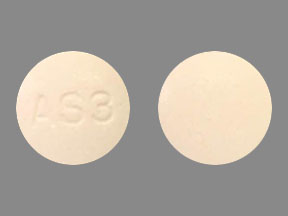
Sodium Bicarbonate
Sodium Bicarbonate 650MG
What is Sodium Bicarbonate?
Sodium bicarbonate, commonly known as baking soda, is a white crystalline compound with the formula NaHCO₃. It is used medicinally to treat acid indigestion and heartburn by neutralizing stomach acid. In pharmaceutical formulations, it also functions as an alkalinizing agent, helping to maintain the pH balance in the body.Side Effects
- Rapid weight gain.
- Stomach discomfort that gets worse or new stomach symptoms.
- Headache that continues.
Warnings
- Make sure your doctor knows if you are pregnant or breastfeeding.
- This medicine contains salt. Talk to your doctor before using this medicine if you are on a low-sodium (low-salt) diet.
- Tell your doctor if your symptoms last for longer than two weeks.
- Severe stomach pain.
- Shortness of breath, cold sweats, and bluish-colored skin.
Prescription savings · · · ·
What is Sodium Bicarbonate ?
Sodium bicarbonate, commonly known as baking soda, is a white crystalline compound with the formula NaHCO₃. It is used medicinally to treat acid indigestion and heartburn by neutralizing stomach acid. In pharmaceutical formulations, it also functions as an alkalinizing agent, helping to maintain the pH balance in the body.- Rapid weight gain.
- Stomach discomfort that gets worse or new stomach symptoms.
- Headache that continues.
- Shortness of breath, cold sweats, and bluish-colored skin.
- Allergic reaction: Itching or hives, swelling in your face or hands, swelling or tingling in your mouth or throat, chest tightness, trouble breathing
- Severe stomach pain.
- Swelling in your hands, ankles, or feet.
- Make sure your doctor knows if you are pregnant or breastfeeding.
- This medicine contains salt. Talk to your doctor before using this medicine if you are on a low-sodium (low-salt) diet.
- Tell your doctor if your symptoms last for longer than two weeks.
- Severe stomach pain.
- Shortness of breath, cold sweats, and bluish-colored skin.
- Stomach discomfort that gets worse or new stomach symptoms.
- Swelling in your hands, ankles, or feet.
Sodium Bicarbonate Coupons & Prices
Sodium Bicarbonate 650MG
Weight-loss medication, prescribed online
Licensed U.S. providers · No insurance needed · Shipped to your door
Sodium Bicarbonate prices by dosage
Lowest cash price with a free Rx.com coupon vs. the average retail price.
| Dosage | Quantity | Retail price | Rx.com price |
|---|---|---|---|
| 325mg · Tablet | 180 | $18.51 | $8.82 |
| 650mg · Tablet | 180 | $14.43 | $6.80 |
Cash prices near ZIP 77433; updated regularly. Actual pharmacy price may vary.
Looking for a sodium bicarbonate coupon? Sodium bicarbonate is an alkali salt sold over the counter as plain, unbranded tablets (325 mg / 5 grain and 650 mg / 10 grain) and as powder, and it is also used under a doctor's direction to correct low bicarbonate levels or to make the urine less acidic. Because it is almost always an unbranded generic, there is no manufacturer copay card for it, but pharmacy cash prices still vary from store to store, and some pharmacies fill sodium bicarbonate tablets behind the counter or on a prescription where a discount coupon applies. Enter your ZIP code above to see today's price at pharmacies near you and print or text yourself a free Rx.com coupon before you go.
What is sodium bicarbonate and how does it work?
Sodium bicarbonate is the same compound as ordinary baking soda. It is a base, meaning it neutralizes acid. Swallowed as a tablet or dissolved powder, it reacts with stomach acid and raises the pH in the stomach, which is why it is covered by the FDA's over-the-counter antacid monograph for relief of acid indigestion, heartburn, sour stomach, and the upset stomach that goes with those symptoms. Some of the bicarbonate is absorbed into the blood, so unlike antacids that stay in the gut, sodium bicarbonate also raises the pH of the blood and the urine. That is why it is classed as both an antacid and a systemic and urinary alkalinizing agent.
That whole-body effect is the reason doctors sometimes direct patients to take oral sodium bicarbonate for reasons that go beyond the OTC label, including correcting chronic metabolic acidosis in chronic kidney disease and renal tubular acidosis, and alkalinizing the urine to help prevent uric acid or cystine stones. Those uses are clinical-practice uses directed by a clinician rather than FDA-monograph OTC uses, and the dose and monitoring are different from heartburn dosing, so do not start them on your own. A separate prescription sodium bicarbonate injection exists for hospital use in metabolic acidosis, large bicarbonate losses from severe diarrhea, certain poisonings such as tricyclic antidepressant overdose and salicylate poisoning, high potassium, and urinary alkalinization. This page is general information, not medical advice.
How to save on sodium bicarbonate with an Rx.com coupon
Sodium bicarbonate is sold mainly as an unbranded generic, so there is no brand-name manufacturer savings card to chase. What does change is the pharmacy. Cash prices for the same 325 mg or 650 mg bottle can differ noticeably between a chain drugstore, a grocery pharmacy, and a warehouse pharmacy in the same town. Enter your ZIP above to compare what pharmacies near you are charging today.
A few practical notes for an over-the-counter product like this one:
- Some OTC items ring up cheaper when your prescriber writes them as a prescription and the pharmacy runs a discount coupon on it, so it is worth asking, especially if you are taking sodium bicarbonate long-term for a kidney or urine-alkalinizing reason.
- The Rx.com coupon is free, has no membership fee, and does not use your insurance. Show it at the counter and the pharmacist applies the discounted price.
- If your plan does cover it, compare your copay to the coupon price and use whichever is lower. You cannot combine the two on one fill.
- Bicarbonate bought as a plain grocery-aisle baking soda box is not a substitute for a labeled, dosed drug product, and it should not be used for medical dosing unless your doctor specifically tells you how.
Sodium bicarbonate vs. other options
For plain heartburn and acid indigestion, sodium bicarbonate is a fast, short-acting antacid, but it comes with a large sodium load and a systemic effect that other choices do not have. Calcium carbonate is another over-the-counter antacid that works locally in the stomach without the sodium. For symptoms that keep coming back, acid reducers work differently and last longer: famotidine is an H2 blocker, while omeprazole and pantoprazole are proton pump inhibitors that cut acid production for a longer stretch. (Zegerid is a marketed combination of omeprazole with sodium bicarbonate, where the bicarbonate is there to protect the omeprazole from stomach acid.)
When sodium bicarbonate is used to alkalinize the urine, for example to help prevent uric acid stones, potassium citrate is the alternative a doctor may prefer, since it raises urine pH without adding sodium. Which one is right depends on your kidney function, your blood potassium, and your blood pressure, so that is a conversation for your clinician, not a swap to make on your own.
Safety, side effects, and drug interactions
Sodium bicarbonate has no boxed warning, but it is not a harmless product. Every dose delivers a meaningful amount of sodium. Use it with caution, or avoid it, if you are on a sodium-restricted diet or have heart failure, high blood pressure, swelling (edema), cirrhosis, or kidney disease. Taking too much, or taking it for too long, can push the body's chemistry too far the other way and cause metabolic alkalosis, low potassium, low calcium, and fluid retention. Combining it heavily with milk or calcium supplements can cause milk-alkali syndrome. The more common, milder effects are increased thirst, stomach cramps, and belching or gas.
Follow the label limits: for adults under 60, no more than 24 tablets of the 650 mg strength in 24 hours; for age 60 and older, no more than 12. Do not self-treat for more than two weeks without seeing a doctor, and do not give it to children under 12 unless a doctor directs it. Because it raises stomach and urine pH, sodium bicarbonate can change how much of other medicines your body absorbs or clears, including ketoconazole, itraconazole, iron, tetracyclines, quinolone antibiotics, salicylates, lithium, and amphetamines, so separate other medicines from it by at least 2 hours and ask your pharmacist to check your full list. Get emergency help for severe headache, vomit that looks like coffee grounds, black or tarry stools, blood in the urine, slow breathing, weakness, irritability, or swelling of the feet or legs. This is general information and not a substitute for advice from your own provider.
This Sodium Bicarbonate information was written and reviewed against authoritative U.S. medical sources — MedlinePlus (U.S. National Library of Medicine), DailyMed, and FDA prescribing information — and checked for accuracy. It is provided for education and is not a substitute for professional medical advice.
Verify the official label: Sodium Bicarbonate on DailyMed (FDA)
Reviewed against FDA labeling · Last reviewed July 2026
Related Drugs
Browse more medications: starting with S · full A-Z directory · by condition · common drugs
Medical disclaimer: This information is provided for general educational purposes only and is not medical advice. It is not a substitute for professional diagnosis or treatment. Always consult a licensed physician, pharmacist, or other qualified healthcare provider before starting, stopping, or changing any medication or treatment. Never disregard professional medical advice or delay seeking it because of something you read here. If you think you may have a medical emergency, call your doctor or 911 immediately.


