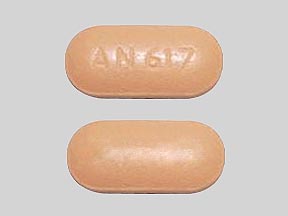
Tramadol-Acetaminophen
traMADol-Acetaminophen 37.5-325MG
What is Tramadol-Acetaminophen?
**Tramadol-Acetaminophen** **Description:** Tramadol-Acetaminophen is a combination medication used primarily to manage moderate to moderately severe pain. Tramadol is an opioid analgesic, which works by binding to the brain's opioid receptors, thereby reducing the perception of pain. Acetaminophen, commonly known as paracetamol, is a non-opioid pain reliever and a fever reducer that works by inhibiting the synthesis of chemical messengers called prostaglandins, which help to transmit pain signals and induce fever. **Indications:** This combination is typically prescribed when relief from moderate to severe pain is necessary, and non-opioid analgesics have not been sufficiently effective. It is often used in conditions such as osteoarthritis or post-surgical pain management. **Dosage and Administration:** The dosage of Tramadol-Acetaminophen typically depends on the severity of the pain and the patient’s response to therapy, while considering the lowest effective dosage for the shortest duration. It is important to follow prescribing instructions carefully to avoid potential side effects, especially given the risk of addiction, abuse, and misuse associated with opioids. **Contraindications:** This medication should not be used in patients with known hypersensitivity to tramadol or acetaminophen. It is contraindicated in situations where opioids are not advised, including after surgery to remove tonsils and/or adenoids in children, severe respiratory depression, or severe asthma in an unmonitored setting or in the absence of resuscitative equipment. **Side Effects:** Potential side effects may include dizziness, drowsiness, constipation, nausea, and vomiting. More serious side effects may include respiratory depression, profound sedation, addiction, and liver damage. It is crucial to monitor for signs of addiction, abuse, and misuse. **Interactions:** Tramadol-Acetaminophen can interact with several other medications, including benzodiazepines, muscle relaxants, sedatives, and alcohol, increasing the risk of significant respiratory depression. Serotonergic medications can interact to cause serotonin syndrome. Patients should discuss all current medications with their healthcare provider to avoid harmful interactions. **Precautions:** This medication should be used with caution in patients with a history of substance abuse or mental illness. It is also critical to assess liver function prior to initiation due to the hepatotoxic potential of acetaminophen. Pregnant or nursing mothers should use this medication only if the potential benefits justify the potential risks to the fetus or infant. **Conclusion:** Tramadol-Acetaminophen is an effective treatment for moderate to moderately severe pain but requires careful oversight to manage its risks, particularly those associated with the opioid component. Always consult with a healthcare professional for appropriate usage to manage pain effectively while minimizing risk.Side Effects
- Unusual mood or behavior, thoughts of killing yourself or others
- Shaking, trembling, sweating, hunger, confusion
- Changes in skin color, dark freckles, cold feeling, tiredness, weight loss
Warnings
- Tell your doctor if you are pregnant or breastfeeding, or if you have kidney disease, liver disease, adrenal problems, lung or breathing problems (including sleep apnea), diabetes, pancreas problems, depression, mental health problems, or a history of head injury or seizures, or you have been addicted to drugs or alcohol.
- This medicine may cause the following problems:High risk of overdose, which can lead to deathRespiratory depression (serious breathing problem that can be life-threatening)Sleep-related breathing problems (including sleep apnea, sleep-related hypoxemia)Serotonin syndrome (when used with certain medicines)Liver problemIncreased risk of seizuresAdrenal gland problemLow blood pressureSerious skin reactions (including Stevens-Johnson syndrome, toxic epidermal necrolysis)Hypoglycemia (low blood sugar level)
- This medicine may make you dizzy or drowsy, or may cause trouble with thinking or controlling body movements, which may lead to falls, fractures or other injuries. Do not drive or do anything else that could be dangerous until you know how this medicine affects you.
- This medicine can be habit-forming. Do not use more than your prescribed dose. Call your doctor if you think your medicine is not working.
- This medicine may cause constipation, especially with long-term use. Ask your doctor if you should use a laxative to prevent and treat constipation.
Prescription savings · · · ·
What is Tramadol-Acetaminophen ?
**Tramadol-Acetaminophen** **Description:** Tramadol-Acetaminophen is a combination medication used primarily to manage moderate to moderately severe pain. Tramadol is an opioid analgesic, which works by binding to the brain's opioid receptors, thereby reducing the perception of pain. Acetaminophen, commonly known as paracetamol, is a non-opioid pain reliever and a fever reducer that works by inhibiting the synthesis of chemical messengers called prostaglandins, which help to transmit pain signals and induce fever. **Indications:** This combination is typically prescribed when relief from moderate to severe pain is necessary, and non-opioid analgesics have not been sufficiently effective. It is often used in conditions such as osteoarthritis or post-surgical pain management. **Dosage and Administration:** The dosage of Tramadol-Acetaminophen typically depends on the severity of the pain and the patient’s response to therapy, while considering the lowest effective dosage for the shortest duration. It is important to follow prescribing instructions carefully to avoid potential side effects, especially given the risk of addiction, abuse, and misuse associated with opioids. **Contraindications:** This medication should not be used in patients with known hypersensitivity to tramadol or acetaminophen. It is contraindicated in situations where opioids are not advised, including after surgery to remove tonsils and/or adenoids in children, severe respiratory depression, or severe asthma in an unmonitored setting or in the absence of resuscitative equipment. **Side Effects:** Potential side effects may include dizziness, drowsiness, constipation, nausea, and vomiting. More serious side effects may include respiratory depression, profound sedation, addiction, and liver damage. It is crucial to monitor for signs of addiction, abuse, and misuse. **Interactions:** Tramadol-Acetaminophen can interact with several other medications, including benzodiazepines, muscle relaxants, sedatives, and alcohol, increasing the risk of significant respiratory depression. Serotonergic medications can interact to cause serotonin syndrome. Patients should discuss all current medications with their healthcare provider to avoid harmful interactions. **Precautions:** This medication should be used with caution in patients with a history of substance abuse or mental illness. It is also critical to assess liver function prior to initiation due to the hepatotoxic potential of acetaminophen. Pregnant or nursing mothers should use this medication only if the potential benefits justify the potential risks to the fetus or infant. **Conclusion:** Tramadol-Acetaminophen is an effective treatment for moderate to moderately severe pain but requires careful oversight to manage its risks, particularly those associated with the opioid component. Always consult with a healthcare professional for appropriate usage to manage pain effectively while minimizing risk.- Unusual mood or behavior, thoughts of killing yourself or others
- Shaking, trembling, sweating, hunger, confusion
- Changes in skin color, dark freckles, cold feeling, tiredness, weight loss
- Anxiety, restlessness, fast heartbeat, fever, sweating, muscle spasms, nausea, vomiting, diarrhea, seeing or hearing things that are not there
- Blistering, peeling, red skin rash
- Dark urine or pale stools, nausea, vomiting, loss of appetite, stomach pain, yellow skin or eyes
- Blue lips, fingernails, or skin
- Extreme dizziness, drowsiness, or weakness, trouble breathing, slow heartbeat or breathing, seizures, and cold, clammy skin
- Allergic reaction: Itching or hives, swelling in your face or hands, swelling or tingling in your mouth or throat, chest tightness, trouble breathing
- Seizures
- Lightheadedness, dizziness, fainting
- Weakness, muscle twitching
- Tell your doctor if you are pregnant or breastfeeding, or if you have kidney disease, liver disease, adrenal problems, lung or breathing problems (including sleep apnea), diabetes, pancreas problems, depression, mental health problems, or a history of head injury or seizures, or you have been addicted to drugs or alcohol.
- This medicine may cause the following problems:High risk of overdose, which can lead to deathRespiratory depression (serious breathing problem that can be life-threatening)Sleep-related breathing problems (including sleep apnea, sleep-related hypoxemia)Serotonin syndrome (when used with certain medicines)Liver problemIncreased risk of seizuresAdrenal gland problemLow blood pressureSerious skin reactions (including Stevens-Johnson syndrome, toxic epidermal necrolysis)Hypoglycemia (low blood sugar level)
- This medicine may make you dizzy or drowsy, or may cause trouble with thinking or controlling body movements, which may lead to falls, fractures or other injuries. Do not drive or do anything else that could be dangerous until you know how this medicine affects you.
- This medicine can be habit-forming. Do not use more than your prescribed dose. Call your doctor if you think your medicine is not working.
- This medicine may cause constipation, especially with long-term use. Ask your doctor if you should use a laxative to prevent and treat constipation.
- Do not stop using this medicine suddenly. Your doctor will need to slowly decrease your dose before you stop it completely.
- This medicine could cause infertility. Talk with your doctor before using this medicine if you plan to have children.
- Keep all medicine out of the reach of children. Never share your medicine with anyone.
- Drop off any unused narcotic medicine at a drug take-back location right away. If you do not have a drug take-back location near you, flush any unused narcotic medicine down the toilet. Check your local drug store and clinics for take-back locations. You can also check the DEA web site for locations. Here is the link to the FDA safe disposal of medicines website: www.fda.gov/drugs/resourcesforyou/consumers/buyingusingmedicinesafely/ensuringsafeuseofmedicine/safedisposalofmedicines/ucm186187.htm
- Your doctor will do lab tests at regular visits to check on the effects of this medicine. Keep all appointments.
Tramadol-Acetaminophen Coupons & Prices
traMADol-Acetaminophen 37.5-325MG
4 ED medications in one dose
Sildenafil, tadalafil, apomorphine & L-Citrulline · Works in ~15 min · Lasts up to 36 hours
Tramadol-Acetaminophen prices by dosage
Lowest cash price with a free Rx.com coupon vs. the average retail price.
| Dosage | Quantity | Retail price | Rx.com price |
|---|---|---|---|
| 37.5-325mg · Tablet | 30 | $43.69 | $14.02 |
Cash prices near ZIP 77433; updated regularly. Actual pharmacy price may vary.
Tramadol/acetaminophen combines a Schedule IV opioid pain reliever with acetaminophen for short-term treatment of acute pain. Searching for a tramadol-acetaminophen coupon? This medicine is a controlled substance, and pharmacy cash prices for it vary by location, so it's worth comparing before you fill. Enter your ZIP above to see today's price near you.
What Is Tramadol/Acetaminophen and How Does It Work?
Tramadol/acetaminophen tablets combine tramadol, an opioid pain reliever, with acetaminophen, a non-opioid pain reliever. The FDA-approved indication is for the short-term (five days or less) management of acute pain. Tramadol is a Schedule IV controlled substance under the Controlled Substances Act because of its potential for abuse and dependence.
Tramadol/Acetaminophen Cost and Savings
This combination was originally sold under the brand name Ultracet, which is no longer marketed in the U.S.; it's available only as a generic tablet today. Cash prices for generic tramadol/acetaminophen can vary significantly by pharmacy. Rx.com compares prices at 60,000+ pharmacies so you can find a lower price with a free coupon, and because it's a controlled substance, you'll need a valid prescription filled at one pharmacy (controlled substances generally cannot be transferred between pharmacies).
Tramadol/Acetaminophen vs. Other Pain Relievers
For short-term acute pain, providers may compare tramadol/acetaminophen with tramadol alone, acetaminophen alone, or other opioid combinations like hydrocodone/acetaminophen. The right choice depends on the type and severity of pain, other medications, and individual risk factors for opioid-related side effects — this is a decision for you and your provider, not a like-for-like OTC swap.
Safety Information
Tramadol/acetaminophen carries a boxed warning, the FDA's most serious safety warning, covering: risk of addiction, abuse, and misuse; life-threatening respiratory depression, especially when starting the medication or after a dose increase; accidental ingestion risk, particularly in children; neonatal opioid withdrawal syndrome with prolonged use during pregnancy; and serious risks, including hepatotoxicity (liver injury) from the acetaminophen component, especially if combined with other acetaminophen-containing products or alcohol. Combining this medicine with benzodiazepines, other CNS depressants, or alcohol can cause profound sedation, respiratory depression, coma, or death. This is general information, not medical advice — follow your provider's instructions closely and never exceed the prescribed dose or duration.
This Tramadol-Acetaminophen information was written and reviewed against authoritative U.S. medical sources — MedlinePlus (U.S. National Library of Medicine), DailyMed, and FDA prescribing information — and checked for accuracy. It is provided for education and is not a substitute for professional medical advice.
Verify the official label: Tramadol-Acetaminophen on DailyMed (FDA)
Reviewed against FDA labeling · Last reviewed July 2026
Related Drugs
Browse more medications: starting with T · full A-Z directory · by condition · common drugs
Medical disclaimer: This information is provided for general educational purposes only and is not medical advice. It is not a substitute for professional diagnosis or treatment. Always consult a licensed physician, pharmacist, or other qualified healthcare provider before starting, stopping, or changing any medication or treatment. Never disregard professional medical advice or delay seeking it because of something you read here. If you think you may have a medical emergency, call your doctor or 911 immediately.


