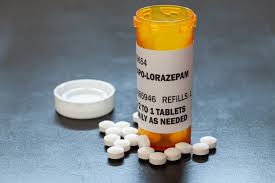
Ativan
Ativan 1ML of 2MG/ML
What is Ativan?
Lorazepam (Ativan) is a prescription medication used to treat anxiety disorders, short-term anxiety symptoms, insomnia related to anxiety, and certain seizure conditions. As a benzodiazepine, it works by calming the central nervous system to promote relaxation and reduce excessive nervous system activity.
Side Effects
- Drowsiness
- Dizziness
- Tiredness
Warnings
- May cause dependence with prolonged use
- Avoid alcohol while taking this medication
- Not recommended during pregnancy
- Use with caution in patients with respiratory conditions
- Can impair the ability to operate machinery or drive
Prescription savings · · · ·
What is Ativan ?
Lorazepam (Ativan) is a prescription medication used to treat anxiety disorders, short-term anxiety symptoms, insomnia related to anxiety, and certain seizure conditions. As a benzodiazepine, it works by calming the central nervous system to promote relaxation and reduce excessive nervous system activity.
- Drowsiness
- Dizziness
- Tiredness
- Muscle weakness
- Headache
- Blurred vision
- Nausea
- Sleep disturbances
- May cause dependence with prolonged use
- Avoid alcohol while taking this medication
- Not recommended during pregnancy
- Use with caution in patients with respiratory conditions
- Can impair the ability to operate machinery or drive
- Potential for withdrawal symptoms if discontinued abruptly
- May interact with other medications, including opioids and antidepressants
- Use with caution in patients with a history of substance abuse
Ativan Coupons & Prices
Ativan 1ML of 2MG/ML
4 ED medications in one dose
Sildenafil, tadalafil, apomorphine & L-Citrulline · Works in ~15 min · Lasts up to 36 hours
Ativan prices by dosage
Lowest cash price with a free Rx.com coupon vs. the average retail price.
| Dosage | Quantity | Retail price | Rx.com price |
|---|---|---|---|
| 1ml of 2mg/ml · Vial | 1 | — | $6.28 |
| 1ml of 4mg/ml · Vial | 1 | — | $6.54 |
| 10ml of 2mg/ml · Vial | 1 | $90.00 | $5.61 |
Cash prices near ZIP 77433; updated regularly. Actual pharmacy price may vary.
Lorazepam (Ativan) is a prescription medication that belongs to a class of drugs known as benzodiazepines. It is commonly prescribed to treat anxiety disorders, short-term anxiety symptoms, panic attacks, insomnia related to anxiety, and as a sedative before certain medical procedures. It is also used in hospital settings to treat seizures and other acute neurological conditions.
Lorazepam works by enhancing the effects of gamma-aminobutyric acid (GABA), a naturally occurring neurotransmitter that helps slow activity in the brain and central nervous system. This calming effect can help relieve feelings of anxiety, reduce muscle tension, promote sleep, and control seizure activity. Because it works relatively quickly, lorazepam is often prescribed when rapid symptom relief is needed.
The medication is available in tablet, liquid, and injectable forms, with tablets most commonly taken one to three times daily depending on the condition being treated. Lorazepam is generally intended for short-term use because prolonged use may lead to tolerance, physical dependence, and withdrawal symptoms if the medication is stopped abruptly. If long-term treatment is necessary, healthcare providers typically recommend gradually tapering the dose rather than discontinuing it suddenly.
Common side effects include drowsiness, dizziness, fatigue, weakness, slowed coordination, and difficulty concentrating. Because lorazepam can impair alertness and reaction time, patients should avoid driving, operating heavy machinery, or consuming alcohol while taking the medication. Serious risks include respiratory depression, misuse, dependence, and overdose, particularly when combined with opioid medications or other substances that depress the central nervous system.
When taken exactly as prescribed, Lorazepam (Ativan) can be an effective treatment for anxiety and other conditions that require short-term calming of the nervous system. Your healthcare provider will determine whether lorazepam is appropriate based on your symptoms, medical history, and individual risk factors, while monitoring for safe and effective use over the course of treatment.
Related Drugs
Browse more medications: starting with A · full A-Z directory · by condition · common drugs
Medical disclaimer: This information is provided for general educational purposes only and is not medical advice. It is not a substitute for professional diagnosis or treatment. Always consult a licensed physician, pharmacist, or other qualified healthcare provider before starting, stopping, or changing any medication or treatment. Never disregard professional medical advice or delay seeking it because of something you read here. If you think you may have a medical emergency, call your doctor or 911 immediately.


