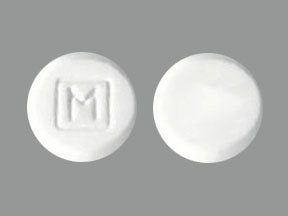
Diphenoxylate-Atropine
Diphenoxylate-Atropine 2.5-0.025MG
What is Diphenoxylate-Atropine?
Lomotil is an antidiarrheal medication that is used to relieve the symptoms of diarrhea. Atropine-diphenoxylate is the generic version of Lomotil. The average Lomotil price is about $303 for a supply of 100, 0.025 mg-2.5 mg oral tablets. An easy way to save on Lomotil is to use Singlecare’s free coupon card at any U.S participating pharmacy.Side Effects
- Blue lips, fingernails, or skin, trouble breathing
- Change in how much or how often you urinate
- Confusion, drowsiness, anxiety, changes in mood or behavior, shaky hands, problems with speech
Warnings
- Tell your doctor if you are pregnant or breastfeeding, or if you have liver disease, kidney disease, stomach or bowel disease (including ulcerative colitis), or Down syndrome.
- This medicine may cause the following problems:Respiratory depression (severe breathing problem)Serious stomach or bowel problems (including toxic megacolon)Liver problems
- This medicine may make you dizzy or drowsy. Do not drive or do anything else that could be dangerous until you know how this medicine affects you.
- This medicine can be habit-forming. Do not use more than your prescribed dose. Call your doctor if you think your medicine is not working.
- Call your doctor if your symptoms do not improve or if they get worse.
Prescription savings · · · ·
What is Diphenoxylate-Atropine ?
Lomotil is an antidiarrheal medication that is used to relieve the symptoms of diarrhea. Atropine-diphenoxylate is the generic version of Lomotil. The average Lomotil price is about $303 for a supply of 100, 0.025 mg-2.5 mg oral tablets. An easy way to save on Lomotil is to use Singlecare’s free coupon card at any U.S participating pharmacy.- Blue lips, fingernails, or skin, trouble breathing
- Change in how much or how often you urinate
- Confusion, drowsiness, anxiety, changes in mood or behavior, shaky hands, problems with speech
- Extreme dizziness or weakness, shallow breathing, slow heartbeat, seizures, cold, clammy skin
- Fast or uneven heartbeat
- Severe constipation with bloating, red or black stools
- Tell your doctor if you are pregnant or breastfeeding, or if you have liver disease, kidney disease, stomach or bowel disease (including ulcerative colitis), or Down syndrome.
- This medicine may cause the following problems:Respiratory depression (severe breathing problem)Serious stomach or bowel problems (including toxic megacolon)Liver problems
- This medicine may make you dizzy or drowsy. Do not drive or do anything else that could be dangerous until you know how this medicine affects you.
- This medicine can be habit-forming. Do not use more than your prescribed dose. Call your doctor if you think your medicine is not working.
- Call your doctor if your symptoms do not improve or if they get worse.
- Keep all medicine out of the reach of children. Never share your medicine with anyone.
- Your doctor will check your progress and the effects of this medicine at regular visits. Keep all appointments.
Diphenoxylate-Atropine Coupons & Prices
Diphenoxylate-Atropine 2.5-0.025MG
4 ED medications in one dose
Sildenafil, tadalafil, apomorphine & L-Citrulline · Works in ~15 min · Lasts up to 36 hours
Diphenoxylate-Atropine prices by dosage
Lowest cash price with a free Rx.com coupon vs. the average retail price.
| Dosage | Quantity | Retail price | Rx.com price |
|---|---|---|---|
| 2.5-0.025mg · Tablet | 30 | $35.99 | $14.74 |
Cash prices near ZIP 77433; updated regularly. Actual pharmacy price may vary.
Diphenoxylate-atropine (brand names Lomotil, Lonox, and Lomanate) is a generic antidiarrheal combination, so if you're comparing a diphenoxylate-atropine coupon against pharmacy cash prices, the real savings lever is usually which pharmacy you use, not which coupon you use — prices for this generic can vary widely from one pharmacy to the next. Rx.com compares pricing across 60,000+ U.S. pharmacies so you can enter your ZIP above and see today's price near you before you fill.
What is diphenoxylate-atropine and how does it work?
Diphenoxylate-atropine combines two ingredients with different jobs. Diphenoxylate is chemically related to the opioid meperidine and works on opioid receptors in the gut to slow down intestinal movement, which reduces diarrhea. Atropine is added in a low, subtherapeutic dose specifically to discourage people from taking more than the recommended amount — at higher doses it causes unpleasant anticholinergic effects. It's FDA-approved as an adjunctive therapy for diarrhea in patients 13 and older, meaning it's meant to be used alongside fluid and electrolyte replacement, not as a stand-alone first-line treatment.
Diphenoxylate-atropine cost without insurance
Diphenoxylate-atropine is available as a generic, and generics for this combination are generally accessible, but the exact cash price still depends heavily on which pharmacy you walk into — chain and independent pharmacies price the same generic very differently. Rather than assuming any single coupon or pharmacy has the lowest price, it's worth comparing before you fill. Enter your ZIP code above to see today's price at pharmacies near you, side by side.
Diphenoxylate-atropine vs. other diarrhea options
Diphenoxylate-atropine is a prescription-only, Schedule V controlled combination, which sets it apart from over-the-counter options. Loperamide (the active ingredient in Imodium) is an OTC antidiarrheal that works on gut opioid receptors similarly but is not a controlled substance and doesn't include an anticholinergic component. Bismuth subsalicylate (Pepto-Bismol) is another OTC option some people use for diarrhea and upset stomach. If nausea is part of the picture, ondansetron is a separate prescription option for that symptom specifically. Your provider or pharmacist can help you weigh which option fits your situation — this isn't a recommendation to switch on your own.
Safety information
Diphenoxylate-atropine carries a boxed warning: it is contraindicated in children under 6 years old, because severe respiratory depression and coma leading to permanent brain damage or death have occurred in this age group. Toxicity can also be delayed, so anyone who takes too much needs extended monitoring even if symptoms initially seem absent. Because diphenoxylate is chemically related to meperidine, the combination is a Schedule V controlled substance with some potential for abuse or dependence. The atropine component can cause dry mouth, blurred vision, or urinary retention. It should not be used in obstructive jaundice, and it's used cautiously in ulcerative colitis (risk of toxic megacolon) or liver impairment. This is general information, not medical advice — talk to your doctor or pharmacist about whether it's right for you.
This Diphenoxylate-Atropine information was written and reviewed against authoritative U.S. medical sources — MedlinePlus (U.S. National Library of Medicine), DailyMed, and FDA prescribing information — and checked for accuracy. It is provided for education and is not a substitute for professional medical advice.
Verify the official label: Diphenoxylate-Atropine on DailyMed (FDA)
Reviewed against FDA labeling · Last reviewed July 2026
Related Drugs
Browse more medications: starting with D · full A-Z directory · by condition · common drugs
Medical disclaimer: This information is provided for general educational purposes only and is not medical advice. It is not a substitute for professional diagnosis or treatment. Always consult a licensed physician, pharmacist, or other qualified healthcare provider before starting, stopping, or changing any medication or treatment. Never disregard professional medical advice or delay seeking it because of something you read here. If you think you may have a medical emergency, call your doctor or 911 immediately.


