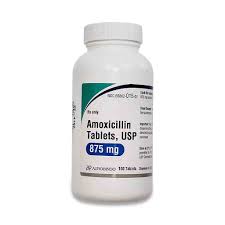
Amoxicillin Trihydrate
Amoxicillin Trihydrate 10000GM of
¿Qué es Amoxicillin Trihydrate?
El trihidrato de amoxicilina es un antibiótico de amplio espectro perteneciente a la clase de las penicilinas y a los beta-lactámicos. Se utiliza comúnmente para tratar una variedad de infecciones bacterianas, incluyendo neumonía, bronquitis e infecciones del oído, nariz, garganta, piel y tracto urinario. Este medicamento actúa inhibiendo la síntesis de las paredes celulares bacterianas, matando efectivamente las bacterias.Side Effects
- Nausea
- Diarrhea
- Vomiting
Warnings
- Do not use if allergic to penicillin or cephalosporin antibiotics.
- Prolonged use may result in fungal or bacterial superinfection, including Clostridioides difficile-associated diarrhea.
- Use caution if you have renal (kidney) impairment or are taking other nephrotoxic drugs.
- May decrease the effectiveness of oral contraceptives.
Prescription savings · ·
¿Qué es Amoxicillin Trihydrate ?
El trihidrato de amoxicilina es un antibiótico de amplio espectro perteneciente a la clase de las penicilinas y a los beta-lactámicos. Se utiliza comúnmente para tratar una variedad de infecciones bacterianas, incluyendo neumonía, bronquitis e infecciones del oído, nariz, garganta, piel y tracto urinario. Este medicamento actúa inhibiendo la síntesis de las paredes celulares bacterianas, matando efectivamente las bacterias.Amoxicillin Trihydrate Cupones y Precios - Rx.com
Amoxicillin Trihydrate 10000GM of
Weight-loss medication, prescribed online
Licensed U.S. providers · No insurance needed · Shipped to your door
Amoxicillin Trihydrate prices by dosage
Lowest cash price with a free Rx.com coupon vs. the average retail price.
| Dosis | Cantidad | Retail price | Rx.com price |
|---|---|---|---|
| 10000gm of powder · Bottle Of Powder | 500 | $804.19 | $539.84 |
| 25000gm of powder · Bottle Of Powder | 1 | $11.99 | $7.83 |
Cash prices near ZIP 77433; updated regularly. Actual pharmacy price may vary.
Usa un cupón de amoxicilina trihidratada de Rx.com para comparar precios en efectivo en más de 60,000 farmacias antes de surtir tu receta. La amoxicilina trihidratada es la forma genérica de un antibiótico de la clase de las penicilinas de uso muy extendido, y lo que pagas por ella puede variar bastante de una farmacia a otra, incluso entre dos tiendas de la misma calle. Como casi toda la amoxicilina oral que se vende hoy en Estados Unidos es genérica, no hay un cupón de marca que buscar ni una tarjeta de ahorro del fabricante para este medicamento. Ingresa tu código postal arriba para ver el precio de hoy cerca de ti y luego lleva el cupón gratis al mostrador de la farmacia.
¿Qué es la amoxicilina trihidratada y cómo funciona?
La amoxicilina trihidratada es una aminopenicilina, un antibiótico betalactámico de la clase de las penicilinas y un análogo semisintético de la ampicilina. Es bactericida, es decir, mata las bacterias susceptibles en lugar de simplemente frenarlas, al interferir con la capacidad de la bacteria de formar una pared celular funcional. Está aprobada por la FDA para infecciones causadas por bacterias susceptibles, incluidas infecciones de las vías respiratorias superiores del oído, la nariz y la garganta; infecciones de las vías respiratorias inferiores; infecciones de las vías genitourinarias; infecciones de la piel y de las estructuras cutáneas; y, en adultos, la infección por Helicobacter pylori y la enfermedad de úlcera duodenal cuando se combina con un inhibidor de la bomba de protones o con claritromicina, o con ambos.
La amoxicilina no funciona contra los resfriados, la influenza ni otras infecciones virales. Recetar un antibiótico cuando no hay una infección bacteriana comprobada o fuertemente sospechada impulsa la resistencia a los antibióticos, y por eso quien te receta es quien decide si es la opción correcta. El mercado de amoxicilina oral en Estados Unidos hoy es esencialmente todo genérico. La amoxicilina también es un componente de algunos productos combinados, incluidos Talicia, Voquezna Dual Pak y Voquezna Triple Pak.
Cuánto cuesta la amoxicilina trihidratada sin seguro
La amoxicilina trihidratada es un medicamento genérico, así que no hay tarjeta de ahorro del fabricante ni programa de marca en el cual inscribirse. Eso no significa que todas las farmacias cobren lo mismo. Los precios en efectivo para la misma concentración y cantidad varían mucho según la farmacia y el código postal, y la diferencia entre el precio más alto y el más bajo en un mismo pueblo puede ser mayor de lo que la gente espera. Esa es toda la razón por la que vale la pena comparar antes de surtir, y solo toma dos minutos.
Rx.com compara precios en efectivo en más de 60,000 farmacias, incluidas grandes cadenas y farmacias independientes. Ingresa tu código postal arriba para ver el precio de hoy cerca de ti e imprime, envía por mensaje de texto o muestra el cupón gratis en el mostrador. Si tienes seguro, de todos modos vale la pena revisar de las dos maneras: a veces el precio con cupón en efectivo le gana al copago, y a veces no. Pídele al farmacéutico el que sea más bajo. Un cupón no es un seguro y no puedes combinarlo con el beneficio de tu seguro en el mismo surtido.
Amoxicilina trihidratada frente a antibióticos relacionados
Cuál antibiótico es el adecuado depende de la infección, de tu historial de alergias y de los patrones locales de resistencia, así que esta es una decisión de quien te receta y no un menú para elegir. Dicho eso, estos son los medicamentos que la gente suele comparar o sobre los que suele preguntar:
- La amoxicilina es el mismo principio activo; la amoxicilina trihidratada es simplemente la forma hidratada de la amoxicilina que se usa en la mayoría de los productos orales.
- Augmentin y su genérico, amoxicilina y clavulanato de potasio, agregan clavulanato para ayudar a que la amoxicilina funcione contra ciertas bacterias que de otro modo la degradarían.
- La penicilina V potásica es otra opción de la clase de las penicilinas con un espectro más estrecho.
- La cefalexina es una cefalosporina. Ten en cuenta que las personas alérgicas a las penicilinas a veces pueden reaccionar también a las cefalosporinas.
- La azitromicina y la doxiciclina son de clases diferentes y con frecuencia se consideran cuando una penicilina no es apropiada.
Los precios de cada uno de estos también varían según la farmacia, así que si quien te receta te da a elegir, es válido preguntar cuáles opciones son razonables y luego comparar los precios de cada una.
Información de seguridad que debes conocer
La amoxicilina no tiene advertencia en recuadro. Está contraindicada en cualquier persona con antecedentes de una reacción alérgica grave a cualquier penicilina. Se han presentado reacciones de hipersensibilidad y anafilácticas graves y en ocasiones mortales, y es posible la reactividad cruzada en personas alérgicas a las cefalosporinas. Busca ayuda de emergencia si tienes dificultad para respirar, hinchazón de la cara o la garganta, o una erupción grave o que se extiende. La diarrea asociada a Clostridioides difficile y la colitis pseudomembranosa pueden ocurrir durante o después del tratamiento, así que informa a tu proveedor de salud sobre cualquier diarrea grave o persistente. Las reacciones cutáneas van desde una erupción maculopapular común hasta reacciones graves que incluyen el síndrome de Stevens-Johnson, la necrólisis epidérmica tóxica, el DRESS y la pustulosis exantemática generalizada aguda. La ficha técnica señala que un alto porcentaje de pacientes con mononucleosis que reciben amoxicilina desarrolla una erupción cutánea eritematosa, y que la amoxicilina no debe administrarse a pacientes con mononucleosis. También se han reportado disfunción hepática con ictericia colestásica y nefritis intersticial.
Según la ficha técnica, la amoxicilina puede afectar la flora intestinal, lo que provoca una menor reabsorción de estrógeno y una menor eficacia de los anticonceptivos orales combinados de estrógeno y progesterona. También interactúa con probenecid, alopurinol (mayor riesgo de erupción), metotrexato y warfarina (aumento del INR). Se necesita una reducción de la dosis en caso de insuficiencia renal grave. Los efectos secundarios comunes incluyen náuseas, vómitos, diarrea y decoloración reversible de los dientes, principalmente con la suspensión líquida en niños. Toma el tratamiento completo exactamente como te lo recetaron, incluso si te sientes mejor antes de terminarlo. Esta página contiene información general, no consejo médico. Habla con tu médico o farmacéutico sobre tu propia salud, tus alergias y tus otros medicamentos.
La información sobre Amoxicillin Trihydrate fue redactada y revisada con base en fuentes médicas autorizadas de EE. UU. (MedlinePlus, de la Biblioteca Nacional de Medicina de EE. UU.; DailyMed; y la información de prescripción de la FDA) y verificada para asegurar su precisión. Se ofrece con fines educativos y no sustituye el consejo médico profesional.
Consulte la etiqueta oficial: Amoxicillin Trihydrate en DailyMed (FDA)
Revisado con base en el etiquetado de la FDA · Última revisión: julio de 2026
Amoxicillin Trihydrate — Articles & Guides
3 articles

Medicamentos Relacionados
Browse more medications: starting with A · full A-Z directory · by condition · common drugs
Medical disclaimer: This information is provided for general educational purposes only and is not medical advice. It is not a substitute for professional diagnosis or treatment. Always consult a licensed physician, pharmacist, or other qualified healthcare provider before starting, stopping, or changing any medication or treatment. Never disregard professional medical advice or delay seeking it because of something you read here. If you think you may have a medical emergency, call your doctor or 911 immediately.


